Featured

Discovering Your Past: Why I Built This Journey and What You’ll Gain

Have you ever wondered who you are, where you come from, or what stories live quietly in your family’s past? I’ve asked myself those same questions, and they’ve led me down an incredible journey of discovery. That journey is the reason I built darrellgibbs-author.com—a place where I can share what I’ve learned, the mistakes I’ve made, and the tools that can help you uncover your own story.

I want to take a few minutes here to explain what you’ll gain when you visit my site, and why “Discovering Your Past” is so much more than a hobby—it’s a connection to identity, belonging, and legacy.

Why I Started This Path

For those who may not know me yet, I spent 29 years in the Canadian Armed Forces before my curiosity about genealogy and family history grew into something much bigger. What began as a personal project—piecing together the lives of those who came before me—turned into a passion for helping others do the same.

I’ve written several genealogy resource eBooks, including:

22 Steps in Researching Your Family Tree,

38 Family Tree Research Resources (For Canadians), and

New Leaves (A Worldwide Resource with Over 1500 Links).

These came out of countless hours of research, trial and error, and the joy of discovery. On my site, I share the same lessons so you don’t have to start from scratch the way I once did.

What You’ll Learn from My Site

When you dive into darrellgibbs-author.com, here’s what I’ll walk you through:

Getting Started the Right Way

I know how overwhelming genealogy can feel at first. That’s why I put together my 22 Steps guide. It gives you a roadmap so you’ll know where to begin, what records to look for, and how to keep everything organized as you go.

Choosing the Right Tools & Software

When I started, I wasted time with tools that didn’t really fit my needs. Now, I share honest breakdowns of genealogy software so you can decide what works best for you—whether you want something simple, or a program with more advanced features.

Finding and Using Vital Records

Birth certificates, church records, census data, immigration papers—these are the lifeblood of family history. On my site, I guide you through where to find them, how to read them, and how to piece them together into a fuller picture of your ancestors’ lives.

Balancing Free and Paid Resources

Let’s be honest—genealogy can get expensive. I highlight the free resources that give you the most bang for your buck, and I’ll also tell you when it might be worth investing in a paid option. This way you save both money and frustration.

Keeping Your Research Organized

Over the years I’ve learned that little habits—like keeping proper logs, using consistent naming systems, and backing up your files—make a huge difference. I share the systems I use so you won’t get lost in a sea of names and dates.

Staying Motivated

Researching family history can be emotional—sometimes exciting, sometimes frustrating. I share the highs and lows of my own journey so you’ll know you’re not alone. Genealogy is about more than facts; it’s about stories and connection.

Sharing and Preserving What You Discover

What good is all this research if it just sits in a folder? I’ll show you ways to share your findings—whether it’s through ebooks, printed family histories, or digital family trees—so your family’s story lives on for generations.

The Benefits You’ll Gain

So, what’s in it for you if you take this journey with me? Here are some of the rewards I’ve seen—not just in my own work, but in the lives of people I’ve helped:

A Stronger Connection to Who You Are

When you know your family’s story, you understand yourself more deeply. It’s grounding, and in many cases, healing.

Closer Family Bonds

Sharing discoveries sparks conversations across generations. I’ve seen parents, kids, and grandparents come together around stories they never knew.

A Lasting Legacy

Your research ensures that future generations won’t lose touch with their past. They’ll have a record, a story, a legacy.

New Skills You Can Use Anywhere

Genealogy teaches you to research carefully, analyze evidence, and organize information. Those are skills that reach far beyond family history.

Joy and Wonder

There’s nothing like uncovering a long-lost ancestor or discovering how history shaped your family. Every piece of information adds a new layer to your own story.

How to Get the Most Out of My Site

If you’re ready to start, here’s how I suggest diving in:

Download one of my guides or ebooks. They’ll give you structure and direction from day one.

Read through the blog posts. Pick the topics that match where you are right now—whether that’s choosing software or digging into records.

Keep notes on your journey. A research log is your best friend. Be patient. Some discoveries take time. Every little piece is progress.

For me, discovering my past has been more than a hobby—it’s been a way of making sense of my own life, of honoring those who came before, and of giving something meaningful to those who will come after.

Why This Matters to Me

That’s what I want for you too. I built darrellgibbs-author.com so you don’t have to feel lost or alone in this process. You’ll find guides, tools, resources, and encouragement all in one place.

Final Thoughts

If you’ve ever had the urge to dig into your family’s story—or even if you’re just a little curious—this is the perfect time to start. Take a look at the resources on my site. Download a guide. Begin with the names you already know and the questions you’ve always wanted to ask.

Because when you discover your past, you’re not just learning about history—you’re uncovering a part of yourself.

Featured

Website’s Poem

Discovering Your Past

With every record uncovered,

A new chapter is revealed,

Of the lives and loves of ancestors,

Whose stories were long concealed.

Through old letters and photographs,

We glimpse a world that’s gone,

Of hard work, love, and sacrifice,

From dusk until the dawn.

Each discovery a mystery,

To be unraveled one by one,

As we piece together fragments,

Of a life that’s now long gone.

Our family tree a map,

Of the paths that they once tread,

Each leaf a different story,

Of the lives they had lead.

We connect with distant relatives,

And forge new bonds through time,

As we share the common legacy,

Of a family tree sublime.

For in the roots we find our strength,

And in the branches, our kin,

As we discover the stories,

Of those who came before us and within.

The journey is not always easy,

But it’s one that’s worth the cost,

For there’s something magical and true,

In discovering your past.

So let us search and seek,

And never lose our zeal,

For in each new discovery,

Is a piece of our family’s real truth.

And may we honor our ancestors,

In all that we say and do,

For the past has much to teach us,

And there’s always more to pursue.

Darrell Gibbs, ’22 Steps In Researching Your Family Tree’ – Discovering Your Past

Featured

History of Family Surnames

Surnames, or family names, are a fundamental part of our identities today, but they are a relatively recent development in the span of human history. Understanding the origins and evolution of surnames provides fascinating insights into social structures, migration patterns, and cultural practices.

Early Identification: Pre-Surname Era

Before the advent of surnames, individuals were often identified by a single given name. In small communities, this was usually sufficient. However, as populations grew and societies became more complex, the need for additional identifiers became apparent. People began to use descriptive terms or epithets to differentiate between individuals with the same given name.

The Emergence of Surnames

The use of surnames began at different times across the world, influenced by varying social, economic, and cultural factors. Here are some key developments in different regions:

China

China boasts one of the earliest and most sophisticated systems of surnames. As early as the Xia Dynasty (2070–1600 BCE), Chinese surnames were being used, primarily by the nobility. By the time of the Han Dynasty (206 BCE–220 CE), the practice had extended to the general populace. Chinese surnames often reflect ancestry, geographical origins, or occupation, and they have been meticulously recorded in family genealogies for centuries.

Europe

In Europe, the adoption of surnames was more gradual and region-specific. The process generally began around the 11th century and was largely complete by the 16th century. Several factors contributed to this development:

1. Feudalism: The feudal system required precise identification of individuals for legal and administrative purposes.

2. Trade and Travel: As commerce expanded, there was a growing need to distinguish between people with the same first names.

3. Inheritance: Surnames helped in the orderly transfer of property and titles.

4. Population Growth: With the increase in population, simple given names were insufficient for unique identification.

In England, the Norman Conquest of 1066 played a significant role in the spread of surnames. Norman nobles brought the practice of using surnames with them, and it gradually filtered down to the rest of the population. By the 14th century, surnames had become commonplace among the English.

In other parts of Europe, such as Italy and Spain, the use of surnames was also influenced by the need to denote family lineage, particularly among the nobility. In Scandinavia, surnames often derived from patronyms (names based on the father’s given name), a practice that continued well into the modern era.

The Islamic World

In the Islamic world, the use of surnames or family names was not as widespread historically. Instead, individuals were often identified by their given name, followed by a patronymic (based on the father’s name) and sometimes additional descriptors such as their place of origin, profession, or tribal affiliation.

Types of Surnames

Surnames generally fall into several categories based on their origins:

1. Patronymic/Matronymic: Derived from the given name of a father or mother (e.g., Johnson, meaning “son of John”).

2. Occupational: Based on the individual’s job or profession (e.g., Smith, Baker).

3. Toponymic: Based on the individual’s place of origin or residence (e.g., Hill, York).

4. Descriptive/Nickname: Based on a physical characteristic or personality trait (e.g., Brown, Swift).

The Spread of Surnames

As European nations expanded through exploration, colonization, and trade, their naming conventions spread across the globe. This led to the adoption and adaptation of surnames in many cultures. In some cases, indigenous naming systems were replaced or merged with European practices, leading to the diverse array of surnames we see today.

Modern Significance

Today, surnames serve as a key link to our ancestry, offering clues about our heritage and familial connections. Genealogists and historians often rely on surname records to trace family histories and understand migratory patterns.

Discovering the Meaning of Your Surname: Where to Look

Uncovering the history and meaning of your surname can be an exciting journey into your family’s past. Here are some valuable resources and methods to help you delve deeper:

1. Online Genealogy Databases

Numerous websites specialize in genealogy research and offer extensive databases of surnames, including their meanings, origins, and historical context. Some popular options include:

– Ancestry.com: Offers detailed records and family trees that can provide insights into the origins and meanings of surnames.

– FamilySearch.org: A free service provided by The Church of Jesus Christ of Latter-day Saints, which includes vast genealogical records and surname meanings.

– MyHeritage.com: Another comprehensive platform for tracing family history and understanding surname origins.

2. Surname Dictionaries and Books

There are many published works dedicated to the study of surnames. These can be found in libraries, bookstores, or online. Some recommended books include:

– “The Oxford Dictionary of Family Names in Britain and Ireland” – by Patrick Hanks, Richard Coates, and Peter McClure.

– “A Dictionary of Surnames” by Mark Antony Lower.

– “The Penguin Dictionary of Surnames” by Basil Cottle.

3. Local Historical and Genealogical Societies

Many regions have historical and genealogical societies that maintain records and can assist in tracing the origins of local surnames. These organizations often have access to archives, old newspapers, and other documents that are not available online.

4. National Archives and Government Records

Government archives often hold valuable genealogical records, including censuses, birth, marriage, and death certificates, which can provide information about surname usage and changes over time. Websites like the National Archives (UK) or the National Archives and Records Administration (US) can be useful starting points.

5. DNA Testing and Genetic Genealogy

DNA testing services such as 23andMe, AncestryDNA, and MyHeritage DNA can provide information about your ethnic background and connect you with potential relatives. These services sometimes offer insights into surname origins based on genetic matches and historical records.

6. Online Communities and Forums

Engaging with online communities and forums dedicated to genealogy can be invaluable. Websites like Reddit (r/genealogy), genealogy blogs, and specialized forums often have knowledgeable members who can offer guidance and share resources related to surname research.

7. Historical and Cultural Studies

Understanding the historical and cultural context of your surname’s country or region of origin can provide additional insights. Researching the history, migration patterns, and linguistic practices of a particular area can help explain the development and meaning of surnames.

The quest to uncover the meaning and history of your surname can be a rewarding endeavor, connecting you to your heritage and giving you a deeper appreciation of your family’s story. Whether you explore online databases, delve into books, consult local societies, or use modern genetic tools, there are numerous resources available to help you on this fascinating journey.

The history of surnames is a testament to the evolving nature of human societies. From their earliest origins to their modern-day significance, surnames reflect our shared need for identity, order, and connection. Whether you’re a Smith, a Zhang, or a García, your surname is a link to the past and a part of the rich tapestry of human history.

Additional Online Resources for Researching Surnames

1. Ancestry.com

https://www.ancestry.com

– Description: Offers extensive databases, including census records, immigration records, and family trees, which can help trace surname origins and family histories.

2. FamilySearch.org

https://www.familysearch.org

– Description: A free service provided by The Church of Jesus Christ of Latter-day Saints, with access to a vast collection of genealogical records and surname information.

3. MyHeritage.com

https://www.myheritage.com

Description: Provides tools for building family trees, DNA testing services, and access to global genealogical records and historical documents.

4. The Oxford Dictionary of Family Names in Britain and Ireland

https://global.oup.com/academic/product/the-oxford-dictionary-of-family-names-in-britain-and-ireland-9780199679671

– Description: A comprehensive resource for understanding British and Irish surnames, their meanings, and historical contexts.

5. House of Names

https://www.houseofnames.com

– Description: Specializes in surname histories, coat of arms, and family crests, offering detailed information and personalized family name products.

6. SurnameDB

http://www.surnamedb.com

– Description: A free online database providing detailed information on surnames, including their meanings, origins, and geographical distribution.

7. Family History Library Catalog

https://www.familysearch.org/library

– Description: Provides access to an extensive collection of genealogical resources, including books, microfilms, and digital records related to surnames and family history.

8. National Archives (UK)

https://www.nationalarchives.gov.uk

– Description: Offers access to a wealth of historical records, including census data, birth, marriage, and death records that can help trace surname origins in the UK.

9. National Archives and Records Administration (NARA)

https://www.archives.gov

– Description: The U.S. government’s archives site, providing access to a variety of records, including immigration records, military service files, and census records.

10. Reddit Genealogy Community

https://www.reddit.com/r/genealogy

– Description: A supportive online community where users discuss genealogy research, share tips, and offer assistance with surname research.

These resources should provide a solid starting point for anyone interested in delving into the history and meaning of their surname. Happy researching!

Featured

A Guide to Creating Family Group Sheets in Genealogy

Tracing your family history is like embarking on an extraordinary adventure. As you delve into records, stories, and photographs, you weave together the tapestry of your lineage. One crucial tool in this genealogical quest is the family group sheet. Despite being sometimes overlooked, these sheets are invaluable for organizing and understanding your family’s past. Here’s why creating family group sheets should be a priority in your genealogy research.

What is a Family Group Sheet?

A family group sheet is a document that details the members of a family unit, usually comprising parents and their children. It includes vital information such as birth, marriage, and death dates, along with places and sometimes even additional notes about occupations, migration, or significant life events. Essentially, it is a snapshot of a family at a particular point in time, providing a structured way to capture and analyze family data.

The Benefits of Family Group Sheets

1. Organization and Clarity

Genealogical research can quickly become overwhelming with the sheer volume of information available. Family group sheets help you organize this data in a clear and concise manner. By having all pertinent details of a family unit on one sheet, you avoid the chaos of scattered notes and fragmented records, making your research more manageable and coherent.

2. Identifying Gaps and Errors

When you consolidate information into a family group sheet, inconsistencies and gaps become more apparent. Perhaps there’s a missing birth record or a discrepancy in marriage dates. Spotting these issues early allows you to refine your research strategy, ensuring a more accurate family history.

3. Facilitating Collaboration

Genealogy is often a collaborative effort. Sharing your findings with family members or other researchers is much easier with well-organized family group sheets. They provide a clear and professional way to present your data, fostering productive discussions and further discoveries.

4. Preserving Family History

Family group sheets serve as a permanent record of your research. Even if technology changes or digital files are lost, a printed family group sheet remains a tangible piece of your genealogical work. This ensures that future generations have access to the information and can continue the research.

5. Connecting the Dots

Genealogy is about connecting the dots between various family members and generations. Family group sheets help you visualize these connections, making it easier to trace lineage and understand relationships. This holistic view is crucial for uncovering patterns, migrations, and stories that define your family’s history.

How to Create a Family Group Sheet

Creating a family group sheet is straightforward. Start with a template, many of which are available online, or create your own. Here’s what to include:

– Parents: Full names, birth, marriage, and death dates, along with places.

– Children: Full names, birth, marriage, and death dates, along with places.

Additional Notes: Occupations, migration details, military service, or significant life events.

Sources: Document where you found the information to ensure credibility and allow for future verification.

Where To Get Family Group Sheets

You can find family group sheet templates from various reputable genealogical websites and organizations.

Here are some excellent sources:

1. Ancestry.com: They offer printable family group sheets as part of their suite of genealogical tools. You can access them through their resource center (https://www.ancestry.com/cs/forms).

2. FamilySearch: The FamilySearch website, operated by the Church of Jesus Christ of Latter-day Saints, provides free downloadable family group sheet templates. Visit FamilySearch (https://www.familysearch.org/wiki/en/Genealogy_Forms).

3. National Genealogical Society (NGS): The NGS offers free resources, including family group sheets, which you can download from their website. Check out their forms page (https://www.ngsgenealogy.org/free-resources/chart-forms/).

4. Cyndi’s List: This comprehensive genealogy website lists various resources, including links to downloadable family group sheets. Explore their forms section (https://www.cyndislist.com/free-stuff/printable-charts-and-forms/).

5. Genealogy.com: They have printable forms, including family group sheets, which are available for free. Visit Genealogy.com (https://www.genealogy.com/print/).

6. MyHeritage: MyHeritage offers tools and resources, including family group sheets, as part of their subscription service. Learn more on their website (https://www.myheritage.com/research/catalog/category-forms).

7. RootsWeb: This community-driven site, supported by Ancestry.com, provides templates and other genealogical resources. Check out their forms section (http://www.rootsweb.ancestry.com/~rwguide/lesson8.htm).

8. OnlineGenealogy.com: Offers various genealogy forms, including family group sheets, for free download. Access their genealogy forms (https://www.onlinegenealogy.com/genealogy-forms/).

These resources can help you get started with organizing your family history efficiently.

Printing a Family Group Sheet on Popular Online Genealogy Websites

Organizing your genealogy research with family group sheets is made easier with the help of popular online genealogy websites. Websites like Ancestry and MyHeritage offer user-friendly tools for creating and printing family group sheets. Here’s how you can do it on these platforms:

Ancestry

Ancestry.com is one of the most widely used genealogy websites, offering a variety of tools to help you trace your family history. Here’s a step-by-step guide to printing a family group sheet on Ancestry:

1. Log in to Your Account: Sign in to your Ancestry account. If you don’t have one, you’ll need to create an account and start building your family tree.

2. Navigate to Your Tree: Go to the “Trees” section and select the family tree you want to work on.

3. Select a Family Member: Click on a family member’s name to open their profile page.

4. Family Group Sheet: Look for the option to create or print a family group sheet. This is usually found under the “Print” or “Tools” menu on the profile page.

5. Customize and Print: Customize the information you want to include in the family group sheet. Once you’re satisfied with the details, you can print the sheet directly from your browser.

For more information and templates, visit Ancestry’s resource centre (https://www.ancestry.com/cs/forms).

MyHeritage

MyHeritage is another leading genealogy platform that provides tools for creating and printing family group sheets. Here’s how you can do it on MyHeritage:

1. Log in to Your Account: Sign in to your MyHeritage account. If you’re new to the site, you’ll need to sign up and start your family tree.

2. Access Your Family Tree: Click on the “Family Tree” tab to access your family tree.

3. Select a Family Member: Choose a family member whose family group sheet you want to create.

4. Family Group Sheet Tool: Look for the option to create a family group sheet. This option is typically found in the “Print” menu or under the “More” options in the family member’s profile.

5. Customize and Print: You can customize the details you want to include in the family group sheet. Once everything is set, print the sheet directly from the platform.

For more details and resources, visit MyHeritage’s forms page (https://www.myheritage.com/research/catalog/category-forms).

Tips for Printing Family Group Sheets

Check Printer Settings: Ensure your printer settings are configured for the best quality print, especially if you plan to keep these sheets as part of your permanent records.

Use High-Quality Paper: For long-term preservation, use acid-free, high-quality paper to print your family group sheets.

Store Safely: Keep printed family group sheets in a safe, dry place, preferably in a binder or folder designed for archival storage.

By utilizing the tools provided by Ancestry and MyHeritage, you can efficiently create and print family group sheets, making your genealogical research more organized and accessible.

Conclusion

In the world of genealogy, organization is key. Family group sheets are an indispensable tool that brings order, clarity, and depth to your research. By investing time in creating these sheets, you enhance your ability to tell your family’s story accurately and comprehensively. So, embark on this aspect of your genealogical journey today, and watch as the rich tapestry of your family history unfolds with newfound clarity.

About the Author

Darrell is a passionate genealogist with 20 years of experience in tracing family histories. Through meticulous research and a love for storytelling, Darrell helps individuals connect with their roots and preserve their heritage for future generations.

By following these tips, the guide and the understanding of the importance of family group sheets, you’ll be better equipped to delve deeper into your genealogical research and uncover the rich stories that make up your family’s past.

Featured

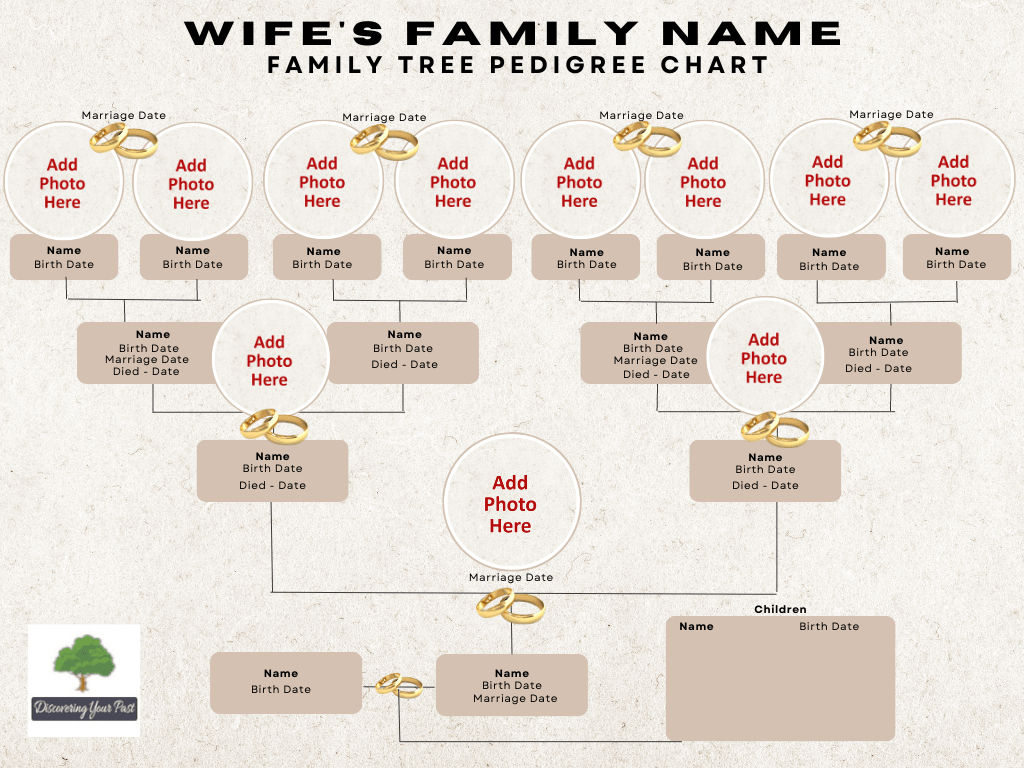
5 Generation Pedigree Chart

How To Use a 5 Generation Pedigree Chart

Filling in a 5-generation pedigree chart involves tracking your ancestry back through five generations, typically including yourself, your parents, grandparents, great-grandparents, and great-great-grandparents. Here’s a step-by-step guide on how to use and fill in a 5-generation pedigree chart:

Obtain a Pedigree Chart Template: You can find these online or create one yourself. A 5-generation chart will have five levels, with spaces for names, birthdates, and other relevant information.

1. Start with Yourself:

  • Write your name in the first box at the bottom or center of the chart. Include your birth date and any other pertinent details.

2. Add Your Parents:

  • Write your father’s name in the box above yours on one side. Include his birth date, place of birth, and any other details.
  • Write your mother’s name in the box next to your father’s. Include her birth date, place of birth, and other details.

3. Add Your Grandparents:

  • For each of your parents, add their parents’ names in the boxes above them.
  • Include birth dates, places of birth, marriage dates, and other relevant information.

4. Add Your Great-Grandparents:

  • For each of your grandparents, add their parents’ names.
  • Fill in birth dates, places of birth, marriage dates, and other details.

5. Add Your Great-Great-Grandparents:

  • For each of your great-grandparents, add their parents’ names.
  • Complete the chart with birth dates, places of birth, marriage dates, and other pertinent information.

Research and Verify Information:

  • Use family records, birth certificates, marriage certificates, census records, and other documents to gather accurate information.
  • Talk to relatives who might have additional details or stories.

Keep It Organized:

  • Ensure that each generation is clearly separated and labeled.
  • Use consistent formatting for names, dates, and places to make the chart easy to read.

Update Regularly:

  • As you discover new information or verify existing details, update your pedigree chart.

Share with Family:

  • Share your completed pedigree chart with family members to preserve family history and encourage collaboration in gathering more information.

By carefully filling in each section and verifying your information, you’ll create a comprehensive and valuable family history record.

A Quick Guide
1. Generation I: Yourself – Male symbol: Square – Female symbol: Circle – Start with yourself as the “proband” or “reference person.” – Write your name, date of birth, and sex in the appropriate box.

2. Generation II: Parents – Draw lines connecting you to your parents. – Write their names, dates of birth, and sexes in the boxes representing them.

3. Generation III: Grandparents – Draw lines connecting your parents to their parents (your grandparents). – Write their names, dates of birth, and sexes in the boxes representing them. – If any of your grandparents are deceased, indicate this with a diagonal line through their box.

4. Generation IV: Great-Grandparents – Draw lines connecting your grandparents to their parents (your great-grandparents). – Write their names, dates of birth, and sexes in the boxes representing them. – If any of your great-grandparents are deceased, indicate this with a diagonal line through their box.

5. Generation V: Great-Great-Grandparents – Draw lines connecting your great-grandparents to their parents (your great-great-grandparents). – Write their names, dates of birth, and sexes in the boxes representing them. – If any of your great-great-grandparents are deceased, indicate this with a diagonal line through their box.

Additional Information: If you know the birth or death locations of any of your ancestors, you can include this information within their boxes.

You can also indicate any known medical conditions or genetic disorders that run in your family.

Pedigree charts can be used for a variety of purposes, including genetic analysis, family history research, and medical diagnosis.

FREE 5 Generation Pedigree Chart – Sample

Featured

Unlock Your Family’s Legacy with a Family Time Capsule Project

Are you ready to transform the way you explore your family history? If traditional genealogy feels a bit dry or overwhelming, it’s time to rethink your approach. Imagine an evolving, multi-generational project that brings your family tree to life, blending past, present, and future in a unique and dynamic way. Welcome to the Family Time Capsule Project!

What is a Family Time Capsule Project?

The Family Time Capsule Project goes beyond the typical genealogical search. It’s not just about tracing lineage or collecting dusty documents. Instead, it’s about creating a living, breathing archive that integrates personal stories, digital media, and even physical artifacts. This project is designed to grow with your family, ensuring that each generation can contribute their own experiences and memories.

Why a Family Time Capsule?

In our fast-paced world, it’s easy to lose touch with our roots. We might have scattered bits of information, but how often do we sit down and truly connect with our heritage? The Family Time Capsule Project provides a unique opportunity to:

• Preserve Rich Histories: Gather and safeguard invaluable stories and artifacts.

• Strengthen Family Bonds: Create a shared project that involves every family member.

• Engage Younger Generations: Make history fun and interactive with modern technology.

• Create a Lasting Legacy: Build something that future generations can continue to cherish and expand.

Vintage Vehicles

How to Start Your Family Time Capsule Project

1. Gather Historical Data:

• Start with the basics: birth, marriage, and death certificates; census records; and historical photos.

• Interview older family members. Record their stories, memories, and personal anecdotes.

• Research the historical context of your ancestors’ lives to paint a vivid picture of their times.

2. Create Personal Contributions:

• Encourage family members to contribute letters, photos, videos, and digital copies of meaningful objects.

• Collect personal reflections on family traditions, favorite recipes, and funny or touching anecdotes.

• Ask everyone to write letters to future generations, sharing their hopes, dreams, and advice.

3. Integrate Technology:

• Build a family website or secure digital archive where all collected data is stored and accessible.

• Use augmented reality (AR) to create an interactive family tree, allowing users to click on ancestors and view multimedia content.

• Implement blockchain technology to ensure the integrity and security of your digital records.

4. Create a Physical Time Capsule:

• Assemble a physical time capsule to be opened at a specific future date (e.g., 50 years from now). Include printed materials, USB drives with digital content, and meaningful artifacts.

Musical Instruments – Hobbies

• Choose a safe and significant location for storage, such as a family property or a bank safe deposit box.

5. Plan Periodic Updates:

• Make it a tradition to update the digital archive and physical time capsule every 10 years. Gather new contributions during family reunions or significant events.

• Encourage each generation to add their own stories and artifacts, maintaining an ongoing narrative.

6. Engage Younger Generations:

• Create interactive and educational content to captivate younger family members, such as games, quizzes, and AR experiences about their heritage.

• Organize family storytelling sessions where older members share their experiences, and younger members can ask questions and contribute their perspectives.

Ready to Get Started?

The Family Time Capsule Project is more than just a genealogical endeavor; it’s a way to bring your family’s past to life and build a bridge to the future. It’s about creating a shared legacy that everyone in your family can be proud of and contribute to.

So why wait? Start gathering those stories, digitizing those photos, and reaching out to relatives today. Transform your family history from a collection of facts and dates into a rich, vibrant tapestry that will inspire and engage generations to come.

Digitize Photos and Other Articles or Documents

Join the Family Time Capsule movement and create a living legacy that honors the past, celebrates the present, and enriches the future.

Featured

10 Unique & Innovative Strategies to Use in Your Genealogy Research

Genealogy has experienced a resurgence in recent years, driven by technological advancements, increased access to historical records, and the rising popularity of DNA testing. In addition to traditional methods of tracing lineages through birth, marriage, and death records, genealogists are now utilizing innovative strategies and techniques to reveal hidden connections, solve ancestral mysteries, and gain deeper insights into their family’s past.

In this blog, we will explore ten unique strategies and techniques for advancing genealogical research in the modern age. From harnessing the power of DNA triangulation and crowdsourcing collaboration to incorporating historical context and conducting ethnographic research, each approach offers a distinct pathway to unlocking the secrets of our ancestors’ lives. Through a combination of traditional genealogical research methods and cutting-edge tools, genealogists can embark on a journey of discovery that transcends borders, spans generations, and enriches our understanding of who we are and where we come from. Join us as we delve into the fascinating world of genealogy and explore the diverse array of methods that continue to revolutionize the field. 

What will these strategies teach you?

  • Explore cutting-edge strategies in genealogical research.
  • Unlock hidden connections and ancestral mysteries.
  • Overcome research barriers and break through brick walls.
  • Gain deeper insights into your family’s history and heritage.
  • Harness the power of technology and collaboration to enrich your genealogical journey.

Genealogy, like many fields, evolves over time with new technologies and methodologies. Here are some unique strategies and techniques you can explore:

  • DNA Triangulation: Utilize DNA matching services to identify common ancestors among genetic matches, helping to confirm relationships and break through brick walls in your research.
  • Cluster Genealogy: Grouping individuals into clusters based on demographic or geographic similarities can reveal connections that might not be immediately obvious. Software tools like Genetic Affairs can assist in this process.
  • One-Name Studies: Focus on researching everyone with a particular surname, regardless of their relationship to you. This can provide valuable insights into surname origins, distribution patterns, and potential distant relatives.
  • Citizen Science Projects: Join genealogical citizen science projects that aim to crowdsource data collection and analysis. Projects like the Global Family Reunion and the DNA Land Matching Project offer opportunities to contribute to larger research efforts. If you plan on a get together or a family reunion you could check out Reunacy or MyEvent to plan the special occasion.
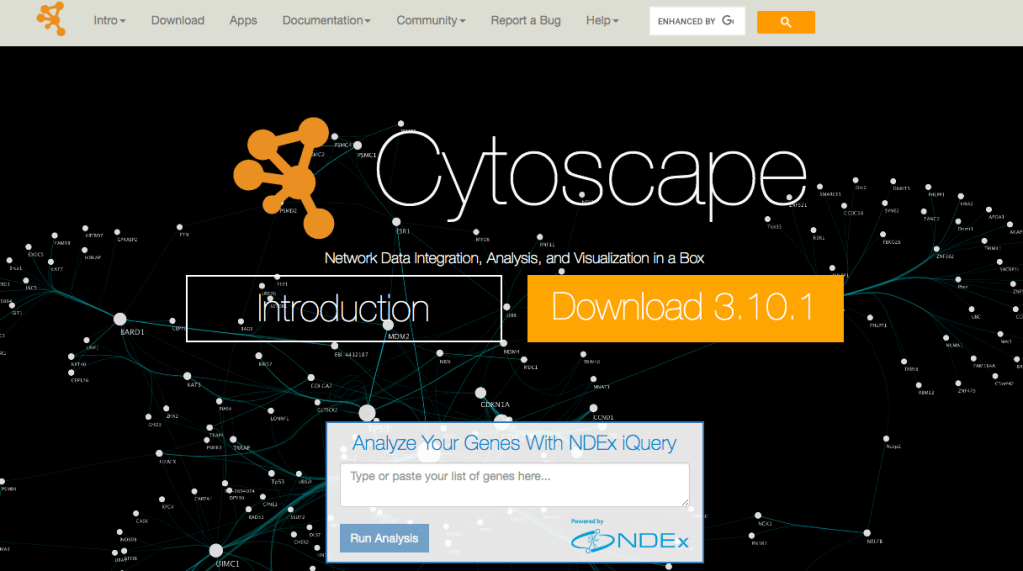
  • Social Network Analysis: Apply social network analysis techniques to genealogical data to visualize and analyze complex family relationships. Software tools like Gephi or Cytoscape can help in this regard.
  • Genetic Genealogy Education: Stay updated on advancements in genetic genealogy by attending workshops, webinars, and conferences. Understanding the latest methodologies and tools can significantly enhance your research capabilities.
  • Incorporating Historical Context: Contextualize your ancestors’ lives within historical events and social conditions of their time. This can provide valuable insights into their motivations, movements, and relationships.
  • Crowdsourcing and Collaboration: Engage with other genealogists through online forums, social media groups, or collaborative research projects. Sharing information and collaborating with others can lead to new discoveries and breakthroughs.
  • Utilize Niche Records: Explore lesser-known or niche record collections specific to your ancestors’ locations or occupations. Examples include church records, military pension files, and probate records, which may contain valuable genealogical information.
  • Ethnographic Research: Conduct ethnographic research to gain a deeper understanding of your ancestors’ cultural practices, traditions, and beliefs. This can provide context for interpreting historical records and family stories.

By incorporating these strategies and techniques into your genealogical research, you can uncover new insights and make meaningful connections within your family tree.

This blog post is an excerpt from an upcoming book “Unveiling Ancestral Threads – Innovative Strategies in Modern Genealogy” which will be released soon on Amazon.

This book is designed to help individuals interested in genealogy, regardless of their level of experience. It provides a comprehensive guide that encompasses a wide range of strategies and techniques, from basic genealogical research steps to advanced methodologies.

Beginners will find valuable information and guidance in the foundational chapters, such as “Building the Foundation: Steps in Basic Genealogy,” which cover essential concepts and techniques to kickstart their research journey. Intermediate genealogists will benefit from the more advanced strategies presented throughout the book, including DNA triangulation, niche record exploration, and ethnographic research.

Overall, “Unveiling Ancestral Threads” will serve as a resource for anyone seeking to deepen their understanding of genealogy and uncover the stories of their ancestors using innovative approaches and methodologies. Whether you’re just starting out or looking to expand your research toolkit, this book offers insights, tips, and practical advice to guide you on your genealogical journey.

Stay tuned for more updates…

Featured

Turning Back The Hands of Time

Exploring Ancestral Roots

In the fast-paced world of today, it’s easy to get lost in the whirlwind of modernity and forget the intricate tapestry of our past. Yet, within the depths of our family history lies a treasure trove of stories waiting to be uncovered. Join us on a journey as we turn back the hands of time and delve into the rich genealogy of our ancestors.

Embarking on a genealogical journey is akin to being a detective, piecing together clues from generations past. Through the meticulous study of birth records, marriage certificates, and census data, we begin to unravel the mysteries of our lineage. Each document serves as a breadcrumb, leading us further down the path of discovery.

Turning Back The Hands of Time

As we delve deeper into our family tree, we unearth connections that span continents and centuries. From humble beginnings in rural villages to adventures across oceans, the stories of our ancestors paint a vivid picture of resilience and determination. Whether they were farmers tilling the land or pioneers forging new paths, their legacy lives on in the blood that runs through our veins.

In our quest to preserve the memories of those who came before us, we turn to oral histories and family traditions. Sitting at the feet of elders, we listen intently as they recount tales of hardship and triumph. These stories serve as a reminder of where we come from and the values that bind us together as a family.

As we trace our lineage, we are confronted with the diverse tapestry of our ancestry. Our family tree is adorned with branches of different ethnicities, religions, and cultures. Embracing this diversity allows us to celebrate the richness of our heritage and foster a deeper understanding of the world around us.

As custodians of our family history, it is our responsibility to ensure that future generations carry the torch of remembrance. Through the preservation of documents and the sharing of stories, we impart upon our children a sense of belonging and pride in their ancestry. In doing so, we honor the sacrifices of those who came before us and pave the way for a brighter future.

Turning back the hands of time allows us to reconnect with our roots and gain a deeper appreciation for the journey that has brought us to where we are today. As we continue to unearth the stories of our ancestors, may we be inspired to forge our own paths and leave a legacy worthy of remembrance.

If you haven’t already embarked on your family tree journey, now is the perfect moment to begin. Exploring your ancestral roots not only unveils captivating stories but also fosters a profound sense of connection and belonging. Dive into the adventure today and uncover the hidden gems of your lineage. For more tips and inspiration, check out additional blog posts to kickstart your journey into the past.

Featured

Children’s Book

Timmy and Stripes Roots & Branches: A Journey Through Family History 

📚 Exciting News: New Children’s Book Available for Pre-Order! 📚

I am thrilled to announce that my latest genealogy book, a children’s book is now available for pre-order! Get ready to embark on a magical journey with Timmy and Stripes, two best friends who are about to take you on an unforgettable adventure.

Filled with vibrant illustrations and heartwarming storytelling, this captivating book is perfect for children of all ages. Join Timmy, a curious and adventurous boy, and his loyal companion Stripes, a friendly skunk with a heart of gold, as they explore the wonders of the forest and discover the true meaning of friendship.

From picking ripe blackberries to climbing the tallest mountain, Timmy and Stripes’ adventures are sure to spark the imagination and capture the hearts of young readers everywhere. Each page is brimming with excitement, laughter, and valuable life lessons that will inspire and entertain children for generations to come.

Don’t miss out on the opportunity to secure your copy of this enchanting tale! Pre-order now to guarantee your copy and be among the first to experience the magic when the book releases on March 31, 2024.

Get ready to dive into a world of wonder and adventure with Timmy and Stripes. Order your copy today and let the journey begin!

Stay tuned for more updates and sneak peeks as we count down to the release date. Thank you for your support, and happy reading!

For more information on the book, check out and pre-order your copy through the Amazon page.

Featured

Genealogy and Wills

Wills in genealogy are a great resource in discovering more about your family roots.

I am sure many of you have your wills done but if you don’t I would highly recommend that you do.

Researching your family tree is an ongoing saga for your personal journey and there may be a time where you will come across one for one of your ancestors. Coming across one of your 3rd or 4th great grandfather or grandmother’s ‘last will and testament‘ may lead you with more discoveries.

It is my aim today to provide you with a little history about ‘wills’ and if you are a Canadian researching ancestors from the UK there will be some tips and strategies for you to add to your arsenal of genealogy tools you will be able implement. These tips and strategies can be used by anyone.

While vital records, census data, and historical documents play crucial roles in genealogy, one often-overlooked but immensely valuable resource is the last will and testament. Wills provide a unique window into the lives of our ancestors, offering insights into their relationships, possessions, and the values they held dear. In this article, we will explore the significance of wills in genealogy and how they contribute to a more comprehensive understanding of our familial roots.

The concept of a last will and testament has ancient roots, and it’s challenging to pinpoint a specific individual or culture responsible for its implementation. Wills, in various forms, have been a part of human societies for centuries. The practice of leaving instructions for the distribution of one’s property and assets upon death has been observed in different civilizations throughout history.

One of the earliest recorded instances of a written will comes from ancient Egypt. The famous Egyptian will, known as the “Will of Naunakhte” dates back to around 1200 BCE. Naunakhte, a woman of some wealth, detailed in her will how she wanted her property and possessions to be distributed among her heirs.

Similarly, the ancient Greeks and Romans had practices that resembled testamentary arrangements. In Rome, for example, the “Testamentum” became a formalized part of Roman law, allowing individuals to specify the distribution of their property after death.

The implementation and recognition of wills evolved over time and varied across cultures and legal systems. As societies developed more complex legal structures, the formalization of wills became a standard practice. While it’s challenging to attribute the invention of the will to a specific individual, ancient civilizations laid the groundwork for the legal concept and practice of bequeathing one’s possessions upon death.

History of The Will

The history of the will is a fascinating journey that spans centuries and diverse cultures. The concept of individuals expressing their wishes regarding the distribution of their property after death has ancient roots and has evolved significantly over time.

  1. Ancient Civilizations:
    • Mesopotamia: The Code of Ur-Nammu, one of the earliest known legal codes dating back to around 2100–2050 BCE in ancient Mesopotamia, contains provisions for inheritance, although not in the form of a modern will.
    • Ancient Egypt: The aforementioned “Will of Naunakhte” is an ancient Egyptian document that dates back to around 1200 BCE, providing a glimpse into the testamentary practices of that time.
  2. Greek and Roman Influence:
    • Greece: While the Greeks did not have a formalized system of wills, the concept of expressing posthumous wishes existed in the form of verbal testaments. These were often accompanied by witnesses.
    • Rome: The Romans significantly contributed to the development of the will as a legal document. The “Testamentum” allowed Romans to specify the distribution of their property, and it became a formalized part of Roman law.
  3. Medieval Europe:
    • Early Christian Era: With the spread of Christianity in medieval Europe, wills became more formalized. Ecclesiastical authorities played a role in overseeing the execution of wills.
    • Feudal System: Wills were essential in the feudal system, where land passed down through generations was crucial. In this period, the church often had a say in testamentary matters.
  4. English Common Law:
    • 12th Century: In medieval England, the concept of a last will and testament continued to evolve. Landowners sought ways to ensure the orderly transfer of their estates, leading to the development of early forms of wills.
    • 16th Century: The Statute of Wills in 1540 under King Henry VIII established more formal requirements for wills in England, including the need for written documentation.
  5. Colonial America:
    • 17th Century: Early American colonists brought with them English legal traditions, and the practice of creating wills became an integral part of colonial life. Wills were essential in the distribution of property and maintaining family legacies.
  6. Modern Legal Systems:
    • 19th Century: The legal formalities surrounding wills continued to evolve, with the emphasis on written documentation and the requirement for witnesses becoming more standardized.
    • 20th Century: Legal systems worldwide refined and codified the laws governing wills. Different jurisdictions established rules to ensure the validity of wills and protect the interests of all parties involved.
  7. Contemporary Practices:
    • Digital Age: In the 21st century, technological advancements have prompted discussions about the validity and creation of digital wills. Some jurisdictions are adapting their legal frameworks to accommodate the changing ways people manage their assets.

The history of the will is a testament to the enduring human need to formalize the transfer of property and express posthumous wishes. From ancient civilizations to the complexities of modern legal systems, the evolution of the will reflects the cultural, legal, and social dynamics of the times in which it has existed.

Understanding the Basics

A will is a legal document that outlines an individual’s wishes regarding the distribution of their assets and the care of their dependents after death. While the primary purpose of a will is to ensure a smooth transition of wealth, it inadvertently becomes a treasure trove of information for genealogists. Wills typically contain details about family relationships, providing a rich narrative that goes beyond birth and death dates.

Family Dynamics Revealed

One of the most valuable aspects of wills in genealogy is the insight they provide into family dynamics. These documents often name spouses, children, and sometimes even extended family members. The distribution of assets among heirs can shed light on the perceived importance of each family member, potentially hinting at strained relationships or estrangements.

Discovering Hidden Ancestors

Wills can also unveil the existence of previously unknown family members. Illegitimate children, estranged siblings, or distant relatives may be mentioned in a will, offering a surprising twist in the genealogical journey. These revelations can lead to new branches on the family tree and a more complete picture of one’s ancestry.

Mapping Family Wealth and Lifestyle

Beyond relationships, wills provide a snapshot of an individual’s economic status and lifestyle. The inventory of assets and debts can reveal occupations, social standing, and even personal interests. For example, specific bequests such as jewelry, books, or family heirlooms can offer clues about the individual’s passions and hobbies.

Legal and Cultural Context

Wills are not only valuable for their genealogical content but also for the legal and cultural context they provide. The language and format of a will can offer insights into the legal conventions of the time, while cultural norms may influence the distribution of assets. Studying wills within their historical context enhances the understanding of societal structures and familial expectations.

Preserving Family Stories

While birth and death records provide essential dates, wills contribute to the human aspect of genealogy by preserving family stories. The sentiments expressed, the individuals remembered, and the wishes conveyed in a will create a narrative that transcends the dry facts of birth and death. It allows genealogists to connect with their ancestors on a personal level.

These legal documents go beyond mere transfers of wealth; they encapsulate the essence of familial relationships, cultural nuances, and individual legacies. As genealogists, unlocking the secrets embedded in wills is not only a means of constructing an accurate family tree but also a way of preserving and celebrating our collective heritage.

Where to Find Documents About Wills

  1. Government Websites:
    • Check the official government websites of the country or state where the will was likely created. They often provide access to public records, including wills and probate documents.
  2. Probate Courts:
    • Local probate courts are repositories for wills and related documents. You can contact or visit the probate court in the relevant jurisdiction to inquire about accessing wills.
  3. Genealogy Websites:
    • Genealogy websites like Ancestry.com and FamilySearch.org often have databases containing wills and probate records. These platforms may require a subscription or offer limited free access.
  4. Archives and Libraries:
    • Historical archives, state libraries, and local libraries may have collections of wills and probate records. Many of these institutions are now digitizing their collections for online access.
  5. Online Databases:
    • Websites specializing in legal documents, such as PublicRecordsNow.com or LegalZoom, may offer access to wills and related records. Be cautious and verify the credibility of such platforms.
  6. Subscription-based Legal Research Platforms:
    • Legal research platforms like Westlaw or LexisNexis provide access to a wide range of legal documents, including wills. These services often require a subscription.
  7. Family History Centers:
    • The Family History Library, operated by the Church of Jesus Christ of Latter-day Saints, has an extensive collection of genealogical records, including wills. Some records may be accessible online or at local Family History Centers.
  8. Archival Repositories:
    • National and state archives often house historical documents, including wills. Explore the archival holdings and search for online access options.

Remember to consider the jurisdiction and time period relevant to your search, as the availability of wills can vary. Always verify the reliability and authenticity of the sources you consult, especially when accessing documents online.

Wills – Canada

For genealogy research involving wills in Canada, there are several resources you can explore:

  1. Library and Archives Canada (LAC):
    • LAC is a valuable resource for historical documents. Their website provides access to various databases and collections, including wills and probate records. Visit their website or contact them for more information.
  2. Provincial Archives and Libraries:
    • Each Canadian province may have its own archives or library system that preserves historical documents, including wills. Check the official website of the provincial archives or library in the region you are researching.
  3. Probate Courts and Registries:
    • Wills are often filed in probate courts or registries. Contact the probate court or registry in the specific province or territory where your ancestors lived or passed away. They may have information on how to access wills and probate records.
  4. Ancestry and FamilySearch:
    • Online genealogy platforms like Ancestry.com and FamilySearch.org may have Canadian wills and probate records. Both platforms offer access to a wide range of genealogical documents, but note that some content may require a subscription.
  5. Canadiana Héritage:
    • Canadiana Héritage is a digital initiative providing access to a vast collection of historical documents. While it may not focus specifically on wills, it could include relevant records for your genealogy research.
  6. Local Historical Societies:
    • Local historical societies in the area where your ancestors lived may have information on wills and probate records. They can guide you to relevant resources or provide assistance in your research.
  7. Family History Centers:
    • Family History Centers operated by the Church of Jesus Christ of Latter-day Saints may have Canadian genealogical records, including wills. Check their resources online or visit a local Family History Center.
  8. Public Libraries:
    • Public libraries, especially those with genealogy or local history sections, can be excellent sources for accessing wills and probate records. Librarians may assist you in locating relevant materials.

Wills – UK

For genealogy research involving wills in the UK, there are several key resources you can explore:

  1. The National Archives (TNA):
    • The National Archives in the UK holds a vast collection of historical documents, including wills. The Probate Service provides access to wills from 1858 onwards. You can search and order copies of wills online through their website.
  2. Probate Registries:
    • The Probate Service in England and Wales manages probate records. You can contact the local probate registry associated with the area where the person lived or died to inquire about wills and probate records.
  3. Scotland’s People:
    • If your research involves Scottish ancestry, Scotland’s People is the official government source for genealogical data. Wills and testaments for Scotland are available on this website.
  4. Public Record Offices and Archives:
    • Many regions and counties in the UK have local archives or record offices that preserve historical documents, including wills. Check the official websites or contact these institutions for information on accessing wills.
  5. Ancestry and Findmypast:
    • Online genealogy platforms like Ancestry.co.uk and Findmypast.co.uk provide access to a wide range of genealogical records, including wills and probate records. Some content may require a subscription.
  6. FamilySearch:
    • FamilySearch.org, operated by the Church of Jesus Christ of Latter-day Saints, has a growing collection of UK probate records. It’s a valuable resource for genealogists, and access is free.
  7. Local Libraries and Archives:
    • Local libraries and archives, especially those with a focus on local history or genealogy, may have collections of wills and probate records. Librarians can guide you on accessing relevant materials.
  8. Court Archives:
    • Some older wills may be stored in court archives. If you know the specific court where the will was probated, you can inquire about accessing records from that court.

When conducting genealogy research in the UK, be sure to check multiple sources, as wills may be held at different levels of government or in various archives. Consider the time period and jurisdiction relevant to your research, and always verify the authenticity of the sources you consult.


In tracing the footsteps of our ancestors through the intricate web of genealogy, the importance of wills as invaluable artifacts cannot be overstated. As we conclude our exploration into the significance of wills in genealogy, it becomes clear that these legal documents are not mere lists of assets and beneficiaries. Instead, they are windows into the lives, relationships, and values of those who came before us.

Wills provide a unique narrative that extends beyond birth and death dates, offering a glimpse into the complexities of family dynamics. From hidden ancestors to the distribution of wealth, these documents unveil stories that might otherwise have been lost to time. The meticulous details of bequests, the chosen heirs, and the sentimental value placed on specific possessions all contribute to a richer understanding of our familial roots.

As genealogists, we are not just piecing together names and dates; we are weaving a tapestry of human experiences. Wills, with their legal and cultural context, become threads that connect us to the societal norms and familial expectations of bygone eras. Through this exploration, we not only construct a more accurate family tree but also honor and preserve the legacies of those who came before us.

In the digital age, the accessibility of wills has expanded, offering us unprecedented opportunities to delve into the lives of our ancestors. From the hallowed halls of national archives to the convenience of online platforms, the tools for genealogical discovery are at our fingertips.

In conclusion, the importance of wills in genealogy lies not just in the practicalities of asset distribution but in the stories they tell, the mysteries they unravel, and the connections they forge across generations. As we continue to unlock the secrets embedded in these legal documents, we not only celebrate our familial heritage but also contribute to the preservation of a collective human history—one will at a time.

Featured

The Story Of Censuses

In the intricate narrative of human history, the census stands as a pivotal chapter, a tool that has woven together the fabric of societies, offering insights into the intricate patterns of human existence. From ancient civilizations to the contemporary world, the story of censuses is one of evolution, adaptation, and the relentless pursuit of knowledge.

Censuses, at their core, are not merely enumerations of populations but a reflection of the collective journey of a people. The tale they tell encompasses the rise and fall of civilizations, the ebb and flow of migration, the changing dynamics of families, and the socio-economic metamorphosis that marks the passage of time.

As we delve into The Story of Censuses, we embark on a journey through the annals of history, tracing the origins of these crucial headcounts and witnessing their transformative power. From humble beginnings as basic population counts to the sophisticated data repositories of today, censuses have not only measured the pulse of societies but have also played a pivotal role in shaping the course of nations.

Join us in unraveling the rich tapestry of nations, exploring how censuses have adapted to the complexities of the modern world, embracing technological advancements, and serving as a compass for governments, researchers, and policymakers navigating the uncharted waters of societal change. The story unfolds, chapter by chapter, revealing the invaluable insights that censuses offer into the diverse and ever-evolving nature of humanity.

In this blog article, we will cover the history of censuses in English speaking nations: Canada, United States, United Kingdom, Ireland, Scotland, Austrialia and New Zealand. I hope this informational article will be in educational for anyone researching their family trees.

Censuses are more than just numerical snapshots of a nation’s population; they are the threads that weave our understanding of history, demographics, and societal evolution. In this informational article, we embark on a journey through time to uncover the origins of censuses, the pioneering countries that initiated them, the compelling reasons behind their introduction, the evolution of census methods, and the invaluable information they provide. Let’s dive into this fascinating exploration of censuses.

The Birth of Censuses

The history of censuses dates back thousands of years. Early civilizations recognized the value of headcounts for various purposes, including taxation and military conscription. However, the modern concept of a national census emerged in the 17th century.

Pioneering Countries

1. Ancient China: While not a modern census in the contemporary sense, China conducted population counts as early as the 2nd century AD for taxation purposes, making it one of the earliest recorded instances of population enumeration.

2. Ancient Rome: The Roman Empire conducted censuses for taxation and military conscription. These censuses laid the groundwork for future population counts.

3. Sweden: Often regarded as a pioneer in modern censuses, Sweden conducted its first national population count in 1749, focusing on demographic and economic data.

4. Great Britain: The first official national census in Great Britain took place in 1801, setting the stage for systematic, decennial data collection. This groundbreaking event was followed by a series of censuses that established the framework for modern census practices.

The Reasons Behind Censuses

The motivations behind conducting censuses have evolved over time and include the following:

1. Taxation: Historical censuses often served as tools for tax assessment. Knowing the size and wealth of a population allowed governments to levy taxes more effectively.

2. Military and Defense: Censuses were critical for military conscription and maintaining a standing army, ensuring national security.

3. Resource Allocation: Governments needed accurate population data to allocate resources, especially during times of scarcity or crisis.

4. Social and Economic Planning: As societies grew more complex, censuses provided critical data for social and economic planning, including education, healthcare, and infrastructure development.

5. Demographic Analysis: Censuses offered insights into population growth, fertility rates, mortality rates, and migration patterns. These data became invaluable for demographic and sociological studies.

The Evolution of Censuses

Censuses have experienced profound transformations over the centuries:

1. Frequency: Early censuses were sporadic, while modern censuses are conducted at regular intervals, typically every ten years.

2. Methods: Advancements in data collection techniques have streamlined the census process. Modern censuses employ electronic data entry and online forms, reducing errors and improving efficiency.

3. Scope: Censuses have expanded in scope, covering a wide range of information, including demographics, education, occupation, housing conditions, and even internet usage.

4. Privacy Concerns: Modern censuses address privacy concerns by implementing strict regulations governing data collection and storage.

Information Available on Censuses

Census records are treasure troves of data that offer a unique window into the past. The information available typically includes:

1. Demographics: Names, ages, genders, and relationships within households.

2. Occupation: Details about employment status and job descriptions.

3. Birthplaces: Information about where individuals were born, often down to the parish or county.

4. Marital Status: Insights into marital status and the number of children in a family.

5. Housing: Data on housing conditions, including the number of rooms in a dwelling.

6. Education: Information about literacy and educational attainment.

7. Migrations: Records can help trace movements, migration patterns, and changes in residence.

Canadian Censuses

Censuses are more than just data collection exercises; they are time capsules that hold the stories of nations and their people. In Canada, censuses have played a pivotal role in understanding the country’s ever-evolving demographics, economic landscape, and social fabric. In this blog post, we’ll embark on a journey through the history of Canadian censuses, their significance, how they have evolved over time, and the invaluable insights they offer into the nation’s past.

The history of censuses in Canada can be traced back to the early days of European settlement. The first recorded census in New France took place in 1666, under the direction of Jean Talon, the intendant of New France. This census sought to quantify the population and identify available resources.

The First Decennial Census: The young Dominion of Canada conducted its first nationwide census in 1871, just a few years after confederation. The primary goal was to gather demographic information, assess land use, and understand the country’s economic activities.

Frequency and Expansion: Canada continued to conduct decennial censuses, expanding the scope to include more detailed information on the population, such as occupation, place of birth, religion, and languages spoken.

The 1911 Census: The 1911 census was a game-changer. It marked the first time that the government gathered individual census schedules, providing a wealth of genealogical information. These schedules offered insights into family structures, names, and places of birth.

Censuses have been essential to Canada for various reasons

Resource Allocation: Censuses helped allocate resources effectively, especially in a vast country like Canada. They informed decisions on infrastructure, healthcare, and education.

Demographic Analysis: Population data played a crucial role in understanding demographic shifts, such as population growth, migration patterns, and aging demographics.

Policy Formulation: Censuses guided policy-making by providing data on social and economic conditions. They helped shape policies related to immigration, education, and public health.

Historical Documentation: Over time, censuses evolved into historical records that offered valuable insights into family histories, individual lives, and societal changes.

The Evolution of Canadian Censuses

Canadian censuses have evolved significantly:

Frequency: Canada now conducts a nationwide census every five years. This more frequent data collection allows for quicker responses to changing demographics and social trends.

Modern Technology: The digital age has revolutionized the way censuses are conducted. Today, Canadians can complete the census online, improving data accuracy and accessibility.

Expanded Data: Modern censuses capture a wide range of information, including demographics, housing, education, employment, and more.

Privacy: Stringent privacy measures ensure that personal data is protected and only released after a considerable time has passed.

Valuable Insights

Canadian censuses provide a treasure trove of information, including:

1. Demographics: Names, ages, and relationships within households.

2. Occupation: Details about employment and job descriptions.

3. Birthplaces: Information about where individuals were born.

4. Languages: Data on languages spoken.

5. Cultural Diversity: Insights into the rich tapestry of Canada’s multiculturalism.

6. Economic Data: Information on industry, income, and economic trends.

The 2021 Canadian Census was a comprehensive survey that aimed to collect data about the country’s population and housing. It included various questions related to demographics, such as age, sex, marital status, and language spoken. It also gathered information on housing, including the type of dwelling, ownership, and the number of rooms.

The 2021 Census had a strong focus on digital data collection, encouraging Canadians to complete the census questionnaire online. This method aimed to streamline the process and reduce the use of paper forms.

Additionally, the 2021 Census included questions on topics such as Indigenous identity, citizenship, immigration, education, employment, and more. The data collected from the census is crucial for government planning, resource allocation, and policy development. It helps provide a detailed snapshot of Canada’s population and demographics.

The 2021 Canadian Census data is typically made available to the public for genealogical research purposes after a period of 92 years. This means that the 2021 Census data will likely be accessible to genealogists in 2113. The delay is in place to protect the privacy of individuals mentioned in the census, as it ensures that sensitive personal information is not disclosed during their lifetime. Researchers and genealogists will have to wait until the data becomes publicly accessible in accordance with privacy regulations.

Canadian censuses are more than just statistical records; they are the legacy of a nation. These decennial snapshots of Canadian life offer a vivid narrative of the country’s development, its people, and their stories. As Canada continues to evolve and embrace its diversity, the role of censuses remains vital in understanding the past, guiding the present, and planning for the future. So, the next time you fill out a census form, remember that you’re contributing to a living archive that will tell the story of Canada for generations to come.

For information on Canadian Censuses, you can visit Statistics Canada’s official website. They provide comprehensive data, reports, and analysis related to census findings. Additionally, libraries, archives, and genealogical organizations may also have resources and tools for accessing historical census data. Online platforms that focus on genealogy and historical research, such as Library and Archives Canada, can be valuable sources as well.

You can find Canadian Census information on Statistics Canada’s official website: https://www.statcan.gc.ca/. For genealogical research and historical data, you can explore Library and Archives Canada’s website: https://www.bac-lac.gc.ca/. These websites offer a wealth of information and resources related to Canadian censuses.

Counting America: The Evolving Story of U.S. Censuse

Censuses in the United States are more than just population counts; they are invaluable historical archives, providing insights into the nation’s growth, diversity, and evolving social, economic, and political landscapes. In this blog post, we’ll embark on a journey through time to explore the history of U.S. censuses, their profound significance, their evolution over the years, and the wealth of information they offer about the American story.

A Brief History

The history of censuses in the United States is intertwined with the nation’s growth and development:

1. The First National Census: The United States conducted its inaugural national census in 1790, just a year after the U.S. Constitution’s ratification. This census aimed to determine the nation’s population for representation and taxation purposes.

2. Decennial Tradition: A decennial census became a constitutional requirement, providing a regular count of the population and facilitating the redistribution of seats in the House of Representatives.

3. Expanding Horizons: Over time, the U.S. Census Bureau expanded the census’s scope to include vital information beyond just population counts, such as data on housing, demographics, and economic trends.

The Reasons Behind U.S. Censuses

The United States conducted censuses for various critical reasons:

1. Political Representation: Determining the number of congressional seats each state receives is a fundamental purpose of the census. It ensures fair political representation.

2. Resource Allocation: Census data inform the distribution of federal funds for various programs, including education, healthcare, and infrastructure.

3. Demographic Analysis: Censuses offer essential demographic data, including age, race, and ethnicity, which help in understanding the changing face of America.

4. Societal Planning: Policymakers use census information to develop plans and programs that address societal needs, such as disaster response and public health initiatives.

Evolution of U.S. Censuses

U.S. censuses have evolved significantly over time:

1. Technological Advancements: The introduction of new technology has streamlined data collection. The modern era allows for electronic data entry and online responses, improving accuracy and efficiency.

2. Expanded Data Collection: The scope of information gathered has grown to include an array of demographic, social, and economic factors, reflecting America’s complex and dynamic society.

3. Privacy Measures: Rigorous privacy measures ensure that personal data is protected and kept confidential.

4. Accessibility: Census data have become more accessible, with electronic copies of historic records available for research.

Data That Comes to Light

U.S. censuses are treasure troves of information, including:

1. Demographics: Names, ages, relationships within households, and racial and ethnic backgrounds.

2. Economic Data: Information about employment, income, and industry trends.

3. Educational Attainment: Insights into literacy and educational achievement.

4. Migration Patterns: Data on movements, immigration, and internal population shifts.

5. Social Trends: Changes in family structures, marital status, and household sizes.

U.S. censuses are not just numbers on paper; they are vital instruments for understanding the past, navigating the present, and planning for the future. These decennial snapshots of American life offer a dynamic and intricate narrative of the nation’s development, its people, and their diverse stories. As America continues to grow and change, censuses will remain a cornerstone of knowledge, a tool to interpret history and plan for the nation’s tomorrow. So, the next time you participate in a census, remember that you’re contributing to an ever-evolving story that will tell the tale of America for generations to come.

For the most accurate and up-to-date information on U.S. Censuses, I recommend visiting the official website of the United States Census Bureau: census.gov

Exploring the UK Census

The UK Census is an invaluable resource for family historians, and we’re about to unravel its history, significance, and some surprising insights. So, let’s journey through time and explore the UK Census.

The census is one of the most extensive surveys ever conducted. It aimed to collect comprehensive information about the population every ten years. The first official census in Great Britain took place in 1801, but the records available at The National Archives start from 1841. Before 1841, local authorities conducted the census, making the data collection less consistent.

The census process was a monumental undertaking, even by today’s standards. Enumerators, assigned specific districts, delivered census papers to households a few days before the designated census night, which always occurred on a Sunday. Afterward, they returned to collect the completed forms.

Householders filled in the census papers themselves, although in 1841 and earlier years, not everyone was literate. In such cases, an enumerator or a neighbor might have assisted in completing the form.

The data collected in the census evolved over the years. In 1841, it mainly consisted of names, ages (rounded down for adults), occupations, and whether the individual was born in the county. From 1851 onwards, the census provided more information, including relationships within the household, more detailed occupations, and birthplaces with parish and county details.

In the 1911 census, the data was still collected in the same way, the statistical data extraction was revolutionized. The use of machine technology allowed for more information to be gathered, and data was extracted directly from the household schedules. This made the 1911 census particularly rich in details.

The census aimed to account for everyone on a specific night, but human factors and logistical challenges meant there were occasional inaccuracies. Sometimes people were listed at an address where they weren’t permanent residents, and missing data made it challenging to identify those on floating vessels.

Today, accessing census records has never been easier. Most census records are available online, making them highly accessible for family historians. Major family history websites have digitized and transcribed the records, offering various interpretations of sometimes challenging handwriting. Free access is available in the reading rooms at The National Archives in Kew, and many local libraries and archives hold institutional subscriptions to these websites.

There is a 100-year rule on census records, with the most recent available being the 1911 census. Questions about more recent censuses often arise, but there’s no equivalent source. The 1939 register is often mistaken for a census, but it’s a separate resource with less information.

The UK Census is a goldmine for genealogists and history enthusiasts. It provides unique insights into the lives of past generations, offering a window into history that is both educational and captivating. With the digital age, accessing these records has become more straightforward, making it possible for people to uncover their family’s history and trace the footsteps of their ancestors.

Censuses are not mere historical records; they are the keys to understanding our past and planning for our future. From ancient headcounts to modern data-driven analyses, censuses have grown in significance and complexity. They are the archives of human history, shedding light on the lives and experiences of our ancestors. As we continue to evolve and adapt in the modern era, censuses remain invaluable resources, offering us a unique perspective on our shared history and the world around us.

The United Kingdom’s censuses have a rich history that dates back to the early 19th century. These decennial headcounts have not only been essential for government planning and resource allocation but have also provided invaluable insights into the demographic, social, and economic changes that have shaped the country over the years. In this blog article, we’ll explore the UK censuses, their evolution, and the wealth of information they have revealed about the nation’s people and their lives.

In the early censuses, data collected was relatively basic, focusing primarily on population counts. However, as time passed, the censuses grew more comprehensive. The 2021 census, for instance, gathered data on topics ranging from ethnicity and religion to housing and employment. This evolution mirrors the changing priorities of a modern and diverse UK.

Advancements in technology have had a profound impact on how censuses are conducted. The 2021 census saw the introduction of online data collection, a move that not only improved efficiency but also encouraged a higher response rate. The integration of technology has allowed for more accurate and timely data.

UK censuses have provided a treasure trove of information that researchers and policymakers have used to understand the country’s dynamics. These insights include changes in population size and distribution, shifts in immigration and emigration patterns, and the aging of the population. Additionally, censuses have revealed data on education, employment, and healthcare, helping shape government policies.

The most recent UK census in 2021 offered a comprehensive snapshot of the nation. It showed the increasing diversity of the population, with a growing number of people identifying as mixed race or from non-Christian religious backgrounds. The data also indicated shifts in family structures and living arrangements.

As with any comprehensive data collection effort, concerns about privacy and data security have arisen. The UK government has implemented stringent measures to protect the information gathered during censuses, ensuring that individual responses remain confidential and secure.

The role of censuses in the 21st century continues to evolve. With the advent of big data and sophisticated analytical tools, the data collected in censuses is now used in conjunction with other data sources to gain deeper insights into societal trends. The 2031 census will likely reflect further changes in the country’s demographics and priorities.

The UK censuses have come a long way from their inception in 1801, adapting to the changing needs of a dynamic and diverse society. They remain an invaluable resource for understanding the nation’s past, present, and future. As technology continues to shape data collection methods, and as the UK continues to evolve, we can look forward to even more comprehensive and enlightening insights from future censuses. These data will not only inform government policies but also provide a mirror to society, reflecting its changing demographics and aspirations.

So, if you’re ready to embark on a journey through time, explore the UK Census and unlock the secrets of your ancestors pasts.

For UK censuses, you can explore the National Archives website at nationalarchives.gov.uk. For Scotland, visit scotlandspeople.gov.uk, and for Ireland, check out census.nationalarchives.ie.

Australian Censuses

Censuses play a crucial role in understanding the demographic, social, and economic landscape of a nation. In Australia, these decennial undertakings provide a wealth of information that influences everything from government policy to business decisions. In this blog post, we will delve into the world of Australian censuses, exploring their history, significance, and the valuable insights they offer.

The History of Australian Censuses

Australia’s first census was conducted in 1911, making it a relatively recent addition to the long history of censuses worldwide. Since then, the Australian Bureau of Statistics (ABS) has organized censuses every five years until 2006 when it shifted to a ten-year cycle. These comprehensive surveys have evolved to reflect the changing needs of the nation.

Why Censuses Matter

Censuses are more than just data collection exercises. They provide essential insights into the nation’s population, including age, gender, ethnicity, and more. The information collected aids in the allocation of government resources, planning for infrastructure and services, and assessing the social and economic well-being of Australians.

Key Questions and Data

The Australian census includes a wide range of questions that offer a holistic view of the nation’s demographics and social conditions. Questions related to education, employment, income, and housing help in evaluating the standard of living across different regions.

Controversies and Concerns

While censuses are essential, they are not without their challenges. Privacy concerns and issues related to accuracy have raised questions about the nature of these surveys. The ABS addresses these concerns by assuring respondents that their data will be anonymized and used solely for statistical purposes.

Online vs. Paper-Based Censuses

One significant change in recent Australian censuses has been the shift from paper-based to online surveys. This change aims to improve efficiency and reduce costs. However, it has also raised concerns about accessibility for certain demographics, including older Australians and those with limited internet access.

The Impact on Policy and Decision-Making

The data collected through censuses play a pivotal role in shaping government policies and strategic decisions. This information helps in identifying areas that need investment, healthcare services, education, and infrastructure development. It also aids in understanding migration patterns and cultural diversity, enabling policymakers to foster inclusivity.

Australian censuses are invaluable tools that provide comprehensive insights into the nation’s demographic and social landscape. They are not just data collection exercises but critical instruments that guide government policies, resource allocation, and business strategies. As we await the next census in 2026, it’s important to recognize the significance of these surveys in shaping Australia’s future.

You can access census data for Australia through the official website of the Australian Bureau of Statistics (ABS). The ABS Census data portal provides a wealth of information on various demographic and social indicators. Visit: ABS Census Data

Censuses in New Zealand

Censuses are the pulse of a nation, offering a vital snapshot of its people, society, and economy. New Zealand’s history of censuses, much like the country itself, is a tale of evolution, diversity, and modernization. In this blog post, we’ll take a deep dive into the fascinating world of censuses in New Zealand, exploring their origins, significance, and the wealth of information they provide.

The Beginnings of New Zealand Censuses

New Zealand’s census history began in 1851, making it one of the earliest countries to undertake these comprehensive population counts. Since then, the New Zealand government has conducted a census every five years, except for the period during World War II when it was postponed.

Why Censuses Matter

Censuses are the cornerstone of informed decision-making in New Zealand. They offer an in-depth understanding of the country’s demographics, such as age, gender, ethnicity, language, and more. This valuable data influences everything from government policies to community planning, business strategies, and resource allocation.

Key Census Questions and Data

New Zealand censuses feature a range of questions designed to capture a holistic view of its population. These questions cover education, employment, income, housing, and more, giving insights into the standard of living across the country.

The Importance of Māori and Pacific Peoples Data

One unique aspect of New Zealand censuses is the emphasis on collecting data related to the Māori and Pacific Peoples. This recognition of indigenous and diverse communities ensures that their needs and concerns are addressed in government policies and resource allocation.

Challenges and Innovations

While censuses are essential, they come with their share of challenges. Privacy concerns and the need to adapt to technological advancements are ongoing issues. New Zealand has, over time, transitioned from paper-based surveys to online responses, highlighting the need for adaptability while ensuring data security and accessibility.

Impact on Policy and Decision-Making

The data collected through censuses in New Zealand influence numerous aspects of governance, from healthcare and education funding to infrastructure development and disaster preparedness. By understanding migration patterns, cultural diversity, and the changing demographics, policymakers are better equipped to serve the interests of all Kiwis.

New Zealand censuses are the building blocks of a well-informed, inclusive, and responsive society. They provide a comprehensive understanding of the nation’s population, its diversity, and its evolving needs. As we await the next census, let’s appreciate the role of this essential tool in shaping the future of New Zealand and ensuring a brighter, more equitable tomorrow for all New Zealanders.

Statistics New Zealand is the official source for census data in New Zealand. You can find comprehensive information on their website, including data from the latest censuses and other statistical resources. Visit: Statistics New Zealand – Census

As we draw the final thread in The Story of Censuses, we find ourselves standing at the crossroads of past, present, and future, marveling at the profound impact these enumerations have had on the understanding of our shared human experience. From the ancient tablets of Mesopotamia to the digital databases of the 21st century, censuses have transcended time, emerging as a dynamic and essential force in the ever-changing narrative of nations.

Through the eons, censuses have been the silent chroniclers of triumphs and tribulations, tracking the rise and fall of civilizations, the comings and goings of peoples, and the nuanced shifts in societal structures. They have weathered the storms of skepticism and navigated the currents of technological revolutions, emerging resilient and relevant in an era marked by exponential growth in data and unprecedented connectivity.

As we reflect on this narrative, it becomes clear that censuses are not static artifacts of history; they are living documents, mirrors reflecting the soul of a society at a particular moment in time. The lessons learned from the past become guideposts for the future, encouraging us to adapt, innovate, and use these invaluable tools to better understand the complexities of the societies we inhabit.

In closing The Story of Censuses, we recognize the enduring importance of these headcounts in shaping policies, fostering inclusivity, and illuminating the path toward a more equitable and informed future. The tale of censuses is far from over; it continues to evolve, mirroring the dynamic societies they seek to understand. As we turn the page to the next chapter, we eagerly anticipate the unfolding stories that future censuses will reveal, contributing to the ongoing narrative of our shared human journey.

Featured

Top 22 Genealogy Software

Check out a quick short video on YouTube on the software https://youtu.be/l0J9VuEN9gw

Embarking on the journey to trace one’s family history is an exciting venture, and in the digital age, genealogy software has become an indispensable tool, catering to the needs of both enthusiasts and professionals. With an array of options available, each with its unique features and capabilities, choosing the right genealogy software is pivotal in unravelling the intricate tapestry of one’s ancestry.

In this comprehensive guide, we will explore a variety of genealogy software, highlighting their advantages and potential drawbacks to assist users in making informed decisions tailored to their research goals and preferences.

Your genealogical journey involves selecting the right software to uncover your family’s history.

Within this article, I aim to present prospective options for genealogy software, both online and standalone. For those starting their journey as family historians, it becomes essential to find a method for gathering and organizing the information acquired or to be obtained in the future within a suitable program. It’s worth noting that individuals who prefer not to utilize a computer for this purpose may find this information less applicable. In upcoming content, I’ll explore alternatives for those with different preferences. For now, this blog primarily caters to individuals interested in crafting a family tree using genealogy software.

Here’s a detailed look at the advantages and potential drawbacks of the featured genealogy software:

It is a powerful tool that seamlessly integrates with your MyHeritage subscription. The software is free and provides an excellent platform for building and expanding your family tree. Its user-friendly interface makes it accessible for beginners while offering robust features for more advanced users.

  1. Advantages:
    • Integration with MyHeritage Subscription: Seamless integration for MyHeritage subscribers.
    • User-Friendly Interface: Accessible for beginners with advanced features.
  2. Disadvantages:
    • Limited Integration: Primarily designed for MyHeritage users.

For those looking for a versatile option, Agelong Tree 5 is available for both Windows and Mac OS, starting at €29.95. With a focus on ease of use, this software allows you to create and manage your family tree efficiently.

  1. Advantages:
    • Versatility: Available for both Windows and Mac OS
    • Ease of Use: User-friendly interface for efficient family tree management.
  2. Disadvantages:
    • Cost: Starting at €29.95 may be considered pricey for some users.

Priced at €39.95 for Windows, provides a comprehensive genealogy solution. With a range of features, it caters to users with varying levels of expertise. The software is designed to help you uncover your family history with precision and clarity.

  1. Advantages:
    • Comprehensive Solution: Packed with features for various user levels.
    • Precision and Clarity: Aids in uncovering family history details.
  2. Disadvantages:
    • Cost: Priced at €39.95, may be on the higher end for some users.

Offers a free basics version, with the option to purchase the full version for $34.95. Compatible with both Windows and Mac OS, this software is known for its user-friendly interface and powerful tools, making it suitable for beginners and experienced genealogists alike.

  1. Advantages:
    • Free Basics Version: Suitable for beginners.
    • Cross-Platform Compatibility: Available for Windows and Mac OS
  2. Disadvantages:
    • Cost for Full Version: $34.95 for advanced features.

Offers a free 45-day trial version and a lifetime license for $40.00 for Windows users. This software distinguishes itself with a clean and intuitive interface, making it easy to organize and analyze your genealogical data.

  1. Advantages:
    • Intuitive Interface: Clean and user-friendly design.
    • Trial and Lifetime Options: Options for both trial and lifetime licenses.
  2. Disadvantages:
    • Windows Exclusive: Limited to Windows users.

Priced at $32.00 for the full version on Windows, Brother’s Keeper 7.5 is a robust genealogy software solution. It comes with advanced features for in-depth family history research and offers excellent value for its price.

  1. Advantages:
    • Affordability: Priced at $32.00 for a robust genealogy solution.
    • Advanced Features: Suitable for in-depth family history research.
  2. Disadvantages:
    • Windows Exclusive: Limited to Windows users.

With a download cost of $82.95 CAN for the full version on Windows, Family Historian 7 is designed for serious genealogists. The software provides advanced tools for organizing and visualizing your family tree, making it a valuable asset for detailed research.

  1. Advantages:
    • Advanced Tools: Designed for serious genealogists.
    • Organizational Capabilities: Helps in visualizing family trees effectively.
  2. Disadvantages:
    • Higher Cost: Priced at $82.95 CAN.

Priced at $114.95 CAN for Windows or Mac OS, is a comprehensive genealogy software package. Known for its user-friendly interface and powerful features, it is a popular choice among genealogists.

  1. Advantages:
    • User-Friendly: Suitable for beginners and experienced users.
    • Comprehensive Package: Known for powerful features.
  2. Disadvantages:
    • Higher Cost: Priced at $114.95 CAN.

Offers a free 14-day trial, with different user licenses starting at $49.00 for Windows users. This software is primarily focused on visualizing and presenting your family tree, making it an excellent choice for those who appreciate detailed graphical representations.

  1. Advantages:
    • Visual Focus: Primarily for visualizing and presenting family trees.
    • Trial Option: Free 14-day trial available.
  2. Disadvantages:
    • Cost for Full Version: Starting at $49.00.

As a free option for Linux, Windows, and Mac OS users, GRAMPS 5.1.6 stands out for its open-source nature. It provides a robust platform for genealogical research without the need for a financial commitment.

  1. Advantages:
    • Open Source: Free genealogy software.
    • Platform Diversity: Available for Linux, Windows, and Mac OS
  2. Disadvantages:
    • Learning Curve: May be challenging for beginners.

OneGreatFamily offers flexible subscription plans for online genealogy enthusiasts, allowing users to choose from monthly, quarterly, or annual subscriptions. This online platform facilitates collaboration with other researchers, creating a dynamic and interconnected family tree.

Advantages:

  1. Flexible Subscription Plans: OneGreatFamily offers monthly, quarterly, or annual subscription options, providing users with flexibility in accessing and utilizing the platform.
  2. Collaborative Environment: The online platform fosters collaboration among genealogy enthusiasts, enabling the creation of a dynamic and interconnected family tree through shared research efforts.

Disadvantages:

  1. Subscription Costs: Users may find the subscription costs to be a continuous financial commitment.
  2. Dependency on Collaboration: The effectiveness of the platform relies on the engagement and collaboration of other researchers.

Starting at $39.99 US for Windows and $69.99 for Mac OS, Heredis provides a comprehensive genealogy solution for both platforms. With advanced features for data management and analysis, it’s a valuable tool for serious genealogists.

Advantages:

  1. Comprehensive Solution: Starting at $39.99 US for Windows and $69.99 for Mac OS, Heredis provides advanced features for data management and analysis, catering to the needs of serious genealogists.
  2. Cross-Platform Availability: Available for both Windows and Mac OS, offering users the flexibility to switch between platforms.

Disadvantages:

  1. Cost: The initial cost may be relatively high for some users.
  2. Learning Curve: The advanced features may pose a challenge for beginners.

Legacy 9.0 offers a free standard edition, with the deluxe edition available for $34.95 US on Windows. Known for its user-friendly interface and robust features, Legacy 9.0 is suitable for users of all levels.

Advantages:

  1. Free Standard Edition: Legacy 9.0 offers a free version with basic features, making it accessible to users without immediate financial commitment.
  2. User-Friendly Interface: Known for its intuitive design, making it suitable for users of all levels.

Disadvantages:

  1. Cost for Deluxe Edition: While the standard edition is free, users seeking advanced features need to purchase the deluxe edition for $34.95 US.
  2. Limited Advanced Features in Free Version: Some advanced features are restricted to the deluxe edition.

A free genealogy software available for Windows, Mac OS, and Linux. With a focus on customization and flexibility, it allows users to tailor their genealogical research experience according to their preferences.

Advantages:

  1. Free Access: Ancestris 12 is a free genealogy software, making it accessible to users without any financial investment.
  2. Customization and Flexibility: Users can tailor their genealogical research experience according to their preferences, emphasizing customization.

Disadvantages:

  1. Limited Advanced Features: As a free software, it may lack some of the advanced features found in paid alternatives.
  2. Learning Curve: Customization options may result in a steeper learning curve for some users.

Starts at $39.95 US and is available for both Windows and Mac OS With a strong emphasis on user-friendly navigation and a wide range of features, RootsMagic 9 is an excellent choice for individuals looking for a comprehensive genealogy solution.

Advantages:

  1. User-Friendly Navigation: RootsMagic 9 places a strong emphasis on user-friendly navigation, ensuring ease of use for individuals of varying levels of expertise.
  2. Cross-Platform Availability: Available for both Windows and Mac OS, providing flexibility for users with different operating systems.

Disadvantages:

  1. Cost: Starting at $39.95 US, it may be considered on the higher end for users on a budget.
  2. Learning Curve for Some Features: While user-friendly, some advanced features may require time to master.

The Next Generation of Genealogy Site-building is designed for users interested in creating their own genealogy website. With a user-friendly interface, it empowers users to share their family history with a broader audience.

Advantages:

  1. Affordability: Priced at $34.99, it offers an affordable solution for users interested in creating their own genealogy website.
  2. User-Friendly Interface: The software is designed with a user-friendly interface, empowering users to share their family history with a broader audience.

Disadvantages:

  1. Limited to Website Building: It is specifically designed for users interested in creating their genealogy website and may lack some features found in comprehensive genealogy software.
  2. Limited Advanced Genealogical Tools: The focus on website building might mean a lack of certain advanced genealogical tools present in other software.

Unveil the secrets of your family’s past with Ancestry.com, home to an unparalleled wealth of historical records and family trees. Experience the power of collaboration as you connect with a vast community of researchers, making your genealogical journey not only insightful but also a shared adventure with relatives. Ancestry.com’s massive database and user-friendly interface make it a premier choice for both beginners and seasoned genealogists, ensuring a comprehensive and enriching exploration of your family history.

  1. Advantages:
    • Massive Database: Access to an extensive collection of historical records and family trees.
    • Collaboration: Connect with a vast community and collaborate with relatives on your family history.
  2. Disadvantages:
    • Costs: Ancestry.com often requires a subscription fee for full access.
    • Learning Curve: The platform can be overwhelming for beginners.

MyHeritage stands as a technological marvel in the realm of genealogy, employing smart matching algorithms to seamlessly connect you with historical records and family trees. Embrace the future of genealogical research by integrating DNA testing for a more comprehensive understanding of your ancestry. MyHeritage’s commitment to innovation, coupled with its user-friendly platform, ensures an engaging and enlightening experience as you delve into the intricate branches of your family tree.

  1. Advantages:
    • Smart Matches: Utilizes advanced algorithms to discover matches in historical records and other family trees.
    • DNA Integration: Seamless integration with DNA testing for a more comprehensive understanding of your ancestry.
  2. Disadvantages:
    • Subscription Costs: Some features may require a subscription.
    • Privacy Concerns: Uploading DNA data raises privacy considerations.

Embark on a genealogical journey without financial constraints with FamilySearch, offering free access to an extensive collection of historical records and family trees. Navigate the past with a user-friendly interface that facilitates collaboration with a global community of researchers. FamilySearch empowers users of all levels to discover their roots, making it an ideal starting point for those beginning their genealogical adventure or looking for a budget-friendly yet comprehensive solution.

  1. Advantages:
    • Free Access: Offers a wealth of historical records and family trees at no cost.
    • Collaboration: Facilitates collaboration with a global community of researchers.
  2. Disadvantages:
    • Learning Curve: Navigating the interface can be challenging for beginners.
    • Limited Privacy Controls: Users have limited control over privacy settings.

Geni revolutionizes the world of genealogy with its collaborative platform, contributing to a single, interconnected family tree. Experience the power of social features as you connect with distant relatives and effortlessly share your discoveries. Geni’s commitment to creating a global family network and its emphasis on collaboration make it a compelling choice for individuals seeking a dynamic and interconnected exploration of their family heritage.

  1. Advantages:
    • World Family Tree: Collaborative platform contributing to a single, interconnected family tree.
    • Social Features: Connect with distant relatives and share discoveries easily.
  2. Disadvantages:
    • Limited Control: Users have less control over data privacy.
    • Learning Curve: Collaborative features may be complex for some users.

Preserve and organize your family’s rich history with Heritage Collector, a genealogy software that places media management at its core. Emphasizing the organization and preservation of photos, documents, and other media, Heritage Collector transforms your genealogical research into a captivating narrative. For those who value storytelling and media-rich family histories, Heritage Collector is the essential tool for weaving an immersive tapestry of your heritage.

  1. Advantages:
    • Media Management: Emphasis on organizing and preserving photos, documents, and other media.
    • Storytelling: Facilitates the creation of compelling narratives to bring your family history to life.
  2. Disadvantages:
    • Cost: Some features may be available through in-app purchases.
    • Learning Curve: Features may be overwhelming for beginners.

Step into the digital age of genealogy with TribalPages, a web-based platform that enables you to create and share your family tree effortlessly. With robust privacy controls, you can manage access to your family information while enjoying the convenience of an online platform. TribalPages’ emphasis on web-based collaboration makes it an ideal choice for individuals looking to connect with relatives and share their family history securely and conveniently.

  1. Advantages:
    • Web-Based: A platform for creating and sharing your family tree online.
    • Privacy Controls: Offers robust privacy settings for controlling access to your family information.
  2. Disadvantages:
    • Subscription Costs: Some advanced features may require a subscription.
    • Limited Offline Access: Requires internet connectivity for full functionality.

Selecting the right genealogy software involves weighing the advantages and disadvantages that align with your preferences and needs. Consider factors such as cost, compatibility, and the learning curve to make an informed decision. Whether you opt for the feature-rich paid versions or the open-source alternatives, each software on this list offers a unique approach to uncovering your family’s heritage.

10 Tips and Strategies for Using Genealogy Software

  1. Start with a Clear Plan: Before diving into your genealogy software, outline your research goals and objectives. Define what specific information you are seeking and the scope of your project. A clear plan will guide your use of the software and help you stay focused on your research objectives.
  2. Organize Your Data: Establish a consistent system for organizing your data within the genealogy software. Utilize features such as folders, tags, or categories to keep information structured and easily accessible. Consistent organization will save you time and make it simpler to navigate your family tree as it grows.
  3. Regularly Back Up Your Data: Genealogy software often contains a substantial amount of valuable information. Ensure the safety of your research by regularly backing up your data. Most software applications offer built-in backup features, or you can manually export your data to an external storage device or cloud service.
  4. Master the Software Features: Take the time to explore and understand all the features offered by your genealogy software. Familiarize yourself with charting options, reporting tools, and search functionalities. Knowing how to use the software to its full potential will enhance your research capabilities.
  5. Utilize Collaboration Tools: If your genealogy software supports collaboration features, make use of them. Connect with family members and other researchers to share information, insights, and collaborative efforts. Collaborative tools can help fill gaps in your research and provide fresh perspectives on your family history.
  6. Source and Cite Your Information: Establish a habit of sourcing and citing your information within the genealogy software. This practice adds credibility to your research and makes it easier to trace the origin of each piece of information. Many software programs have built-in citation tools to streamline this process.
  7. Explore Online Resources: Genealogy software often integrates with online databases and resources. Take advantage of this connectivity to access additional records, historical documents, and archives. Online resources can provide valuable context and enhance the depth of your family history research.
  8. Regularly Update and Review: Genealogy is an ongoing process, and new information becomes available over time. Regularly update your family tree with new findings and review existing data for accuracy. Set aside dedicated time for these updates to ensure your research remains current.
  9. Collaborate with DNA Testing: If your genealogy software supports DNA integration, consider incorporating DNA testing into your research strategy. This can reveal valuable connections, validate relationships, and provide a deeper understanding of your genetic heritage.
  10. Educate Yourself Continuously: Genealogy is a dynamic field with evolving methodologies and resources. Stay informed about the latest developments, attend workshops, and participate in genealogy forums to enhance your research skills. Continuous education will empower you to make the most of your genealogy software and improve the quality of your research.

Advantages

Genealogy software offers a multitude of advantages, revolutionizing the way individuals explore and document their family history. Here are some key benefits:

  1. Efficient Organization: Genealogy software provides a structured and organized platform for managing vast amounts of family data. Users can systematically arrange information, link relatives, and create visual representations of their family trees, simplifying the otherwise complex task of tracking ancestry.
  2. Data Accuracy: These tools facilitate precise data management, reducing the likelihood of errors common in manual record-keeping. With features like standardized date formats and relationship tracking, genealogy software enhances the accuracy and reliability of family information.
  3. Collaborative Research: Many genealogy software platforms offer collaborative features, enabling users to connect with family members and fellow researchers. Shared databases and collaborative family trees foster a sense of community, encouraging the exchange of information and collective efforts in uncovering family history.
  4. Visualization Tools: Genealogy software often includes visualization tools such as charts and reports. These features allow users to explore their family history in a visual format, making it easier to identify patterns, connections, and gaps in their research.
  5. Time Efficiency: Automating repetitive tasks like relationship calculations and data entry accelerates the research process. Genealogy software helps users make efficient use of their time, allowing them to focus more on analysis and exploration rather than manual record-keeping.
  6. Access to Online Resources: Many genealogy software platforms integrate with online databases, archives, and historical records. This connectivity expands research possibilities, providing users with access to a wealth of information, documents, and records that can enrich their family narratives.
  7. Media Integration: Genealogy software accommodates the inclusion of multimedia elements such as photos, documents, and audio recordings. This feature not only enhances the richness of family stories but also preserves and shares visual representations of ancestors, adding a personal touch to the family history.
  8. Privacy Controls: Users can control the level of privacy for their family information. Genealogy software often includes robust privacy settings, allowing individuals to decide who can access specific details, ensuring sensitive information remains secure.
  9. Historical Context: Many genealogy software platforms offer tools to integrate historical context into family narratives. Users can overlay historical events, maps, and timelines onto their family trees, providing a broader perspective on their ancestors’ lives within the context of significant historical moments.
  10. Customization: Genealogy software is designed to accommodate a variety of user preferences and research styles. Customization options, such as the ability to create personalized fields, allow users to tailor their genealogical research experience to suit their specific needs and interests.
  11. Documentation and Citations: Proper documentation is essential in genealogy research. Genealogy software often includes features that help users cite their sources, ensuring the credibility and traceability of the information. This is particularly important for maintaining a reliable and well-documented family history.
  12. Mobile Accessibility: Many modern genealogy software applications are accessible on mobile devices, providing users with the flexibility to continue their research on the go. This mobile accessibility ensures that users can delve into their family history whenever and wherever they choose.

In summary, genealogy software streamlines the research process, enhances data accuracy, promotes collaboration, and provides a dynamic and interactive platform for individuals to explore and share their rich family histories.

Disadvantages

While genealogy software provides valuable tools for exploring your family history, it’s essential to consider potential disadvantages:

  1. Costs: Some genealogy software may have associated costs, whether it’s a one-time purchase, subscription fees, or additional charges for premium features. Evaluate your budget and choose software that aligns with your financial constraints.
  2. Learning Curve: Certain genealogy software can have a steep learning curve, especially for beginners. Invest time in understanding the features and functionalities of the chosen software to maximize its benefits.
  3. Data Privacy Concerns: Uploading sensitive family information to online platforms may raise privacy concerns. Be cautious about the security measures implemented by the software and consider whether you’re comfortable storing personal data online.
  4. Dependency on Internet Connectivity: Online platforms, including collaborative genealogy websites, may require a stable internet connection. If you prefer working offline or have limited internet access, consider software that accommodates these preferences.
  5. Limited Access to Records: While some software provides access to extensive databases, certain historical records may not be available. Research the sources the software taps into and be aware of potential gaps in your family history research.
  6. Software Compatibility: Ensure that the chosen genealogy software is compatible with your operating system (Windows, Mac OS, Linux) to avoid technical issues. Check for updates and compatibility as technology evolves.
  7. Storage Limitations: Depending on the software, there may be limitations on the amount of data or media you can store. Confirm the storage capacity and assess whether it meets your needs, especially if you have an extensive family history.
  8. Reliability of Collaborative Features: Collaborative features, while advantageous, may also introduce complexities if not managed carefully. Misinterpretations or conflicting data may arise from collaboration, emphasizing the importance of clear communication.
  9. Upkeep and Updates: Regular updates are crucial for software functionality and security. Some users may find it challenging to keep up with updates, leading to potential issues or missing out on improved features.
  10. Data Export and Migration: Consider the ease of exporting your data from one software to another, as you may want to switch platforms in the future. Compatibility and data migration tools can impact the transition process.

By weighing these potential disadvantages alongside the listed advantages above, you can make an informed decision on the genealogy software that best suits your needs and preferences.

Free Alternatives

If you are new to genealogy and seeking a program to use for family tree there are several free genealogy software options are available for family historians. They have valuable tools for organizing and documenting your family history and I would recommend researching each one thoroughly. Here are six notable free genealogy software options to research more for your genealogy goals in your family tree research:

  1. Gramps:
    • Platform: Linux, Windows, macOS
    • Key Features: Open-source and user-friendly, GRAMPS offers comprehensive family tree management, with the ability to add detailed information about individuals and relationships.
  2. Legacy Family Tree Standard Edition:
    • Platform: Windows
    • Key Features: While Legacy Family Tree offers a paid deluxe version, they also provide a free standard edition. It includes basic family tree building and organization tools.
  3. Ancestris:
    • Platform: Linux, Windows, macOS
    • Key Features: An open-source genealogy program with a focus on customization and flexibility. Ancestris allows users to adapt the software to their specific research needs.
  4. RootsMagic Essentials:
    • Platform: Windows, macOS
    • Key Features: RootsMagic Essentials is a free version of the paid RootsMagic software. It offers essential features for family tree building, tracking, and reporting.
  5. Family Tree Builder by MyHeritage:
    • Platform: Windows, macOS
    • Key Features: MyHeritage Family Tree Builder is a free software that integrates with the MyHeritage online platform. It provides tools for building and editing family trees.
  6. GeneWeb:
    • Platform: Web-based
    • Key Features: GeneWeb is a web-based genealogy software that allows users to create and manage their family trees online. It supports collaboration and data sharing.

These free genealogy software options provide family historians with a range of tools to start their genealogical journey, from basic family tree building to more advanced features for detailed research and documentation.

As we conclude this exploration of genealogy software, it becomes evident that each tool offers a distinctive approach to uncovering the rich histories within our family trees. Whether one seeks user-friendly interfaces, robust research tools, or advanced features for serious genealogical endeavours, the diverse options outlined in this guide cater to a spectrum of needs. The advantages and disadvantages outlined for each software provide valuable insights, empowering users to choose the software that aligns with their goals and preferences. May your genealogical journey be enriched and organized, unlocking the fascinating stories that reside within the roots of your family history.

Happy researching!

Featured

Remembering Our Fallen Heroes and Ancestors

Embarking on the sacred journey of family history, we uncover the profound sacrifices woven into the fabric of our lineage—stories etched in the annals of wars that sculpted the landscape of freedom.

We all have family somewhere in our genealogy past that we have lost during times of war.

As we approach Remembrance Day and Veterans Day, let us don the poppy as a symbol of gratitude for all the past and present veterans and for our ancestors who paid the ultimate price.

In tracing our roots, we may encounter the resolute spirit of great-great-grandfather, who may have been a Union or Confederate soldier who bore witness to the strife of the American Civil War. His letters, penned with ink of a bygone era, illuminate the courage that courses through our veins—a legacy purchased with resilience amid conflict.

Post-World War I, our forebear could have been an Great Uncle George who emerged from the trenches, carrying not only battle scars but also the spirit that defined the Roaring Twenties. His tales paint a poignant picture of an era shaped by sacrifice and the pursuit of a brighter future for generations to come.

In the tumult of World War II, maybe your Grandmother Margaret stands as a beacon of strength on the home front—an embodiment of the spirit that defined the Greatest Generation. Her contributions resonate as a testament to the sacrifices made for the cause of freedom.

Amidst the shadows of the Korean War, we uncover the story of Uncle Robert, a hero whose sacrifices often escape notice. His service in the “Forgotten War” reminds us of the enduring legacy of sacrifice on distant shores for the sake of freedom.

Possibly the jungles of Vietnam cast a long shadow over your family tree, with your Uncle James etching his name in the pages of history. His letters from the frontline reveal not only the harsh realities of war but also the enduring bonds forged amidst the chaos.

As time unfolds, so does our family’s connection to conflict. Your cousin Sarah, a symbol of the Gulf War era, stands as a testament to the evolving roles of women in the military. The narratives of more recent conflicts echo the continued dedication of our kin to duty and service.

As Remembrance Day and Veterans Day dawn upon us, let us wear the poppy with reverence—a small yet profound gesture of gratitude for past and present veterans and our ancestors, who paid the price for our freedom. In honoring their sacrifices, we acknowledge the timeless legacy of valor that courses through our veins, connecting us to a lineage of courage that transcends generations.

“In Flanders Fields”

by John McCrae

In Flanders fields the poppies blow

Between the crosses, row on row,

That mark our place; and in the sky

The larks, still bravely singing, fly

Scarce heard amid the guns below.

We are the Dead. Short days ago

We lived, felt dawn, saw sunset glow,

Loved and were loved, and now we lie,

In Flanders fields.

Take up our quarrel with the foe:

To you from failing hands we throw

The torch; be yours to hold it high.

If ye break faith with us who die

We shall not sleep, though poppies grow

In Flanders fields.

Featured

Mysteries of Our Ancestors From the UK

Birth, Marriage, and Death Records

From my previous blog post on ‘The National Archives’, I referenced and recommended the audio about ‘Introduction to birth, marriages and death registers in England and Wales (11 min 33 sec)’. I would like to provide you with an overview for the audio, (All content from the National Archives is available under the Open Government Licence v3.0, except where otherwise stated).

If you’re researching ancestors from the UK as I am then the audio above is one you should listen to from The National Archives.

This is where we’re delving into the world of birth, marriage, and death records for our UK ancestors and potential cousins. The invaluable records have a rich history, and today, we’ll be exploring their origins, changes over time, and where to find them.

The Pre-1837 Era: Before Civil Registration Act

Before the Civil Registration Act of 1837, the recording of vital events like births, marriages, and deaths was primarily a local affair, documented in parish records. These records were maintained at the local level, typically in churches, making them decentralized and varied in quality and detail.

Birth, Marriage, and Death Records Before 1837

So, if you’re wondering about records predating 1837, the answer lies in local county record offices. These local archives, along with online platforms like FamilySearch, hold a treasure trove of pre-civil registration records. These early records may be less reliable due to variations in documentation, especially in the case of births.

The Birth of the Registrar System

In 1837, the Civil Registration Act brought about a transformative shift. Birth, marriage, and death records became a national responsibility. Local government officials known as registrars took on the duty of recording these vital events in their registers, creating a uniform system for all of England and Wales.

Locating the Registrar and Registration Districts

After 1837, for births and deaths, individuals had to find the registrar themselves. These registrars were often local figures, like farmers or postmen, and people needed to locate them to register an event. Marriages were slightly different, usually taking place in a church or with an official who recorded the event in two registers on the spot.

The Emergence of Registry Offices

In 1874, an amendment to the act mandated that registrars have a specified building for recording events. This change marked the emergence of registry offices, making the registration process more organized and accessible.

What Was Recorded in the Registers?

In birth registers, entries included the name, date of birth, place of birth, mother’s name (including her maiden name if married), and, if known, the father’s name. For death records, details like the place of death, time of death, and the cause were recorded. However, information about burial locations was not included. Marriage registers documented both parties and the names of their fathers.

Modern Access to Records

Today, these records are preserved by the General Register Office (GRO) in Southport. You can access indexes online through various platforms such as FreeBMD, Find My Past, Ancestry and The Genealogist. Microfiche indexes can be found in locations like the British Library and Manchester Archives.

To obtain a certificate, you need to provide the GRO with the necessary information found in the index, and for a fee, they will provide you with a certified copy of the entry from the register.

Certificates and the Role of the GRO

Certificates started to be issued around 1874, and they are essentially certified copies of the entries in the registers. The original registers are still held by the registry office, while the GRO maintains a major index derived from these registers. The GRO extracts information from these registers, puts it onto certified paper, and sends you the certificate upon request. You can also obtain certificates from local registry offices, though the costs may vary.

In summary, birth, marriage, and death records offer a fascinating glimpse into the past. These records have a rich history and have evolved over time to become more organized and accessible. Whether you’re exploring your family history or conducting historical research, understanding the origins and workings of these records is crucial.

In the ever-advancing world of genealogy, understanding the journey of our ancestors is a powerful and illuminating experience. Birth, marriage, and death records serve as the key to unlocking the secrets of our past. From decentralized parish records to the organized registrar system, the evolution of these records is a testament to the enduring importance of preserving our history.

As we conclude this journey into the realm of vital records, we hope you have gained valuable insights into the origins and intricacies of these essential documents. At “Discovering Your Past,” our mission is to be your guiding light in the quest to uncover your family’s history. We understand the curiosity and passion that drive you, and we’re here to provide you with the knowledge and resources needed to embark on this rewarding journey.

We want to extend our heartfelt thanks to all our readers for visiting our website. You are the lifeblood of our community, and your thirst for knowledge and connection with your ancestors is what drives us to continue sharing information and insights. Whether you’re just beginning your family history journey or you’re a seasoned genealogist, we’re here to support you every step of the way.

Your pursuit of uncovering the past is an incredible and noble endeavor. Together, we’re preserving the stories, the traditions, and the legacy of those who came before us. Thank you for choosing “Discovering Your Past” as your go-to source for all things related to family history. We look forward to continuing this journey with you as we discover the treasures of the past and bring them into the light of the present.

Featured

Unveiling My History with The National Archives

A Treasure Trove of British Heritage

Delving into your family’s history can be an exhilarating adventure, but it can also be an arduous journey filled with uncertainty, especially when you’re unsure where to begin or where to find the information you need. If, like me, you’re on a quest to trace your lineage back to ancestors who made the voyage from England to the New World or the Americas, particularly to Canada or the US, you may find yourself facing this perplexing challenge.

Chasing your genealogical roots can be a pursuit both rewarding and confounding, but fret not; this blog post aims to be your guiding light in this genealogical odyssey.

I currently reside in Canada, and the bulk of my genealogical roots trace back to the UK. This geographic separation makes it quite challenging to access the historical records and archives I need to uncover my ancestors’ stories. Consequently, I find myself relying on free resources, despite having a paid subscription to Ancestry.ca. Additionally, I’ve ventured into the realm of genetic genealogy, having undergone DNA testing with AncestryDNA and MyHeritageDNA, in hopes of connecting with potential cousins scattered across North America and the UK.

However, even with these tools at my disposal, I’ve hit a roadblock in my quest to unearth the elusive details and proper citations for my 4th Great Grandfather, William Gibbs, on my paternal side. While Ancestry remains my primary research source, there are instances when it doesn’t yield the results I seek, compelling me to explore alternative avenues. Diversifying your sources is crucial, and you can cast your net wider by turning to platforms like FamilySearch, MyHeritage, FindMyPast, Gedcom, and many others. These alternatives might hold the key to the missing pieces of your family puzzle.

William Gibbs, a resident of Sussex, UK, is my focal point, and I have gathered some information about him. However, it’s imperative to validate this information and compile the appropriate citations for the available documents.

My journey began with a simple Google query: ‘sources to search for your ancestors from Sussex, UK in the 1800s.’ The search results unveiled an array of suggestions, but I opted to revisit some trusted sources, with FamilySearch being my starting point.

Link to FamilySearch’s Sussex, England Online Genealogy Records

This page provides a plethora of links to facilitate my research. The most vital data I seek revolves around Birth, Marriage, and Death Records, so I’ll begin by exploring the options listed at the top of the page to see what valuable insights I can uncover. The quest for your ancestors might be swift or stretch over hours, weeks, or even months. Patience is key, and maintaining a positive outlook is crucial; who knows when that breakthrough moment might occur.

Another valuable resource for your genealogical expedition is FreeUKGenealogy, offering access to three distinct websites:

  1. FreeBMD
  2. FreeCEN
  3. FreeRec

In preparation for this article, I delved into these resources, aiming to better understand the wealth of research materials available, and I believe you’ll find this knowledge beneficial as well. Once this article is published, I’ll commence my searches and keep you updated on my progress.

In the meantime, journey with me through the rest of this article to unearth more insights and tips for your genealogical pursuits.

Remember this is an exciting genealogical journey. So, here are some strategies and techniques to help me discover more:

  1. Start with Family Records: Gather any family records, documents, or photographs related to your great-great-grandfather. This might include birth certificates, marriage records, diaries, letters, or family trees.
  2. Census Records: Utilize census records to trace his life through the decades. The UK census, which began in 1841, provides valuable information about family members, addresses, and occupations. Access these records through websites like Ancestry.com and FindMyPast.
  3. Parish Registers: Investigate church records. Your great-great-grandfather’s birth, marriage, and death may be recorded in parish registers. The Sussex Family History Group or the Sussex Online Parish Clerks are excellent resources for these records.
  4. Local Archives: Contact local archives or historical societies in Sussex. They may hold records, such as wills, land deeds, and local histories, which can shed light on your ancestor’s life.
  5. Online Genealogy Databases: Explore genealogy websites like Ancestry.com, MyHeritage, or FamilySearch. They offer extensive databases with access to historical records and family trees created by other researchers.
  6. Local History Books: Check if there are any published local history books related to Horsted Keynes. These books might contain references to your ancestor.
  7. Probate Records: Seek wills and probate records. These documents often provide details about family members and the distribution of assets.
  8. Newspapers: Search for old newspapers from Sussex. Birth, marriage, and death announcements, as well as other news articles, can reveal valuable information.
  9. DNA Testing: Consider taking a DNA test with companies like AncestryDNA or 23andMe. This can connect you with distant relatives who may have additional information about your great-great-grandfather.
  10. Local Historical Societies: Contact local historical and genealogical societies in Sussex for assistance and guidance. They may have knowledgeable volunteers who can help with your research.
  11. Online Forums and Social Media: Join genealogy forums and groups, or use social media platforms like Facebook to connect with others researching Sussex ancestry. They can offer guidance and share their findings.

To uncover information about marriage and children, focus on census records, parish registers, and family records. These sources will likely provide details about your searches immediate family. Patience and thorough research are key in unraveling the fascinating story of your ancestor’s life.

Some reputable websites and resources that you can search for online:

  1. Ancestry.com: Ancestry is a comprehensive genealogy website with access to a wide range of records and family trees.
  2. Findmypast: Findmypast is another popular genealogy site with a focus on British and Irish records.
  3. FamilySearch: FamilySearch is a free genealogy website provided by the Church of Jesus Christ of Latter-day Saints and offers a vast collection of global records.
  4. Sussex Family History Group: Visit the Sussex Family History Group website for information and resources specific to Sussex genealogy.
  5. Online Parish Clerks (OPC) for Sussex: Explore the Sussex Online Parish Clerks (OPC) website, which can be found through a web search. OPCs often transcribe and provide access to parish records.
  6. The National Archives (UK): The National Archives is a valuable resource for accessing historical documents and records in the UK.
  7. The Keep, Sussex Records Office: The Keep, located in Brighton, holds a wealth of local records and archives related to Sussex. You can visit their website or search for records in their collections.
  8. British Newspaper Archive: Access historical newspapers through the British Newspaper Archive.
  9. FreeBMD: FreeBMD is a volunteer project that provides free access to civil registration records, including birth, marriage, and death indexes.
  10. GENUKI: GENUKI is a valuable resource for UK genealogy, with information on various regions and counties.

Please note that while many resources are free, some may require a subscription or payment to access certain records and features. Always check the specific websites for the most up-to-date information and access to records relevant to your research. When researching English ancestors, it’s often beneficial to use a combination of these resources to cross-reference information and confirm details. Each of these resources specializes in different types of records, so using them together can help you build a more comprehensive family history.

From the list above you can see I have lots of resources to chose from. A website I would like to focus my research first is with the National Archives, located in Kew, London. There is a treasure trove of historical records and documents that provide valuable insights into the history of the United Kingdom.

Here’s more information on what the National Archives UK provides:

  1. Extensive Collections: The National Archives houses an extensive collection of documents that span over a thousand years of British history. These records include government papers, legal documents, maps, photographs, and much more. They cover a wide range of topics, from military and political history to social and economic aspects of the nation.
  2. Access to Government Records: It serves as the official repository for government records in the UK. This means you can find a wealth of information related to government decisions, policies, and actions throughout history. Whether you’re interested in historical legislation, royal decrees, or administrative records, the National Archives is the place to look.
  3. Census Records: The National Archives holds historical census records, which are crucial for genealogical research. These records are essential for tracking family histories and understanding demographic changes over time.
  4. Military Records: If you’re researching military history or ancestors who served in the armed forces, the National Archives is a vital resource. It holds military service records, war diaries, and other documents related to the British military.
  5. Legal Documents: Legal records, including wills, court proceedings, and land deeds, are preserved here. These records can provide insights into property ownership, inheritance, and legal disputes.
  6. Maps and Charts: The National Archives maintains an extensive collection of maps and charts that are invaluable for historical research, urban planning, and understanding changes in geographical boundaries.
  7. Online Access: Many of the records held by the National Archives are available for research online through their website. This online portal allows researchers to search for records, view digitized documents, and order copies of records for a fee.
  8. Reading Rooms: The National Archives provides physical reading rooms for on-site research, where you can access documents that are not available online. Researchers can consult with archivists and experts to navigate the collections effectively.
  9. Educational Resources: The National Archives offers educational programs, workshops, and exhibitions to engage the public and promote historical understanding.
  10. Preservation and Conservation: The organization is dedicated to the preservation and conservation of historical documents, ensuring they are protected and accessible for future generations.

The National Archives UK is an invaluable resource. It plays a crucial role in preserving and making accessible the historical records that shape our understanding of the United Kingdom’s rich and diverse history.

When did the National Archives UK begin?

The National Archives UK, originally known as the Public Record Office, has a long and storied history. It officially began its operations in 1838 when it was established by an Act of Parliament. The creation of the Public Record Office marked a significant step in the preservation and accessibility of historical records and documents of the United Kingdom. Over time, it evolved into the National Archives, continuing its mission to safeguard and provide access to a vast collection of historical materials.

I would like to go into more detail about each of the ten topics above that are available to you as a family historian. I am sure if you have a lot of English ancestors to research this could be your go to resource to take advantage of. Hopefully after reading this article you gain some valuable tips and strategies you can use in searches.

Extensive Collections

The National Archives is a treasure trove of historical resources that caters to a diverse range of research interests. Within its extensive collections, you’ll find a wealth of materials that provide invaluable insights into over a thousand years of British history.

  1. Government Papers: At the core of this repository lies an expansive collection of government records. The National Archives serves as the primary custodian of government papers in the United Kingdom. Within its vaults lie an abundance of documents sourced from various government departments, agencies, and ministries. These papers encompass a broad spectrum of topics, including policies, legislation, reports, and official correspondence, offering an encompassing view of the nation’s governance throughout history.
  2. Legal Documents: Legal records form an integral part of the archives’ holdings. This category comprises a diverse array of documents such as wills, court records, deeds, and legal contracts. These records shed light on legal matters, property transactions, and significant historical disputes, making them an indispensable resource for researchers interested in the intricacies of property ownership and legal decisions.
  3. Maps and Charts: The National Archives boasts an extensive cartographic collection that spans centuries. Historical maps and charts are invaluable resources for understanding the evolving geographical landscape of the UK. They provide insights into territorial changes, urban development, and the exploration of new lands.
  4. Photographs: The archives house a vast repository of photographs documenting British history. These images capture moments in time, from political events to everyday life, offering an essential visual resource for researchers and historians keen on delving into the social, cultural, and political aspects of the UK.
  5. Military Records: Military enthusiasts and genealogists exploring their family’s military history will find a wealth of information in the National Archives. It houses an extensive collection of military records, including service histories, war diaries, casualty lists, and other documents related to Britain’s military past.
  6. Social and Economic History: The archives provide a rich tapestry of materials related to social and economic history. This category encompasses records on demographics, trade, industry, and social policies, allowing researchers to explore changing demographics, economic shifts, and the societal impact of various government policies.
  7. Political History: The National Archives’ holdings include records that shed light on the political evolution of the UK. This comprises minutes of cabinet meetings, royal decrees, and parliamentary proceedings. Researchers can delve into political decisions, debates, and policies that have shaped the nation’s history.
  8. Personal Histories: While official records often take center stage, the archives also preserve personal histories. These could be in the form of diaries, letters, and personal correspondence from historical figures or ordinary citizens, offering intimate glimpses into the lives and experiences of people in the past.

Whether your interests lie in exploring the intricacies of government, unraveling the social and economic fabric of the nation, or tracing your family’s history, the National Archives’ extensive collections stand as an invaluable window into the rich tapestry of British history. It serves as a vital resource, welcoming researchers and historians from all walks of life to embark on a journey through time and the annals of the United Kingdom’s past.

Government Records

  1. Historical Legislation: The National Archives houses an extensive collection of historical legislation, including acts of Parliament, bills, and legal statutes dating back centuries. Researchers and legal scholars can trace the evolution of laws and regulations that have shaped the UK’s legal framework over time. This is particularly valuable for understanding the legal foundations of the nation.
  2. Royal Decrees and Orders: The archives contain records of royal decrees and orders issued by monarchs throughout British history. These documents provide insights into the monarchy’s role in governance, as well as the relationships between the Crown and the government. Researchers can access these documents to explore royal proclamations, charters, and letters patent.
  3. Administrative Records: Administrative records encompass a broad range of documents related to the day-to-day operations of government departments and agencies. These include memoranda, reports, correspondence, and other administrative materials. Researchers can use these records to gain a deeper understanding of how government institutions functioned and made decisions.
  4. Public Policy Documents: The National Archives is a goldmine for those interested in public policy. It houses records that detail the development, implementation, and evaluation of government policies. These records can help researchers analyze the reasoning behind policy decisions and their impact on society.
  5. Foreign Policy and Diplomacy: Diplomatic records, including treaties, agreements, and diplomatic correspondence, are available at the National Archives. These documents shed light on the UK’s international relations, foreign policy decisions, and diplomatic interactions with other nations.
  6. War and Military Records: The archives are rich in records related to military history, including documents pertaining to the planning and execution of military campaigns, troop deployments, and wartime strategy. These records offer a comprehensive view of the UK’s military engagements.
  7. Cabinet Papers: The minutes and records of cabinet meetings, which often contain discussions of critical government decisions, are preserved. These documents provide insight into the decision-making processes of the highest levels of government.
  8. Civil Service Records: Administrative records from the civil service, the backbone of government operations, are also part of the collections. These records include personnel files, departmental correspondence, and reports, allowing researchers to explore the workings of government at a granular level.
  9. Local Government Records: In addition to national government records, the National Archives holds documents related to local government, including parish records and municipal archives. This is valuable for researchers interested in the development of local governance and community history.
  10. Historical Inquiries and Investigations: Records related to inquiries, investigations, and commissions of inquiry are available. These documents provide valuable insights into how the government has addressed various issues and challenges over time.

The National Archives’ role as the official repository for government records ensures that a vast array of historical and administrative documents is preserved and accessible to the public. This is an indispensable resource for exploring government decisions, policies, and actions throughout British history.

Census Records

  1. Historical Census Records: The National Archives of the UK holds a comprehensive collection of historical census records. These records, conducted every ten years since 1801, provide a snapshot of the population at different points in time. The most commonly used censuses for genealogical research in the UK are from 1841 onwards, as they contain more detailed information about individuals.
  2. Genealogical Research: Census records are a fundamental resource for anyone researching their family history. They contain details about individuals and households, including names, ages, occupations, relationships, birthplaces, and addresses. This information allows genealogists to trace their ancestors, identify family members, and understand their lives.
  3. Tracking Ancestry: Census records help individuals track their ancestors across multiple decades. By examining census data from various years, researchers can follow their family’s journey, identify when they moved, and explore changes in their circumstances.
  4. Residential History: Census records often include addresses, which enable researchers to trace the geographical history of their ancestors. This can provide insights into urbanization, migration patterns, and changes in local communities.
  5. Demographic Changes: The National Archives’ census records are essential for historians and demographers studying demographic changes over time. They offer a wealth of data on population growth, age distributions, urbanization, and occupational trends. Researchers can analyze these records to gain a deeper understanding of the social and economic changes that shaped the UK.
  6. Social History: Census records go beyond basic demographics. They capture a snapshot of people’s lives, showcasing aspects of their social and economic conditions. Researchers can uncover information about employment, education, housing, and even language spoken, providing a rich context for understanding the daily lives of past generations.
  7. Local and Regional Research: The National Archives’ census records allow for local and regional research. Researchers can focus on specific areas or communities to explore local history, social structures, and economic activities.
  8. Access to Original Records: The National Archives provides access to the original census records, allowing researchers to view the handwritten entries made by enumerators. This provides a direct connection to the past and can be particularly rewarding for genealogists.
  9. Researching Specific Time Periods: Researchers can use census records to investigate specific time periods, such as during times of war, industrialization, or economic hardship. This enables them to explore the impact of historical events on the lives of individuals and families.
  10. Online Access: While the original records are preserved at the National Archives, digital copies and transcriptions of census records are available online. This makes it convenient for researchers to access and search for information from the comfort of their own homes.

Census records held by the National Archives are indispensable for genealogical research and understanding the evolving demographics and social history of the United Kingdom. These records are a gateway to the past, offering a wealth of information about our ancestors and the societies they lived in.

Military History and Ancestors Who Served in the British Armed Forces:

  1. Military Service Records: The National Archives is home to a vast collection of military service records. These records provide detailed information about individuals who served in the British military, making it an essential resource for genealogists and historians. The records cover various branches of the armed forces, including the Army, Navy, Air Force, and Marines.
  2. Genealogical Research: Military service records are invaluable for genealogical research. They include information such as the individual’s name, birthplace, enlistment date, service number, unit or regiment, and often details about their military career, promotions, and conduct.
  3. Tracing Ancestors: For individuals looking to trace their military ancestors, the National Archives offers a wealth of resources. Researchers can locate records of their ancestors’ service, learn about their military careers, and uncover details about any awards or medals they received.
  4. War Diaries: The National Archives holds war diaries that provide a day-to-day account of military operations during various conflicts, including World War I and World War II. These diaries offer insights into the activities and challenges faced by military units and are an invaluable resource for understanding the context of an ancestor’s service.
  5. Medals and Awards: Researchers can access information about military medals and awards granted to servicemen and women. This includes details about the award, the circumstances of its presentation, and the associated records.
  6. Personnel Records: Personnel records can reveal personal information about individuals who served in the military, such as their height, physical description, marital status, and next of kin. These records offer a comprehensive view of a service member’s life.
  7. Casualty and Medical Records: The National Archives houses casualty and medical records that detail injuries, illnesses, and medical treatment received by service personnel. These records are vital for understanding the health and well-being of military ancestors.
  8. Prisoner of War Records: Researchers can access records related to prisoners of war, including details about capture, internment, and repatriation. These records shed light on the experiences of soldiers during wartime.
  9. Operational Records: For those interested in the operational aspects of military history, the National Archives provides access to a wide range of operational records, including orders, maps, and operational plans.
  10. Online Access: Many of the military records held by the National Archives are available online, making it convenient for researchers to access and search for information from anywhere in the world. These online resources have opened up military history research to a global audience.

The extensive collection of military records, including service records, war diaries, medals, and awards, provides a comprehensive view of military personnel and their experiences. These records offer a unique window into the lives of those who served their country.

Legal Documents

  1. Wills and Probate Records: The National Archives holds a significant collection of wills and probate records. Wills are legal documents in which individuals detail how their property and assets should be distributed after their death. These records are a treasure trove for genealogists and those interested in family history, as they often list heirs, beneficiaries, and assets.
  2. Property Ownership Records: Land deeds and property records are essential for understanding the history of land ownership and property transactions. Researchers can trace the history of specific properties or pieces of land, learning about previous owners and any legal agreements or encumbrances related to the property.
  3. Inheritance and Heirship: Legal documents often contain information about inheritance, including the distribution of assets among heirs. These records can provide insights into family structures, relationships, and the transfer of wealth from one generation to the next.
  4. Legal Disputes and Litigation: Court proceedings and legal records document various legal disputes and litigation cases. These can range from property disputes to personal grievances, and they offer a window into the legal system’s functioning and the resolution of conflicts in the past.
  5. Deeds of Sale: Deeds of sale or conveyance documents record the transfer of property ownership from one party to another. These documents can provide information on the sale price, the description of the property, and the parties involved in the transaction.
  6. Mortgages and Liens: Legal documents also include records of mortgages and liens on properties. These documents detail financial agreements and encumbrances related to properties, shedding light on economic aspects of the past.
  7. Bound Volumes and Manuscripts: The National Archives houses a wide range of bound volumes, manuscripts, and official records, which are particularly valuable for researchers interested in specific legal cases, historical legal practices, or the evolution of the legal system.
  8. Local and Regional Legal Records: Researchers can explore legal documents specific to local and regional jurisdictions, enabling a closer examination of legal practices and cases within particular areas of the UK.
  9. Estate Papers: Estate papers often contain a comprehensive view of an individual’s assets, liabilities, and financial affairs. These records are essential for understanding the financial status of an individual at a given point in time.
  10. Access to Original Documents: Researchers have the opportunity to access the original legal documents, allowing for an intimate connection with the past through handwritten agreements, court transcripts, and other records.

The legal documents preserved at the National Archives are a vital resource for researchers interested in property ownership, inheritance, and legal disputes. These records offer valuable insights into the legal, financial, and social aspects of the past, allowing individuals to trace the history of properties, understand family dynamics, and explore the resolution of legal conflicts.

Maps and Charts

Their significance for historical research, urban planning, and understanding changes in geographical boundaries:

  1. Historical Maps: The National Archives houses a wide variety of historical maps dating back centuries. These maps are a valuable resource for understanding the changing landscape of the United Kingdom and other regions. They often include topographical details, such as land use, settlements, and transportation routes.
  2. Urban Development: Researchers interested in urban planning and the development of cities and towns can utilize historical maps to track the growth and evolution of urban areas. These maps offer insights into the expansion of cities, changes in infrastructure, and the development of neighborhoods.
  3. Boundary Changes: Maps in the National Archives help document shifts in geographical boundaries, including changes in administrative divisions, counties, parishes, and local government boundaries over time. This information is critical for understanding the evolving political and administrative landscape.
  4. Land Use and Ownership: Historical maps often include details about land use, property boundaries, and ownership. Researchers can trace the history of specific properties and the ownership of land over generations.
  5. Transportation and Infrastructure: Maps and charts provide information about transportation networks, including roads, railways, canals, and ports. This data is valuable for tracking the development of transportation infrastructure and its impact on the movement of people and goods.
  6. Military and Strategic Maps: The National Archives holds military and strategic maps that offer insights into battle plans, fortifications, and military campaigns. These maps are crucial for military historians and those interested in conflicts and wars.
  7. Environmental and Natural Features: Maps often include information about environmental features, such as rivers, mountains, and natural landmarks. They provide a context for understanding how the environment has influenced settlement patterns and development.
  8. Charting Exploration and Expeditions: Historical maps document the exploration and expeditions undertaken by explorers and adventurers. These maps provide a record of discoveries, routes, and geographical knowledge from different time periods.
  9. Maritime and Nautical Charts: For those interested in maritime history, the National Archives holds a collection of nautical charts that detail coastlines, sea routes, and navigational information. These are valuable for understanding maritime exploration and trade routes.
  10. Comparative and Overlay Analysis: Researchers can overlay historical maps with modern data to perform comparative analysis. This allows for a better understanding of how landscapes have changed and how past decisions have influenced the present.
  11. Cultural and Historical Context: Maps offer cultural and historical context, showing the locations of historical landmarks, heritage sites, and historical events. They provide a visual representation of the past.

The collection of maps and charts is a rich source of information for a wide range of researchers. Whether you are an urban planner, historian, geographer, environmental scientist, or simply interested in the history and geography of a region, these maps provide a unique perspective on the past and its influence on the present.

Online Access to Records

  1. Digital Records: The National Archives has made significant efforts to digitize a substantial portion of their extensive collection. This digitization process allows researchers to access records and documents in digital format, making it much more convenient for those who cannot visit the physical archives in person.
  2. Searchable Databases: The National Archives’ website provides access to various searchable databases. These databases are designed to help researchers efficiently locate specific records by allowing them to input relevant keywords, names, dates, or other search criteria. This saves time and effort in the research process.
  3. Viewing Digitized Documents: Researchers can view digitized documents directly through the National Archives’ website. This means you can access and examine historical records, manuscripts, photographs, and maps from the comfort of your own home. The digital copies often retain the detail and quality of the original documents.
  4. Remote Research: Online access expands the reach of the National Archives to a global audience. Researchers from around the world can explore British history and access records without the need for physical travel, making it more inclusive and accessible.
  5. Ordering Copies: The website offers options for ordering copies of records for a fee. If you find a record of interest, you can request a copy to be sent to you. This service is particularly valuable for genealogists, researchers, and historians who want to have physical copies of important documents.
  6. Convenient Access: The convenience of online access allows individuals to fit their research into their own schedules. It eliminates the need to travel to physical archives and spend time searching through physical documents, making the research process more efficient.
  7. Researcher Support: The National Archives’ website often provides guidance, tutorials, and research tips to help users make the most of their online access. This support can be valuable, especially for those new to archival research.
  8. Educational Resources: In addition to records, the website may offer educational resources, articles, and guides related to historical research and the use of the archives’ collections. This can assist researchers in understanding how to navigate and make the most of the available resources.
  9. Subscription Services: While many records are freely accessible, the website may also offer subscription services that provide additional features and records. Researchers can choose the level of access that suits their needs and budget.
  10. Continuous Updates: The National Archives continually updates its online offerings with new records and documents. Researchers can return to the website regularly to explore new additions and expand their research.

Online access is a valuable resource for researchers interested in British history, genealogy, and various other fields of study. It offers the convenience of remote access to a wide range of records and documents, making historical research more accessible and efficient for a global audience.

Physical Reading Rooms

The valuable resources they offer to on-site researchers:

  1. Access to Original Documents: The physical reading rooms at the National Archives provide researchers with access to the original, physical documents that are not available online. This access is critical for those who need to consult primary source materials and view historical records in their original form.
  2. Wide Range of Materials: The reading rooms house a vast collection of records, including historical documents, manuscripts, maps, photographs, and other original materials. This collection covers a diverse range of topics, periods, and subjects, making it an essential resource for historians, scholars, and genealogists.
  3. Expert Assistance: The National Archives employs archivists, librarians, and subject-matter experts who are available to assist researchers. These experts can help researchers navigate the collections, locate specific documents, and provide guidance on research strategies.
  4. In-Depth Research: For complex research projects that require in-depth analysis, the reading rooms offer a controlled and quiet environment where researchers can concentrate on their work. This setting is particularly beneficial for scholars engaged in extensive research endeavors.
  5. Collaborative Environment: The reading rooms provide a space for collaboration and networking. Researchers often share insights, tips, and information with one another, fostering a sense of community among individuals with shared research interests.
  6. Accessibility to Fragile Materials: Some historical documents are fragile and require careful handling. The reading rooms are equipped with the necessary facilities and procedures to ensure the preservation of delicate materials while allowing researchers to access them.
  7. Digitization Requests: While many records are available online, not all have been digitized. For documents that are not available digitally, researchers in the reading rooms can request digitization of specific materials to facilitate their research.
  8. Learning Opportunities: The reading rooms often host workshops, seminars, and training sessions for researchers. These educational opportunities can help individuals gain a better understanding of archival research practices and how to maximize their use of the archives’ resources.
  9. Reference Materials: In addition to the original documents, the reading rooms are typically stocked with reference materials, such as finding aids, catalogues, and reference books. These resources can help researchers locate relevant records and navigate the collections effectively.
  10. Enhanced Security: The National Archives takes security seriously, ensuring the protection of historical documents. Researchers can feel confident that their access to and interaction with these invaluable materials occur under controlled and secure conditions.

Reading rooms play a pivotal role in supporting on-site researchers. They offer direct access to original documents and provide the expertise and resources necessary for conducting in-depth research. Whether you are an academic researcher, historian, genealogist, or simply interested in exploring primary source materials, the reading rooms offer a unique opportunity to engage with history in its most authentic form.

Unfortunately, I don’t have that luxury at this time though if the resources were available for me to do that I would definitely do a six month family research trip.

Educational Resources

To engage the public and promote historical understanding:

  1. Educational Programs: The National Archives designs and hosts a wide range of educational programs aimed at various audiences, including students, teachers, researchers, and the general public. These programs are designed to make history come alive and provide valuable learning experiences.
  2. Workshops and Seminars: Workshops and seminars cover a variety of historical topics and research techniques. They often feature expert speakers and instructors who share their knowledge and expertise with participants. These events provide opportunities for skill-building and in-depth exploration of historical subjects.
  3. Exhibitions: The National Archives frequently organizes exhibitions that showcase highlights from their collections. These exhibitions offer a visual and immersive way for the public to engage with historical documents and artifacts. They often feature thematic displays related to significant events, individuals, or aspects of British history.
  4. Family and School Programs: The National Archives provides tailored programs for families and schools. These programs are designed to make history accessible and engaging for young learners. They often involve interactive activities, tours, and hands-on experiences.
  5. Online Resources: In addition to physical programs and exhibitions, the National Archives offers a wealth of educational resources online. These include articles, videos, podcasts, and interactive learning materials that cater to a diverse audience interested in British history and archival research.
  6. Outreach and Community Engagement: The National Archives often engages with local communities and partners with schools, libraries, and cultural organizations to bring history to a broader audience. Outreach efforts include lectures, history festivals, and collaborative projects.
  7. Digital Learning Tools: The National Archives has developed various digital learning tools and platforms. These tools aim to help students and educators access historical materials, conduct research, and build historical skills. They may include online databases, interactive timelines, and educational apps.
  8. Teacher Training: Recognizing the importance of educators in promoting historical understanding, the National Archives offers teacher training programs. These programs equip teachers with the skills and resources to integrate primary sources and historical materials into their curricula.
  9. Archival Skills Training: The National Archives offers training in archival research and preservation. This is particularly valuable for researchers, historians, and anyone interested in working with historical documents.
  10. Special Events: The National Archives hosts special events, such as open days, historical reenactments, and commemorations of important historical anniversaries. These events serve to engage the public and make history relevant and exciting.
  11. Publications and Resources: The National Archives produces a range of publications, including books, guides, and research aids that assist researchers in navigating historical records and conducting effective research.

The National Archives is dedicated to making historical understanding accessible and engaging. Their educational resources, programs, and exhibitions not only provide valuable learning opportunities but also foster a deeper connection with the past. Whether you are a student, educator, researcher, or a history enthusiast, these initiatives help promote a richer understanding of British history and the significance of archival materials in that exploration.

Preservation and Conservation of Historical Documents

Their efforts to ensure these materials are protected and accessible for future generations:

  1. Preservation Techniques: The National Archives employs a range of preservation techniques to safeguard historical documents. This includes climate-controlled storage facilities to maintain proper temperature and humidity levels that prevent deterioration. Additionally, they use archival-quality materials for storing and handling documents.
  2. Document Restoration: The organization has a team of skilled conservators who are trained in document restoration. They work to repair and restore documents that have been damaged or are in a state of disrepair. This involves careful cleaning, repair of tears, and the removal of harmful substances.
  3. Digitization: To ensure long-term accessibility, the National Archives invests in digitization efforts. Digitized copies of historical records and documents are created, which not only provide greater accessibility but also reduce the handling of original materials, preserving them for the future.
  4. Storage and Handling Protocols: The National Archives has established strict protocols for the storage and handling of historical documents. This includes the use of acid-free folders, protective enclosures, and careful cataloging to prevent damage.
  5. Environmental Control: Maintaining a stable and controlled environment is essential for preserving historical records. The organization utilizes advanced environmental control systems to minimize the impact of factors like temperature fluctuations, humidity, and light exposure.
  6. Document Repairs: The National Archives routinely inspects documents and undertakes necessary repairs to prevent further deterioration. This involves addressing issues like weakened paper, fading ink, and other types of damage.
  7. Emergency Preparedness: The organization has plans in place to respond to emergencies such as fires, floods, or natural disasters that could threaten the archives. These plans include measures to protect and evacuate historical documents when necessary.
  8. Preventive Conservation: In addition to restoration, preventive conservation measures are implemented. This includes routine inspections, pest control, and the mitigation of potential threats to the collections.
  9. Access Controls: While ensuring accessibility is a priority, access to certain sensitive or fragile materials is carefully controlled to prevent damage. Researchers and visitors may need to adhere to specific guidelines when handling documents.
  10. Public Awareness: The National Archives also plays a role in raising public awareness about the importance of document preservation. They educate researchers and the general public on the need for responsible document handling and care.
  11. Long-Term Planning: Preservation and conservation at the National Archives are not limited to short-term efforts. Long-term planning is essential to ensure that historical documents remain in good condition for future generations.
  12. International Best Practices: The organization follows international best practices in preservation and conservation, working in alignment with global standards to ensure the long-term survival of the collections.

The National Archives is committed to the preservation and conservation of historical documents, recognizing the importance of these materials as a priceless resource for understanding the past. Through their careful stewardship and dedication to best practices in archival preservation, they ensure that historical records remain protected and accessible for future generations of researchers, historians, and the public.

Learning, Podcasts, Audio and Video Resources Available

The National Archives UK is a renowned institution dedicated to preserving and providing access to a vast collection of historical records, documents, and materials that span over a thousand years of British history. In addition to traditional research resources, the National Archives offers a wealth of learning opportunities, including podcasts, audio, and video resources, to engage and educate the public. Here’s more about this aspect:

Learning Resources:

  1. Educational Programs: The National Archives UK designs and hosts a variety of educational programs to cater to different audiences, including students, teachers, researchers, and history enthusiasts. These programs often include workshops, seminars, and events that focus on historical subjects and research techniques.
  2. Workshops and Training: Workshops and training sessions are organized to provide participants with in-depth knowledge and practical skills related to archival research, historical methodologies, and record interpretation.
  3. Online Learning: The National Archives’ website serves as a hub for online learning resources. It features articles, videos, interactive tools, and digital exhibitions that allow individuals to explore and learn about British history, archival research, and specific historical topics.

Podcasts:

  1. Archival Sound Recording: The National Archives maintains an archive of audio recordings, which can be a treasure trove for researchers and history enthusiasts. These recordings include oral history interviews, speeches, and discussions related to various historical events and figures.
  2. Podcast Series: The National Archives produces a range of podcast series that delve into different aspects of history. These podcasts are engaging and informative, covering topics such as wartime experiences, famous historical figures, and significant events in British history.
  3. Expert Insights: Podcasts often feature experts, archivists, and historians who provide valuable insights into the historical significance of specific documents, records, and events. These discussions help listeners gain a deeper understanding of the context and impact of historical materials.

Audio and Video Resources:

  1. Archival Footage: The National Archives houses an extensive collection of historical photographs, films, and videos. These materials capture moments in time, from political events to everyday life, offering visual insights into the past.
  2. Online Exhibitions: The National Archives frequently creates online exhibitions that incorporate audio and video elements. These exhibitions provide a multimedia experience, allowing visitors to explore historical records, photographs, and documents in a dynamic and interactive way.
  3. Oral History Interviews: Audio and video resources include oral history interviews with individuals who have lived through significant historical events. These interviews serve as a valuable record of personal experiences and perspectives.
  4. Documentaries and Presentations: The National Archives collaborates with filmmakers and historians to produce documentaries and presentations that bring history to life. These audio and video resources provide in-depth explorations of specific historical topics and events.
  5. Online Access: Many of these audio and video resources are accessible through the National Archives’ website, providing a convenient platform for researchers, students, and the general public to access and engage with these materials from anywhere in the world.

In summary, the National Archives UK offers a rich array of learning opportunities through educational programs, podcasts, audio, and video resources. These resources are not only informative but also engaging, making history accessible and exciting for a diverse audience. Whether you are a student, teacher, researcher, or history enthusiast, the National Archives provides a gateway to exploring the past in a multimedia and interactive way.

What You Will Gain From The National Archives

New genealogists and family historians stand to gain a wealth of invaluable resources and support from the National Archives UK:

  1. Access to Historical Records: The National Archives houses a vast collection of historical records, including census data, military service records, wills, and much more. New genealogists will find a treasure trove of primary source materials to trace their family histories and uncover ancestral connections.
  2. Expert Assistance: The National Archives employs archivists and genealogy experts who can assist beginners in navigating the archives’ collections. They can provide guidance on research techniques, record searches, and deciphering historical documents.
  3. Educational Programs: The National Archives offers educational programs and workshops tailored to genealogy and family history research. New genealogists can learn essential research skills and historical context through these programs.
  4. Online Resources: The National Archives provides digital access to a wide range of historical records and research tools. New genealogists can use the online databases and search functions to explore records and documents from their own computers.
  5. Archival Skills Training: The National Archives offers training in archival research and preservation techniques. This training is particularly valuable for new genealogists who want to understand how to handle historical documents and perform effective research.
  6. Learning Opportunities: Whether through on-site visits or online resources, the National Archives provides an array of learning opportunities. New genealogists can explore guides, tutorials, articles, and digital exhibitions to enhance their understanding of historical research.
  7. Supportive Community: Engaging with the National Archives also connects new genealogists with a community of like-minded researchers. Sharing experiences, tips, and insights with fellow genealogists can be motivating and enlightening.
  8. Archival Preservation: New genealogists can learn about the importance of preserving family records and documents, gaining an appreciation for the long-term value of their own family history materials.
  9. Historical Context: The National Archives helps new genealogists place their family histories in a broader historical context. Understanding the social, economic, and political conditions of different eras can enrich the narrative of their family histories.
  10. Online and On-Site Access: The National Archives caters to both online researchers and those who wish to visit in person. New genealogists can choose the method that best suits their research needs and preferences.
  11. Cultural and Regional Insights: The National Archives’ diverse collections encompass materials from various regions and communities. New genealogists can gain insights into their family’s cultural and regional heritage.
  12. Legal and Administrative Records: Understanding the legal and administrative records preserved by the National Archives can help new genealogists uncover details about their ancestors’ lives, including property ownership, occupations, and legal matters.

In summary, new genealogists and family historians will find a valuable partner in the National Archives. The resources, support, and educational opportunities offered by the National Archives empower individuals to embark on a fulfilling journey of discovery, connecting with their family’s past and gaining a deeper appreciation for the historical context in which their ancestors lived.

Two highly recommended and informational podcasts from the National Archives you should listen to are:

  1. Introduction to birth, marriages and death registers in England and Wales (11 min 33 sec) https://media.nationalarchives.gov.uk/index.php/introduction-to-birth-marriages-and-death-registers-in-england-and-wales/
  2. Introduction to the census (16 min 4 sec) https://media.nationalarchives.gov.uk/index.php/introduction-to-the-census/

Some Future Resources to Explore (My 4th Great Grandfather)

Online Parish Clerks (OPC) for Sussex:

The Sussex Online Parish Clerks (OPC) project is a valuable resource for genealogical research, particularly if you have ancestors from Sussex, England. This project involves volunteers who transcribe and provide access to parish records, making it easier to research your family history. You can find the Sussex OPC website by performing a web search or by visiting the website of the Sussex Family History Group, which often has links to the OPC project.

The access to records through the Sussex OPC project is typically free. Volunteers contribute their time and effort to make these records available to the public without charge. This is a common practice in genealogy, where passionate individuals volunteer to transcribe, index, and share historical records to assist fellow researchers in their quest to uncover their family’s past. While access to the transcriptions and indexes is generally free, some websites may offer advanced features or services for a fee, so it’s a good idea to explore the specific website for more details on their offerings.

The Sussex Family History Group

It is a valuable resource for anyone researching their family history with connections to Sussex, England. Here’s more about what you can find on their website:

  1. Local Expertise: The Sussex Family History Group consists of experts and enthusiasts with in-depth knowledge of Sussex genealogy. Their expertise in local history and records can be invaluable for those seeking to trace their Sussex ancestors.
  2. Resources and Databases: The group’s website typically provides access to various resources and databases specific to Sussex genealogy. These may include transcribed records, indexes, and directories related to Sussex parishes, cemeteries, and more.
  3. Research Guides: The website often offers research guides and articles that provide guidance on how to conduct genealogical research in Sussex. These guides may cover topics such as using parish registers, census records, and wills.
  4. Events and Workshops: Many family history groups, including the Sussex Family History Group, host events and workshops. These can be an excellent opportunity to learn from experts, connect with fellow genealogists, and enhance your research skills.
  5. Publications: The group may publish newsletters, journals, or books with articles and case studies related to Sussex genealogy. These publications can provide insights and research tips.
  6. Collaboration and Support: Family history groups often foster a sense of community among researchers. You can connect with others who share your interests, exchange information, and seek assistance with your research.
  7. Links to Other Resources: The Sussex Family History Group’s website may include links to other valuable resources for Sussex genealogy, such as local archives, libraries, and online databases.
  8. Membership Information: If you find the group’s resources and support valuable, they may offer information about membership. Joining the group can provide access to additional benefits and a network of fellow genealogists.

The Sussex Family History Group’s website is a hub for those interested in exploring their Sussex roots. It’s a place to access records, gain knowledge, and connect with a community of researchers who share your passion for uncovering the history of Sussex and its inhabitants. It’s an excellent starting point for anyone delving into Sussex genealogy.

In conclusion, tracing the roots of your English ancestors is a journey that can be both enriching and enlightening. As we’ve explored in this article, a variety of resources are available to aid you in this rewarding pursuit.

These tools and resources are something I will use today in helping me uncover more family genealogical gems about my ancestors.

From the comprehensive genealogy websites like Ancestry and Findmypast to the invaluable databases and transcriptions provided by volunteers through the Sussex Online Parish Clerks (OPC) project, a wealth of historical records awaits your exploration. The free access to civil registration records offered by FreeBMD and the educational programs and workshops provided by the National Archives UK and the Sussex Family History Group add depth and context to your research.

Whether you’re just beginning your genealogical journey or you’re a seasoned family historian, these resources cater to a wide range of expertise and interests. Through their assistance, you can uncover the stories of your English ancestors, connect with your roots, and gain a deeper appreciation for the rich tapestry of history that underpins your family’s heritage.

Remember, the journey may be filled with unexpected twists and turns, but with each discovery, you’re one step closer to unveiling the lives and experiences of those who came before you. Happy researching!

Featured

Discovering Your Past Book Series (2)

Reference my previous blog (‘Discovering Your Past’ Book Series) about my new book series release. I am really excited to share this with you.

Why did I write this series? Let me start off by saying:

I’ve been researching my family’s history for over 10 years and have written four beginner genealogy books to help others discover their family roots. My interest in genealogy began in 1978 when my mother first introduced me to it. Through my research, I’ve learned about my family’s struggles and triumphs, giving me a deeper appreciation for where I come from. I hope my books inspire others to start their own genealogy journey.

Some of the things I think that is imperative when researching your family tree is to ensure you research the right person & family, get the correct source citation and then record your findings on a computer genealogy program or on charts & forms. Not everyone is computer savvy so I wanted to create a document to enable those who would like to record their family tree and have everything properly documented all in one place. Creating this book series will benefit a lot of family historians, please read on…

‘Discovering Your Past – The Genealogy Bible Volume 1’ and ‘Discovering Your Past – Charts and Forms Volume 2’ are now available on Amazon.

The two volume set is being sold separately where you have access to purchase either a Kindle Version (for Volume 1 only), paperback or hardcover version – depending on your personal preference.

Book Description For Each Book

Discovering Your Past – The Genealogy Bible – Vol 1

Discovering Your Past – The Genealogy Bible Volume 1 (Click Link)

  • ASIN ‏ : ‎ B0C9V9B12L Kindle Version
  • ISBN: 9798397203258 Paperback
  • ISBN: 9798397216777 Hardcover

Unlock the secrets of your family’s history and embark on an extraordinary journey of discovery with “Discovering Your Past – The Genealogy Bible.” This comprehensive guidebook is your ultimate companion in the world of genealogy, providing you with invaluable tips, strategies, and resources to delve deep into your ancestral roots.

Inside this indispensable paperback book, you will find:

Part 1 – The Basics of Genealogy:

  • Gain a solid foundation in genealogical research with essential concepts, terminology, and methodology.
  • Learn how to start your journey, organize your research, and navigate through various record sources.

Part 2 – Detailed steps for ‘22 Steps in Researching Your Family Tree’ plus a Bonus Step for DNA Testing:

  • Follow a systematic approach to genealogy research, covering everything from gathering oral history to analyzing DNA results.
  • Discover expert tips and strategies for each step, including citation techniques, locating vital records, exploring census data, and much more.

Part 3 – Relevant Website Articles from my website:

  • Access a collection of informative articles from the author’s website, covering a wide range of genealogy-related topics, including advanced research techniques, breaking through brick walls, and utilizing online resources effectively.

Part 4 – Tracing My Roots – A Journey To Discover My Ancestors:

  • New genealogists can discover their ancestors through a vital source such as Birth Records as the author provides you with An Essential Guide for Searching Birth Records by Various Countries

Part 5 – Charts, Logs, Sheets, and Forms:

  • Utilize an assortment of meticulously designed charts, logs, sheets, and forms to streamline your research and documentation process.
  • Organize your findings, track your progress, and create stunning visual representations of your family tree.

And a lot more…

“Discovering Your Past – The Genealogy Bible” is an all-encompassing resource that empowers genealogy enthusiasts of all levels, from beginners to seasoned researchers. Whether you’re just starting or seeking advanced strategies, this book is your roadmap to success.

Uncover the rich tapestry of your family’s history, preserve your heritage, and pass down a legacy to future generations. Begin your genealogical journey today with “Discovering Your Past – The Genealogy Bible.”

Discovering Your Past: Charts and Forms – Vol 2

Discovering Your Past – Charts & Forms Workbook Volume 2 (Click Link)

  • ISBN: 9798397300988 Paperback
  • ISBN: 9798397332118 Hardcover

Uncover the fascinating stories of your ancestors and bring your family history to life with “Discovering Your Past: Charts and Forms.” This comprehensive guidebook provides genealogy enthusiasts like you with the essential tools to organize and document your ancestral research.

Inside this practical and user-friendly book, you will find:

  • A wide variety of meticulously designed charts, forms, and logs to streamline your genealogy research process.
  • Family Group and Individual Sheets to map out your ancestral lineage and track multiple generations effortlessly.
  • Communication, Cemetery, Source Citation and Research logs to record your investigative steps, sources, and findings for easy reference and analysis.
  • Research checklist to capture vital information from census records and other source documents to build a comprehensive picture of your family’s history.
  • Pedigree charts to visualize your direct ancestral line and identify gaps in your research.
  • DNA Match and Cluster Analysis tracking forms to keep a record of your DNA test results and match information.

Whether you’re a beginner just starting your genealogy journey or an experienced researcher seeking better organization and documentation, “Discovering Your Past: Charts and Forms” is your indispensable companion.

Take control of your genealogy research and unlock the mysteries of your family’s past. With this book, you’ll be able to chart your progress, stay organized, and preserve your findings for future generations.

Don’t let your family history remain a mystery. Begin your journey today with “Discovering Your Past: Charts and Forms.”

Drop me a line, let me know what you think? Would this book series would work for you in your genealogy research?

If you know someone who would find this blog useful. please share.
Featured

Bonus Step #23

Benefits of Having Your DNA Tested

Welcome back to this installment of the 22 Steps in Researching Your Family Tree for the Bonus Step #23!

“I took a DNA test for genealogy purposes and found out that my ancestors were actually aliens from another planet. No wonder I always felt like I didn’t quite fit in!”

This blog article is about…

Bonus Step 23 – Benefits of Having Your DNA Tested

The blog post provides a comprehensive overview of DNA testing, including its history, the different types of DNA tests available, and the process of DNA testing. It also discusses the potential benefits of DNA testing, such as providing information on health risks, ancestry composition, and personalized medical treatment. However, the post also highlights the potential drawbacks and limitations of DNA testing, such as false positives and negatives, ethical concerns, and breaches of privacy. The post emphasizes the importance of informed consent, privacy protection, and ethical considerations when undergoing DNA testing, and the need for continued research and development to improve the accuracy and reliability of DNA testing. Overall, the post aims to help individuals understand the potential benefits and risks of DNA testing and make informed decisions about whether to undergo testing.


Introduction to DNA Testing
DNA testing has become increasingly popular in recent years, providing people with a wealth of information about their health, ancestry, and genetic makeup. From tracing one’s family history to identifying potential health risks and discovering previously unknown biological relatives, DNA testing has the potential to revolutionize our understanding of ourselves and our place in the world.


In this post, we will explore the various benefits of DNA testing, as well as the potential risks and limitations of this technology. We will examine the different types of DNA tests available, the process of DNA testing, and the ethical considerations involved. We will also delve into the potential benefits of DNA testing, including discovering health risks, understanding ancestry, and improving personalized care.
However, it is important to recognize that DNA testing is not without its drawbacks. There are ethical concerns around the use of DNA data, as well as the potential for false positives, false negatives, and unexpected or unwanted information. We will also explore these risks and limitations, and the importance of informed consent and careful consideration before deciding to undergo DNA testing.


Ultimately, this post aims to provide readers with a comprehensive understanding of the potential benefits and risks of DNA testing, and to encourage thoughtful and informed decision-making around the use of this technology. Whether you are considering undergoing DNA testing yourself, or simply interested in learning more about this rapidly evolving field, we hope that this article will be a valuable resource.


Understanding DNA Testing
DNA testing is a powerful tool that can provide valuable insights into our genetic makeup, ancestry, and health. In this section, we will explore the basics of DNA testing, including its history, the different types of tests available, and the process of DNA testing. We will also discuss some of the ethical and privacy concerns surrounding DNA testing, as well as the role of DNA testing in genealogy and family history research.


History of DNA Testing
The study of DNA began in the mid-20th century with the discovery of its double helix structure by James Watson and Francis Crick. Since then, scientists have developed methods to isolate and analyze DNA, leading to the development of DNA testing. The first DNA test was developed in 1985 to identify genetic markers in blood samples. Since then, DNA testing has rapidly evolved, and today there are many different types of DNA tests available for a variety of purposes.


Types of DNA Tests
There are three main types of DNA tests: autosomal DNA testing, Y-DNA testing, and mtDNA testing. Autosomal DNA testing analyzes DNA from both parents to provide information about an individual’s genetic makeup, including ancestry and potential health risks. Y-DNA testing focuses on the Y chromosome, which is passed down from father to son, and is often used to trace patrilineal ancestry. mtDNA testing analyzes the mitochondrial DNA, which is passed down from mother to child, and is often used to trace matrilineal ancestry.


The Process of DNA Testing
The process of DNA testing typically involves collecting a DNA sample, which can be done through a variety of methods such as saliva, cheek swabs, or blood samples. The DNA is then extracted from the sample and analyzed in a laboratory. The analysis can provide information about an individual’s genetic makeup, including ancestry and potential health risks.


Ethical and Privacy Concerns
DNA testing raises a number of ethical and privacy concerns, including the potential for the misuse of DNA data, breaches of privacy, and the potential for discrimination based on genetic information. It is important to carefully consider these concerns before deciding to undergo DNA testing, and to ensure that informed consent is obtained and privacy protections are in place.


The Role of DNA Testing in Genealogy and Family History Research
DNA testing has become an increasingly popular tool for genealogy and family history research, allowing individuals to trace their ancestry and connect with biological relatives. DNA testing can provide valuable information about one’s ethnic and geographical origins, as well as confirm or refute relationships between individuals.


Conclusion
DNA testing has revolutionized our understanding of genetics and provided valuable insights into our health, ancestry, and genetic makeup. In this chapter, we have explored the basics of DNA testing, including its history, the different types of tests available, and the process of DNA testing. We have also discussed some of the ethical and privacy concerns surrounding DNA testing, as well as the role of DNA testing in genealogy and family history research.

Discovering Your Health Risks and Ancestry
One of the primary benefits of DNA testing is the ability to gain valuable insights into one’s health risks and ancestry. In this section, we will explore how DNA testing can provide information on health risks, including predisposition to certain diseases, as well as how it can help us understand our ancestry composition and migration patterns.


Health Risks and Early Detection
One of the most significant benefits of DNA testing is the ability to identify potential health risks based on an individual’s genetic makeup. DNA testing can reveal information about an individual’s predisposition to certain diseases, including cancer, heart disease, and Alzheimer’s disease. This information can be used to help individuals take steps to reduce their risk of developing these conditions, such as making lifestyle changes, undergoing regular screening, or seeking early treatment.


Understanding Ancestry Composition and Migration Patterns
DNA testing can also provide valuable insights into one’s ancestry composition and migration patterns. By analyzing an individual’s DNA, it is possible to determine their ethnic and geographical origins, as well as trace their family history back several generations. This information can be used to learn more about one’s cultural heritage, connect with biological relatives, and even uncover previously unknown family members.


Psychological Impact of DNA Testing
While the benefits of DNA testing can be significant, it is important to recognize that the process of uncovering one’s genetic heritage can also have a profound psychological impact. For some individuals, DNA testing can reveal unexpected or unwelcome information, such as the discovery of a biological relative or a genetic predisposition to a serious disease. It is important for individuals to consider the potential emotional impact of DNA testing before deciding to undergo the process.


Real-Life Examples
There are many examples of individuals who have discovered important health or ancestry information through DNA testing. For example, some individuals have discovered that they have a genetic predisposition to certain types of cancer, prompting them to take steps to reduce their risk of developing the disease. Others have used DNA testing to connect with biological relatives or uncover previously unknown family members, providing them with a sense of closure and connection to their past.


Conclusion
DNA testing can provide valuable insights into an individual’s health risks and ancestry, allowing them to take proactive steps to manage their health and learn more about their cultural heritage. In this section, we have explored how DNA testing can provide information on health risks, including predisposition to certain diseases, as well as how it can help us understand our ancestry composition and migration patterns. We have also discussed the potential psychological impact of DNA testing and provided real-life examples of individuals who have benefited from DNA testing.

Using DNA Testing to Improve Personalized Care
In recent years, DNA testing has become an increasingly important tool in personalized medicine. By analyzing an individual’s DNA, it is possible to tailor medical treatment to their unique genetic makeup, improving patient outcomes and reducing the risk of adverse reactions. In this section, we will explore the potential of DNA testing to personalize medical treatment and improve patient outcomes.


Personalized Medicine
One of the most significant benefits of DNA testing is its potential to personalize medical treatment. By analyzing an individual’s DNA, it is possible to identify genetic mutations or variations that may impact how they respond to certain medications or treatments. This information can be used to develop personalized treatment plans that are more effective and have fewer side effects than traditional treatments.


Examples of Personalized Medicine
There are many examples of personalized medicine based on DNA test results. For example, pharmacogenomics is a field of medicine that uses DNA testing to determine how an individual will respond to specific medications. This information can be used to select medications that are more likely to be effective and have fewer side effects.


In cancer treatment, DNA testing can be used to identify genetic mutations that may increase the risk of developing certain types of cancer. This information can be used to develop personalized treatment plans that are more effective at targeting the specific type of cancer and reducing the risk of recurrence.


Nutrition and Fitness
DNA testing can also be used to personalize nutrition and fitness plans. By analyzing an individual’s DNA, it is possible to identify genetic variations that may impact how their body processes certain nutrients or responds to exercise. This information can be used to develop personalized diet and exercise plans that are more effective at achieving specific health goals.


The Future of DNA Testing and Personalized Medicine
While the potential of DNA testing to personalize medical treatment is significant, there are also potential ethical concerns and limitations. For example, there is a risk that genetic information could be used to discriminate against individuals in areas such as employment or insurance. It is important for individuals to consider the potential risks and benefits of DNA testing before undergoing the process.


Conclusion
In conclusion, DNA testing has the potential to revolutionize personalized medicine and improve patient outcomes. By analyzing an individual’s DNA, it is possible to develop personalized treatment plans that are more effective and have fewer side effects than traditional treatments. DNA testing can also be used to personalize nutrition and fitness plans, improving overall health and well being. While there are potential ethical concerns and limitations, the benefits of DNA testing for individuals and society as a whole are significant.


The Risks and Limitations of DNA Testing
While DNA testing offers numerous benefits, it also comes with risks and limitations that must be considered. In this section, we will explore the potential drawbacks of DNA testing, including false positives and false negatives, ethical concerns, psychological impacts, and privacy risks.


False Positives and False Negatives
One of the biggest limitations of DNA testing is the potential for false positives and false negatives. False positives occur when a DNA test indicates that an individual has a particular genetic variation or disease, but they do not actually have it. False negatives occur when a DNA test indicates that an individual does not have a particular genetic variation or disease, but they actually do. These errors can lead to unnecessary anxiety, treatment, and procedures.


Ethical Concerns
There are also ethical concerns around the use of DNA testing in legal cases and law enforcement investigations. DNA testing can be used to identify suspects or exonerate individuals in criminal investigations, but there are concerns around the potential for misuse of genetic information, such as wrongful convictions or discrimination.


Psychological Impacts
Discovering unexpected or unwanted information through DNA testing, such as non-paternity or biological relationships outside of marriage, can have a significant psychological impact on individuals and families. While some may find the information empowering, others may experience feelings of confusion, betrayal, or loss of identity.


Privacy Risks
There are also risks of misuse of DNA data and breaches of privacy. Genetic information is sensitive and personal, and there are concerns around the potential for genetic discrimination in areas such as employment, insurance, and adoption. There is also the risk of data breaches or unauthorized access to genetic information.


Informed Consent and Careful Consideration
Given the potential risks and limitations of DNA testing, it is important for individuals to carefully consider the decision to undergo testing and ensure informed consent. This includes understanding the potential risks and benefits of DNA testing, the limitations of the testing, and the implications of the results. It is also important to choose a reputable testing company that prioritizes privacy and security.


Conclusion
While DNA testing offers numerous benefits, it also comes with risks and limitations that must be considered. False positives and false negatives, ethical concerns, psychological impacts, and privacy risks are all potential drawbacks of DNA testing. It is important for individuals to balance the potential benefits and risks of DNA testing, and to ensure informed consent and careful consideration before undergoing the process.

Balancing the Benefits and Risks of DNA Testing
Throughout this post, we have explored the numerous benefits of DNA testing, including its use in discovering ancestry, understanding health risks, and personalizing medical treatment. However, we have also discussed the potential drawbacks and limitations of DNA testing, including false positives and false negatives, ethical concerns, psychological impacts, and privacy risks. In this section, we will recap the key points discussed and emphasize the importance of balancing the benefits and risks of DNA testing.


Recap of Benefits and Drawbacks
DNA testing has revolutionized many fields, from medicine to genealogy, and has provided valuable information to individuals and society as a whole. DNA testing can provide insight into health risks, ancestry, and personalized medicine, but it also comes with risks such as false positives and false negatives, ethical concerns, psychological impacts, and privacy risks.


Importance of Weighing Benefits and Risks
It is important for individuals to carefully consider the potential benefits and risks of DNA testing before deciding to undergo the process. This includes understanding the limitations of DNA testing, the implications of the results, and the importance of informed consent and privacy protection.


Ethical Considerations
The use of DNA testing also raises ethical concerns, particularly in the areas of privacy, data security, and potential genetic discrimination. These concerns must be carefully considered and addressed to ensure the responsible use of genetic information.


Continued Research and Development
As technology continues to advance, the accuracy and reliability of DNA testing will improve. It is important for continued research and development to address concerns around DNA testing, including false positives and false negatives, ethical concerns, and privacy risks.


Final Thoughts
Overall, DNA testing has the potential to revolutionize many fields and provide valuable information to individuals and society as a whole. It is important to balance the potential benefits and risks of DNA testing, prioritize informed consent and privacy protection, and continue to address concerns and improve the accuracy and reliability of DNA testing. As technology continues to advance, the potential for DNA testing to continue to improve personalized medicine and provide insights into ancestry and health risks is vast, and the impact on individuals and society as a whole is significant.

Getting your DNA tested is a great way to enhance your genealogy research because it can provide you with valuable information about your genetic ancestry that cannot be found through traditional genealogical research methods. DNA testing allows you to trace your ancestry beyond the limitations of written records, providing you with a deeper understanding of your family history.

Through DNA testing, you can identify genetic matches with others who have also taken DNA tests and potentially uncover long-lost relatives or discover unknown branches of your family tree. This can be particularly useful for individuals who are adopted or have unknown parentage.

In addition to finding genetic matches, DNA testing can also reveal your ethnicity and provide you with information about your ancestral origins, migration patterns, and genetic traits. This information can help you to better understand your cultural heritage and identity.

By incorporating DNA testing into your genealogy research, you can also potentially break down brick walls in your research, verify or disprove existing genealogical hypotheses, and discover new avenues for further research.

DNA testing is a powerful tool for genealogy research that can provide valuable insights into your genetic ancestry, ethnicity, and family history. By combining DNA testing with traditional genealogical research methods, you can gain a more comprehensive understanding of your family history and enrich your genealogy research.

DNA testing can help you uncover new information about your ancestry, including your ethnic makeup and potential matches with genetic relatives. It can also provide information on health risks and predispositions to certain diseases, allowing you to take preventative measures and make informed decisions about your health.

However, it’s important to carefully consider the ethical and privacy concerns surrounding DNA testing before deciding to undergo the process. Additionally, DNA testing results can sometimes reveal unexpected or uncomfortable information about your family history, such as non-paternity events or previously unknown relatives.

DNA testing has revolutionized the field of genetics and brought about incredible advancements in medicine, forensic science, and genealogy. However, whether or not to undergo DNA testing is a deeply personal decision that should be carefully considered by each individual. While the benefits of DNA testing can be significant, such as uncovering genetic predispositions to diseases or discovering unknown family members, there are also potential drawbacks, including concerns over privacy and the psychological impact of unexpected results. Therefore, it is crucial that individuals thoroughly examine all the pros and cons of DNA testing before making a final decision. Ultimately, the decision to undergo DNA testing should be made with the guidance of a healthcare professional or genetic counsellor, who can provide a comprehensive understanding of the implications and potential risks involved.

Where to Get DNA Tested Through Reputable Companies

If you have decided to undergo DNA testing, it’s important to choose a reputable company to perform the test. With the increasing popularity of DNA testing, there are now many companies offering these services, and it can be difficult to know which ones to trust. In this chapter, we will explore some of the most reputable companies offering DNA testing services.

  1. AncestryDNA: AncestryDNA is one of the most popular DNA testing companies, with over 18 million people having used their services. They offer a comprehensive DNA test that includes both autosomal and mitochondrial DNA testing. AncestryDNA also has an extensive database of family history records, making it a great choice for those interested in genealogy.
  2. 23andMe: 23andMe offers a comprehensive DNA test that includes both ancestry and health information. In addition to providing information about your genetic heritage, 23andMe also provides information about your predisposition to certain health conditions and your carrier status for genetic diseases. They also offer genetic counseling services for those who receive unexpected or unwanted results.
  3. MyHeritage: MyHeritage offers a DNA test that provides information about your ancestry and ethnicity, as well as matches you with potential relatives in their extensive database. They also offer a subscription-based service that provides access to their extensive genealogy database.
  4. FamilyTreeDNA: FamilyTreeDNA offers several types of DNA testing, including autosomal, Y-DNA, and mtDNA testing. They have an extensive database of family history records and offer a range of tools for genealogy research.

When choosing a DNA testing company, it’s important to do your research and choose a company that is transparent about their testing methods and privacy policies. Additionally, it’s important to consider the cost and any ongoing subscription fees associated with their services.

In conclusion, there are many reputable companies offering DNA testing services, each with their own unique strengths and features. By carefully considering your own personal motivations for DNA testing and the potential risks and benefits, and by choosing a reputable company to perform the test, you can make an informed decision about whether or not DNA testing is right for you.

Thank You For Following The Series

I hope you have enjoyed following our ‘Discovering Your Past’ blog series for the 22 Steps and the bonus step for DNA testing. We have covered everything from organizing your research materials to conducting interviews, and finally to DNA testing. By following these steps, you should now have a well-documented family tree that accurately reflects your family’s history.

Here are the main points of tips and strategies learned while following the series:

  • Start with yourself and work backward, making sure to document each person in your family tree.
  • Keep detailed and organized notes, using software or paper files.
  • Utilize a variety of sources, such as census records, vital records, and newspapers.
  • Conduct interviews with family members and record their stories and memories.
  • Use online resources, such as genealogy websites and social media groups, to connect with other researchers and find new leads.
  • Always verify information and sources before adding them to your family tree.
  • Consider DNA testing as a way to enhance your genealogy research and uncover new information about your ancestry.

By following these tips and strategies, you should be well on your way to creating an awesome family tree that is well-documented and cited. Remember to keep an open mind, be thorough in your research, and have fun discovering your family’s past.

In conclusion, researching your family tree can be a rewarding and fulfilling journey. It allows us to connect with our ancestors and learn about our cultural heritage. By following the 22 Steps and utilizing DNA testing, you can create a family tree that accurately reflects your family’s history and provides a legacy for future generations to cherish.

Good luck on your genealogy journey! Hope you come back later to check out other blog article posts that may be of interest to you : )

Additional References:

NOTE:

In closing this blog post, I hope that the blog series has been beneficial to you about learning more about genealogy and how to trace your family history. If you have any questions, comments, or feedback on the series or would like to suggest any improvements, please don’t hesitate to send me a message or email. I value your input and appreciate your support in helping me to create more helpful and informative content for aspiring genealogists. Thank you for following along on this journey, and I wish you the best of luck in your own genealogical research.

Sign Up Today to get new content delivered directly to your inbox.

Featured

Introduction To Starting Your Family Tree

A Guide for New Genealogists

Watch the video version below or keep reading!

Good day and welcome to, ‘Discovering Your Past’.

Are you curious about your family’s history? And, Are you eager to embark on a journey of discovery through your family tree? You’re in the right place! My main objective is to introduce you to genealogy. We’ll guide you through the initial steps of research, and help you understand the exciting world of family history.

What is a Family Tree?

A family tree, also known as a Pedigree Chart or genealogical tree, it is a visual representation that displays family members, and their relationships across multiple generations. It serves as a roadmap to your ancestry, helping you uncover your family’s history.

Note: See the Pedigree Chart at end of this article I created on Canva.com

Genealogy – What is it?

Genealogy is the systematic study of family trees and ancestral histories. It involves delving into the past to trace your family members and their ancestors. The interest in genealogy has grown significantly over the last century as people have become more curious about their roots, seeking answers about their ancestors’ lives and legacies.

How Do I Start Researching My Family Tree?

The journey of researching your family tree begins with a desire to uncover your past. There are various tools and resources available to assist you in your quest. Here are some ways to get started:

  • Public Records: Access publicly available records like census data, wills, and vital records (birth, marriage, death certificates).
  • Private Records: Family letters, photographs, diaries, and other private documents can provide personal insights into your family history.
  • DNA Testing: Genetic testing can reveal your ancestral origins and connect you with potential relatives.
  • Family History Websites: Online platforms such as Ancestry, MyHeritage, and FindMyPast offer tools and resources for building your family tree.
  • Genealogy Software: Specialized software can help you organize and document your research efficiently.

Why Should I Research My Genealogy?

Understanding your genealogy offers several benefits:

  • Discover Ancestral Origins: Learn about your family’s roots and the geographical regions your ancestors came from.
  • Confirm Family History: Genealogy research can confirm or amend the family stories and legends you’ve heard.
  • Connect with Your Past: By studying your ancestors, you gain insight into your heritage and the experiences that shaped your family.
  • Get to Know Yourself: Genealogy helps you discover more about yourself by understanding the genetic traits and cultural influences passed down through generations.

What Will You Get If You Follow The ‘Discovering Your Past’ Blog?

Our blog aims to provide you with the tools and guidance necessary to achieve your genealogy goals. Whether genealogy is a hobby or a passion, these resources will support your journey. What you’ll receive by following our blog:

  • A Starting Point: Beginning with yourself, we’ll guide you on a step-by-step journey through your family tree.
  • Documentation: As you research, we’ll emphasize the importance of proper citations and record-keeping.
  • Online Genealogy Subscriptions: Advice on starting your genealogical journey with free online resources and when to consider upgrading to a paid subscription.
  • Setting Goals: A systematic approach to setting goals and following a consistent set of steps.
  • Leaving a Legacy: The idea of creating a family history book to pass down to future generations.

Setting Your Sights and Leaving a Legacy

As you delve deeper into your genealogy research, you might consider creating a family history book to leave as a keepsake for your descendants. It becomes a valuable legacy, preserving your family’s story for future generations.

Have You Started Your Family Tree?

If you’ve already begun your journey into genealogy, that’s wonderful! Your family tree is a work in progress, and each discovery adds a new branch. If you haven’t started yet, that’s perfectly okay. We’re here to guide you every step of the way. Keep reading below…

22 Steps in Researching Your Family Tree

This is the ideal desktop checklist for new genealogists to use at their fingertips when researching their ancestors.

New genealogist’s will benefit from using these steps as they will guide you in your ancestral research.

Researching your family tree can be a rewarding journey, but it’s essential to follow a structured approach to ensure accuracy and success. Here’s a sequence of 22 steps to guide new family historians in their research, along with suggested tips and strategies:

  1. Start with yourself: Begin by documenting your own information, including your full name, birthdate, birthplace, and any other significant life events.
  2. Gather what information you already have or know: Collect any family records, photos, documents, and stories that you or your relatives may already possess. These can provide valuable clues.
  3. Start the search with one family at a time by talking to family members and relatives: Interview older family members to gather information about your immediate family and close relatives. Record their memories and stories for future reference.
  4. Become a member of an online ancestry website: Sign up for a reputable genealogy website, such as Ancestry.com or MyHeritage, to access vast online databases and connect with other researchers.
  5. Join an online Genealogy forum: Participate in genealogy forums to seek advice, share findings, and connect with experienced researchers who can guide you.
  6. Obtain or locate copies of birth certificates or baptism records, marriage records, death or burial records, and obituary notices: Request these vital records from government agencies, archives, or family records. They provide essential information for your research.
  7. Find ancestors in Census Records, Military documents, and ship’s passenger lists: Census records and military documents can reveal family members and their service details, while passenger lists help trace immigration history.
  8. Find ancestors through city directories, land records, court & prison records, and immigration & naturalization records: These records offer insights into your ancestors’ daily lives, property ownership, legal matters, and immigration history.
  9. Contact other relatives and descendants through ancestry websites or Genealogy forums: Collaborate with distant relatives who may be researching the same family lines. They may possess valuable information.
  10. Join a mailing list and search message boards through RootsWeb: RootsWeb is a valuable resource for connecting with other genealogists, sharing information, and seeking assistance.
  11. Expand your family history resources and use social media (Facebook and Twitter) to make new connections: Utilize social media platforms to connect with distant relatives and engage with genealogy groups.
  12. Read genealogy articles: Stay updated with the latest genealogy research techniques and tips by reading articles in genealogy magazines or online resources.
  13. Research online newspaper archives: Newspapers provide a wealth of information about your ancestors, including birth announcements, obituaries, and other life events.
  14. Check websites that offer historical or genealogical societies in the area you’re researching: Local genealogical societies often maintain valuable resources and can provide guidance specific to your research area.
  15. Subscribe to a free newsletter or a blog: Stay informed about the latest developments in genealogy by subscribing to newsletters or blogs from reputable genealogy experts.
  16. Check out funeral home records: Funeral home records can offer additional information about your ancestors, including burial locations and family relationships.
  17. Check out online cemetery records and visit them, record, and take photographs of your findings: Visit cemeteries where your ancestors are buried, take photographs of gravestones, and document inscriptions.
  18. Go to locations where your ancestors came from: Visit the places where your ancestors lived to gain a better understanding of their lives and possibly uncover local records.
  19. Re-evaluate your research and ensure everything is well-documented with reference citations: Regularly review your research to identify gaps and ensure proper documentation of sources and references.
  20. Create your own Family Tree Record Sheets and Pedigree Charts: Organize your findings on family tree charts and pedigree charts to visualize your genealogy.
  21. Backup your personal or online files onto a USB flash drive and properly label it: Safeguard your research by creating backups of your digital files and records.
  22. Share and publish your family tree: Share your findings with relatives and consider publishing your family tree online to connect with others researching the same lines.

By following this step-by-step guide and utilizing the suggested tips and strategies, you’ll be well-equipped to embark on your family history research journey and uncover the fascinating stories of your ancestors.

So There you have the step-by step guide, but wait, here is another important step that can be incorporated into your genealogy research.

Step 23. DNA Testing

Unlocking Hidden Family Secrets

Benefits:

  • Discover Ancestral Origins: DNA testing can reveal your ancestral roots and provide insights into your genetic heritage.
  • Confirm Genealogical Research: DNA tests can validate or clarify your documented family tree by confirming relationships and uncovering unknown relatives.
  • Connect with Distant Relatives: DNA databases enable you to connect with previously unknown cousins and other relatives who may hold valuable family history information.
  • Break Through Brick Walls: When traditional genealogical research hits a dead end, DNA testing can help you overcome obstacles and extend your family tree.

Tips and Strategies:

  • Choose the Right Test: Select the DNA test that suits your research goals. Autosomal DNA tests (e.g., AncestryDNA, 23andMe) are best for overall genealogy, while Y-DNA and mtDNA tests provide specific paternal and maternal line information.
  • Research Testing Companies: Compare DNA testing companies to find the one that best fits your needs. Consider factors like the size of their DNA database and the availability of family tree integration.
  • Educate Yourself: Learn the basics of DNA testing, such as understanding centiMorgans (cM), segments, and the different types of matches (close relatives, distant cousins, etc.).
  • Build and Share Your Family Tree: Link your DNA results to a well-documented family tree on the testing company’s platform. This will help you and potential matches identify common ancestors.
  • Contact Matches: When you receive DNA matches, reach out to them with a friendly message. Share information about your common ancestors and your research goals.
  • Use Third-Party Tools: Utilize third-party websites and tools like GEDmatch and DNA Painter to gain more insights from your DNA results.
  • Join DNA Interest Groups: Many genealogy websites and social media platforms host DNA-specific interest groups where you can collaborate with others researching similar lineages.
  • Be Patient: DNA research can be complex, and results may take time to yield meaningful connections. Stay patient and persistent in your efforts.
  • Consult with Genetic Genealogists: If your research becomes especially challenging, consider seeking guidance from professional genetic genealogists who specialize in DNA analysis.
  • Respect Privacy: When reaching out to DNA matches, respect their privacy and boundaries. Not everyone may be as enthusiastic about genealogy as you are.
  • Analyze Shared Matches: Look at shared matches between your DNA matches. Common shared matches can provide important clues about your shared ancestors.

Incorporating DNA testing into your family history research can be a powerful tool for uncovering hidden family secrets, confirming relationships, and connecting with relatives you may not have otherwise discovered. Remember to combine DNA testing with traditional genealogical research to create a comprehensive family history.

Get Started Today

To kick-start your genealogy journey, you can download our checklist for the “22 Steps In Researching Your Family Tree”or better yet, consider purchasing a copy of the book, which is available on Amazon. This comprehensive guide will provide you with the necessary tools and knowledge to begin your genealogy adventure.

Family history research is a rewarding and captivating endeavor that can connect you with your heritage, reveal long-lost stories, and create a lasting legacy for future generations. We look forward to guiding you through this exciting journey of discovery.

Create a Pedigree Chart

I created this version of my Pedigree Chart on Canva.com, be creative and make one of your own.

Links:

Discovering Your Past – The Genealogy Bible Volume 1

Discovering Your Past – Charts & Forms Workbook Volume 2

22 Steps in Researching Your Family Tree

22 Steps Checklist (new) (FREE Checklist)

Note: Book link URL’s are re-directed to Amazon.com

Featured

Step 22 – Share & Publish Your Family Tree

Welcome back to this installment of the 22 Steps in Researching Your Family Tree!

“I decided to publish my family tree, but I think I accidentally included some branches that were better left pruned.”

This blog article is about…

Step 22 – Share & Publish Your Family Tree

Ah, the last step! Remember the process does repeats itself and is never-ending.

After investing hours, days, weeks, or even months and years in researching your family tree, the last step is to share and publish your family tree. Sharing your tree is another way to lead to finding other ancestors and distant cousins. It is also an excellent way to preserve your research for future generations.

So, how do you share your family tree? There are several ways to do so. You can share with family and friends, on paid ancestry websites such as Ancestry.com, FamilySearch or MyHeritage, or on free websites such as WikiTree or WeRelate. You can also add your GEDCOM family tree file and connect with other genealogists researching the same name search.

Sharing on social media websites such as Facebook and Twitter is also an excellent way to network and share your genealogy ideas. Internet genealogy message boards are also a great tool to leave specific questions and get answers to family tree queries. There are knowledgeable genealogists online who are more than willing to help others, all you have to do is ask. Sharing is the key to a well-documented family saga.

Self-publishing your own genealogy web page or e-book is another way to share your family tree. Starting a genealogy website that generates traffic that is accessible worldwide is an excellent way to share your tree so that your family has access to the information that you already have. Family and friends can leave feedback on the website and either email or call you. You can also create a visual family tree document to be passed down from generation to generation. A family heirloom left to your great-great-grandchildren of their genealogy. A well-documented e-book or paperback they can be proud of displaying on their coffee tables.

Joining and participating in a family or surname association is another way to network and create a genealogy network with your surname. Other fellow genealogists on these websites may be researching the same surname as you. This alone could lead you to more contacts on your family tree.

Genealogy never ends, the process repeats itself, and the cycle continues from generation to generation until the end of time. By this stage, you should have now gained enough genealogy knowledge and tools to confidently research your family roots. Using this help guide will undoubtedly assist you in becoming a better family historian.

In conclusion, the last step in researching your family tree is all about sharing and publishing your family tree. Remember, sharing your tree is an excellent way to lead to finding other ancestors and distant cousins. There are many ways to share your family tree, so choose the ones that suit your needs and preferences. Lastly, please share your genealogy knowledge with others. Happy genealogy research!

One great resource for genealogy research is the website FamilySearch.org. This website offers free access to billions of historical records, including census data, military records, and more. It also offers a free family tree building tool, allowing you to easily input and organize your family history data.

Another website to consider is Ancestry.com. While it does require a paid subscription, it offers access to a vast array of historical records, as well as DNA testing services to help you connect with distant relatives.

For those interested in DNA testing, there are several options available. AncestryDNA, 23andMe, and MyHeritage DNA are all popular choices. Each offers unique features, so it’s worth researching each one to determine which is the best fit for you.

In addition to these websites, there are also several software programs available that can aid in genealogy research. One such program is RootsMagic, which allows you to easily create and organize your family tree data. Another is Gramps, an open-source program with a large community of users.

For those interested in learning more about genealogy research, there are several resources available. The International Society of Genetic Genealogy offers courses and resources on DNA testing, while the National Genealogical Society offers online courses and webinars on a variety of genealogy topics.

Finally, for those interested in sharing and preserving their family history, there are several websites and programs to consider. One such website is FamilySearch Memories, which allows you to easily upload and share family photos, stories, and documents. Another option is the software program Legacy Family Tree, which allows you to create a comprehensive family history book or website.

Overall, there are many resources available for those interested in researching and sharing their family history. By utilizing these tools and resources, you can discover new information about your ancestors, connect with distant relatives, and create a lasting legacy for future generations to enjoy.

I hope that the reader has enjoyed the “Discovering Your Past” blog series thus far. It has been a pleasure sharing tips and tricks for uncovering your family history and navigating the sometimes daunting world of genealogy research. We have now reached Step 22, and I have an extra Bonus Step #23 to share with those who are interested in taking their family research to the next level.

This bonus step involves DNA testing, which may not be for everyone. While traditional genealogy research relies on paper records, DNA testing offers a different kind of insight into our family histories. By analyzing our genetic makeup, we can uncover new connections and discover relatives we may not have known existed.

If you would like to learn more about DNA Testing stay tuned for the next blog, Bonus Step #23.

NOTE:

In closing this blog post, I hope that the blog series has been beneficial to you about learning more about genealogy and how to trace your family history. If you have any questions, comments, or feedback on the series or would like to suggest any improvements, please don’t hesitate to send me a message or email. I value your input and appreciate your support in helping me to create more helpful and informative content for aspiring genealogists. Thank you for following along on this journey, and I wish you the best of luck in your own genealogical research.

Sign Up Today to get new content delivered directly to your inbox.

Featured

Unlock the Secrets of Your Family History

Welcome to Discovering Your Past, your go-to resource for all things genealogy. Whether you’re a new family historian or just starting your journey into the world of ancestry, we’ve got you covered!

Watch the video below

Your Journey Starts Here

Embark on an exciting adventure and uncover the stories of your ancestors with our step-by-step guide to researching your family tree. We’ll walk you through each stage, from gathering information to organizing your findings, ensuring you have a solid foundation for your genealogical quest.

Discover Hidden Gems Online

Save time and effort by exploring our handpicked selection of suggested websites for building and storing your online family tree. These trusted platforms offer invaluable resources and tools to help you connect the dots and bring your family history to life.

Tips and Strategies From the Experts

Learn from experienced genealogists as they share their insider tips and strategies to enhance your research. From navigating through historical records to overcoming common obstacles, our experts provide guidance that will empower you to make significant breakthroughs in your genealogical journey.

Your Family’s Legacy Awaits, Start uncovering the fascinating stories of your past today! With Discovering Your Past as your trusted companion, you’ll gain the knowledge and tools needed to delve deep into your family’s history and create a lasting legacy for future generations.

Go back

Your message has been sent

Warning
Warning
Warning
Warning
Warning
Warning.

Featured

25 Common Mistakes Newbie Family Historians Make

How to Avoid Them and Improve Your Research

Genealogy is a fascinating pursuit that allows us to uncover the stories of our ancestors and learn more about our family history. However, as with any field of research, there are common mistakes that newbies often make. These mistakes can lead to inaccurate or incomplete information and can cause frustration for researchers. In order to make the most of our genealogical research and avoid common pitfalls, it’s important to be aware of these mistakes and take steps to correct them. 

In this article, we will explore 25 common mistakes that newbies make in genealogical research and provide tips on how to avoid them. By learning from these mistakes, we can become better researchers and gain a deeper understanding of our family history. 

As someone who has been researching my family’s history for years, I understand the frustrations and challenges that can arise along the way. It’s easy to fall into common mistakes that can lead to inaccurate or incomplete information, causing us to hit a wall and feel like we’ve hit a dead end. However, I have also learned a lot from my mistakes and want to share some tips with you so that you can avoid them and become a better family historian.

One of the biggest mistakes I made when starting out was not verifying information with multiple sources. It’s important to remember that just because information appears to be correct, it doesn’t mean it actually is. By taking the time to cross-reference the information with other sources, you can ensure that you have accurate and reliable information about your family history.

Another common mistake is overlooking collateral relatives. Often, we focus solely on our direct ancestors and forget that siblings, aunts, uncles, and cousins can provide valuable information about our family’s history. Not only can they provide insight into our ancestors’ lives, but they may also have photos, documents, or stories that can help fill in gaps in our research.

Assuming spellings are always consistent is also a common mistake that can lead to incorrect information. It’s important to keep an open mind when it comes to spellings and look for alternate spellings of names. Additionally, not taking historical context into account can make it difficult to understand our ancestors’ lives and decisions. Understanding the historical context in which they lived can provide valuable insight into their experiences and motivations.

It’s important to remember that while mistakes are inevitable, they can also be valuable learning opportunities. By reflecting on our mistakes and taking steps to avoid them in the future, we can become better family historians and continue to uncover the fascinating stories of our ancestors.

In summary, as someone who has made many mistakes in my own family history research, I want to emphasize the importance of avoiding common mistakes like overlooking collateral relatives, assuming spellings are always consistent, and not taking historical context into account. By learning from these mistakes and following best practices like verifying information with multiple sources and citing our sources, we can become better family historians and gain a deeper understanding of our family’s past.

25 Common Mistakes 

Here is a list of 25 common mistakes that newbie family historians make:

1. Starting with assumptions – It’s important to approach each new piece of information with an open mind and not make assumptions that can lead to errors.

2. Ignoring the importance of timelines – Creating timelines for each ancestor can help identify gaps in knowledge, as well as overlapping events that can provide clues.

3. Failing to recognize name variations – An ancestor may have gone by different names or nicknames, and failing to recognize these can lead to incorrect research.

4. Not considering alternative record types – While birth, marriage, and death records are important, other types of records such as probate, court, or military records may also provide valuable information.

5. Not paying attention to location changes – An ancestor may have moved multiple times throughout their life, and researching their various locations can provide insights into their lives.

6. Skipping over naturalization records – Naturalization records can provide information about an ancestor’s immigration and citizenship status, which can be useful in further research.

7. Overlooking local histories – Local histories and newspapers can provide valuable information about the lives of ancestors, including social, economic, and political aspects of their lives.

8. Failing to understand handwriting – Reading old handwriting can be challenging, but it’s important to take the time to transcribe and analyze the information carefully.

9. Not considering the effects of war and disaster – War and disaster can disrupt family lives, and researching these events can provide context for ancestors’ decisions and movements.

10. Not documenting negative findings – It’s important to document negative findings and failed research attempts to avoid duplicating efforts and to keep track of gaps in knowledge.

11. Overlooking historical maps – Historical maps can provide valuable insights into where ancestors lived, worked, and traveled.

12. Believing family traditions over DNA evidence – DNA evidence can provide insights into ancestry that may not be evident in family traditions or stories.

13. Not keeping accurate notes – Accurate note-taking is critical for keeping track of research progress, sources, and findings.

14. Failing to seek out original records – Original records are more reliable than transcriptions or abstracts and should be sought out whenever possible.

15. Ignoring the importance of social history – Understanding the social, cultural, and economic context in which ancestors lived can provide valuable insights into their lives.

16. Assuming that everyone had a surname – Some cultures did not have surnames, and assuming that all ancestors did can lead to errors in research.

17. Not fact-checking information found in published family histories – Published family histories can be helpful, but they may contain errors or unverified information.

18. Believing that everything on the internet is true – Information found on the internet should always be verified with reliable sources.

19. Failing to research the descendants of ancestors – Researching the descendants of ancestors can provide valuable insights into family history and relationships.

20. Not utilizing DNA testing – DNA testing can provide valuable insights into ancestry and family relationships.

21. Overlooking immigration patterns – Understanding immigration patterns can provide valuable insights into the lives of ancestors, including their motivations for emigrating.

22. Failing to account for calendar changes – Historical calendar changes, such as the switch from the Julian to the Gregorian calendar, can cause confusion when researching dates.

23. Not consulting with experts – Consulting with experts in genealogy or specific regions can provide valuable insights and advice.

24. Believing that all family secrets will be revealed – Some family secrets may never be revealed, and accepting this can prevent frustration and wasted effort.

25. Not celebrating small victories – Genealogy research can be a slow and challenging process, and it’s important to celebrate even small victories to maintain motivation and enthusiasm.

Learning from mistakes is an important part of personal growth and development. When we make mistakes, we can reflect on what went wrong, identify areas for improvement, and make changes for the future. This is particularly important in the field of genealogy, where accuracy and attention to detail are essential.

Making mistakes in genealogical research can be frustrating, but it’s important to view these mistakes as learning opportunities. For example, if you assume spellings are always consistent and miss an important record due to a variation in spelling, you can use that mistake as a reminder to be more thorough in your research and to consider alternative spellings in the future. If you overlook collateral relatives, you can use that mistake to remind yourself of the importance of researching all branches of the family.

Additionally, learning from mistakes can help us develop better research habits. For example, if you fail to cite sources and later realize you can’t remember where a particular piece of information came from, you can use that mistake as a reminder to be more diligent about citing sources in the future. If you rely too heavily on online databases and later discover errors or incomplete information, you can use that mistake as a reminder to verify information with multiple sources.

Learning from mistakes is an essential part of genealogical research. Mistakes can be frustrating, but they also provide valuable learning opportunities to help us become better researchers. By taking the time to reflect on our mistakes, identify areas for improvement, and make changes for the future, we can improve our research skills, accuracy, and attention to detail.

Genealogical research can be a rewarding and exciting journey that allows us to connect with our ancestors and learn more about our family history. However, newbies in this field can easily fall into common mistakes that may lead to inaccurate or incomplete information, causing frustration and confusion. By being aware of the common mistakes outlined in this article and taking steps to avoid them, such as starting with primary sources, verifying information with multiple sources, and citing sources, we can become better researchers and uncover more accurate and complete information about our family history. It’s also important to remember that mistakes are a natural part of the learning process and can help us improve our research skills over time. With patience, persistence, and a willingness to learn from our mistakes, we can become successful and knowledgeable genealogical researchers.

Featured

Finding Vital Records – Where to Look and How to Access Them

Genealogy research involves tracing one’s family tree back through history to discover ancestors and learn about their lives. One of the most important tools for genealogists is vital records, which are official documents that document significant life events such as births, marriages, and deaths. By accessing these records, researchers can gather essential information to help them fill out their family trees and connect with their ancestors. In this article, we will explore where to find and how to access vital records for birth, marriage, death, and cemetery records. Whether you are just starting your genealogy journey or have been researching for years, this guide will provide you with valuable information and resources to help you discover your family history.

Birth Records

Birth records are an essential piece of information for those who are interested in tracing their family history. These records can provide a wealth of information about your ancestors, including their full names, dates of birth, parents’ names, and other vital information. However, finding these records can be a challenging task, particularly if you are new to genealogy research. In this article, we will discuss where to find birth records to help you in your search.

  1. Local Government Offices – One of the first places to start searching for birth records is at the local government office where the birth occurred. In the United States, this is typically the county clerk’s office or the state vital records office. You can find contact information for these offices online, or by calling your local library or historical society.
  2. Online Genealogy Databases – Online genealogy databases, such as Ancestry.com or FamilySearch.org, can be a great resource for locating birth records. These databases contain millions of records from all over the world and are often free or available for a small subscription fee. Once you have found a record, you can typically view it online, download it, or order a copy.
  3. National Archives – The National Archives is another excellent resource for finding birth records. In the United States, you can search the National Archives and Records Administration (NARA) online catalog for records related to births. NARA also has regional archives around the country where you can view records in person.
  4. Local Libraries and Historical Societies – Local libraries and historical societies can also be valuable resources for finding birth records. Many of these organizations have collections of records that may not be available anywhere else, and their staff may be able to help you locate the records you are looking for.
  5. Church Records – If your ancestors were members of a church, their baptismal records may contain information about their birth. These records can be found at the church where the baptism occurred or at the church’s headquarters if it is a larger organization. Some church records are also available online through genealogy databases or websites specific to that religion.

Websites for Finding Birth Records:

Finding birth records can be a challenge, but with the resources available online and in person, it is possible to trace your family’s history back several generations. Start with the resources listed above, and don’t be afraid to reach out to local experts and organizations for help. By taking the time to search for these records, you may uncover a wealth of information about your family’s past that you never knew before.

As I live in Canada, the remainder of this blog article will be tailored to family historians researching their Canadian ancestors using the resources to them online.

Finding Birth Records in Canada

When researching your family history, birth records can provide a wealth of valuable information about your ancestors. In Canada, birth records are typically kept by the provinces and territories, each with their own rules and regulations for accessing them. In this article, we’ll explore where to look and how to access birth records in Canada.

Provincial and Territorial Vital Statistics Agencies

Each province and territory in Canada has its own vital statistics agency that is responsible for maintaining birth records. These agencies are typically part of the Ministry of Health or the Department of Health, and they usually have websites where you can search for and order copies of birth certificates.

Click each province and territory’s vital statistics agency for more information at the provincial level:

Alberta

British Columbia

Manitoba

New Brunswick

Newfoundland and Labrador

Northwest Territories

Nova Scotia

Nunavut

Ontario

Prince Edward Island

Quebec

Saskatchewan

Yukon

Accessing Birth Records

The rules for accessing birth records vary by province and territory. Generally, birth records are considered private and confidential for a certain period of time, usually 100 years from the date of birth. After that period, they may be publicly available, but some provinces have longer or shorter waiting periods.

To obtain a copy of a birth certificate, you will typically need to provide the following information:

  • The full name of the person whose birth certificate you are requesting
  • The date and place of birth
  • The names of the person’s parents
  • Your relationship to the person

In some cases, you may also need to provide proof of identity or other documentation.

Genealogy Websites

In addition to provincial and territorial vital statistics agencies, there are also a number of genealogy websites that offer access to Canadian birth records. These websites may charge a fee for access or require a subscription.

Here are some popular genealogy websites with Canadian birth records:

These websites can be useful for searching across multiple provinces or territories at once, but keep in mind that they may not have access to all records.

Birth records are a valuable source of information for genealogical research, providing important details about your ancestors’ lives. In Canada, these records are typically maintained by each provincial agency. Finding birth records can be a challenge, but with the resources available online and in person, it is possible to trace your family’s history back several generations. Start with the resources listed above, and don’t be afraid to reach out to local experts and organizations for help. By taking the time to search for these records, you may uncover a wealth of information about your family’s past that you never knew before.

Finding Marriage Records in Canada

Tracing your family tree involves piecing together the stories of your ancestors, and marriage records can provide valuable information about their lives. Marriage records in Canada typically include the names of the couple, their ages, occupations, places of birth, parents’ names, and the date and location of the marriage. If you’re searching for marriage records in Canada, there are several resources available to help you locate them.

1. Vital Statistics Offices

Each province and territory in Canada has a Vital Statistics Office that maintains records of births, marriages, and deaths. You can contact the Vital Statistics Office in the province or territory where the marriage took place to obtain a copy of the marriage certificate. The process and cost of obtaining a copy may vary depending on the province or territory.

  • Alberta: Alberta Vital Statistics
  • British Columbia: Vital Statistics Agency
  • Manitoba: Vital Statistics Agency
  • New Brunswick: Vital Statistics
  • Newfoundland and Labrador: Vital Statistics Division
  • Northwest Territories: Vital Statistics
  • Nova Scotia: Vital Statistics
  • Nunavut: Vital Statistics
  • Ontario: ServiceOntario
  • Prince Edward Island: Vital Statistics
  • Quebec: Directeur de l’état civil
  • Saskatchewan: Vital Statistics

2. Library and Archives Canada

Library and Archives Canada (LAC) is the national repository of Canadian historical records, including vital statistics records. You can search for marriage records on their website using the Genealogy and Family History page. LAC provides access to historical records that are over 100 years old and are available online or on microfilm.

3. Ancestry.ca

Ancestry.ca is a subscription-based website that provides access to a large collection of Canadian marriage records. Ancestry.ca has over 29 million Canadian marriages dating back to the early 1800s, and you can search for marriage records by name, location, and date.

4. FamilySearch.org

FamilySearch.org is a free genealogy website that provides access to a vast collection of historical records, including Canadian marriage records. The website has over 13 million marriage records for Canada, and you can search by name, location, and date.

5. Provincial Archives

Some provinces have Provincial Archives that maintain historical records, including vital statistics records. The Provincial Archives may have marriage records that are not available through other sources. You can search for the Provincial Archives in the province where the marriage took place to see if they have marriage records available.

Marriage records can provide valuable information about your ancestors, and there are several resources available to help you locate them. Whether you’re looking for a copy of a marriage certificate from a Vital Statistics Office, searching the national repository of Canadian historical records at LAC, or using online genealogy websites like Ancestry.ca and FamilySearch.org, the key to success in finding your ancestors’ marriage records is perseverance and persistence.

Finding Death Records in Canada

Death records are a valuable resource for genealogists and family historians. They provide information about the date, place, and cause of death of our ancestors, as well as details about their age, occupation, and other personal information. In Canada, death records are generally held by provincial or territorial vital statistics offices, and accessing them can be a bit of a challenge. In this article, we’ll explore some of the best ways to find death records in Canada, including online databases, government archives, and other resources.

1. Online Databases

The first place to start your search for Canadian death records is online. There are several databases that provide access to death records, including:

  • Ancestry.ca: is one of the most comprehensive genealogy websites in Canada, and it has a large collection of death records. The website requires a subscription, but you can access many records for free through a free trial.
  • Library and Archives Canada: has a collection of death records that spans from the 1660s to the 1990s. The collection is available for free online and includes death certificates, obituaries, and other death-related documents.
  • FamilySearch.org: is a free genealogy website that provides access to a variety of records, including Canadian death records. The website has a large collection of death certificates and other death-related documents.

2. Provincial and Territorial Vital Statistics Offices

If you can’t find the death record you’re looking for online, you may need to contact the vital statistics office in the province or territory where your ancestor died. Each province and territory has its own office that is responsible for maintaining vital records. Here are some of the key offices to contact:

3. Other Resources

In addition to online databases and vital statistics offices, there are several other resources you can use to find Canadian death records. Here are a few ideas:

  • Cemetery Records: Cemetery records can provide valuable information about our ancestors, including their date of death, age, and place of burial. Many cemetery records are available online, and you can often find them by searching for the name of the cemetery or the location. The Canadian Gravemarker Gallery is a useful resource for finding cemetery records in Canada.
  • Newspapers: Obituaries and death notices are often published in newspapers, providing valuable information about the deceased and their family. Many newspapers are available online through subscription services or free archives, such as the Canadian Newspaper Archive.
  • Funeral Homes: Funeral homes often keep records of the funerals they have conducted, which can provide information about the deceased and their family. Contacting local funeral homes in the area where your ancestor lived may lead to valuable information.
  • Church Records: Churches may have kept records of births, marriages, and deaths, particularly in earlier times. Some church records have been digitized and made available online through websites such as FamilySearch and Ancestry.

Canadian death records can provide valuable information about our ancestors, helping us to fill in the gaps in our family history. With the numerous resources available, including online databases, vital statistics offices, cemetery records, newspapers, funeral homes, and church records, it is easier than ever to find Canadian death records. Utilizing these resources can help us to uncover the stories of our ancestors and keep their memories alive for generations to come.

Finding Cemetery Records in Canada

Cemetery records are an excellent resource for genealogists and family historians. They can provide valuable information about our ancestors, such as their date of death, age, and place of burial. Fortunately, many cemetery records are available online, making it easier than ever to locate your Canadian ancestors. In this article, we’ll explore where to find cemetery records in Canada and how to access them.

1. Canadian Gravemarker Gallery

The Canadian Gravemarker Gallery is a free online resource that provides access to over two million gravestone photos and transcriptions from across Canada. The site is searchable by name, cemetery, province, and even by GPS coordinates. In addition to photos and transcriptions, the site also includes obituaries, biographies, and other genealogical information.

2. Find A Grave

Find A Grave is another online resource that provides access to cemetery records. The site is a global database of gravesites and includes over 200 million memorials from around the world. You can search for Canadian gravesites by name, location, or cemetery. The site also includes photos, obituaries, and biographical information.

3. Library and Archives Canada

Library and Archives Canada is a valuable resource for genealogical research. The site provides access to a wide range of Canadian records, including census records, military records, and vital statistics. In addition, the site has a large collection of cemetery records, including burial registers, burial permits, and cemetery plans. These records can be accessed online or in person at one of the Library and Archives Canada locations.

4. Provincial Archives

Many provinces in Canada have their own archives, which can provide access to cemetery records. For example, the Archives of Ontario has a large collection of cemetery records, including cemetery transcriptions, burial registers, and gravestone inscriptions. Other provincial archives, such as the Provincial Archives of Manitoba and the Provincial Archives of Saskatchewan, also have extensive collections of cemetery records.

5. Local Historical Societies: Many local historical societies in Canada have collections of cemetery records. These societies are often run by volunteers who are passionate about preserving local history and genealogy. You can find local historical societies by searching online or contacting your local library or archives.

Finding cemetery records in Canada is easier than ever thanks to the availability of online resources. The above websites and archives are just a few of the many options available for locating Canadian cemetery records. By utilizing these resources, you can uncover valuable information about your ancestors and bring their stories to life.

In conclusion, vital records are essential in genealogy research as they provide vital information about our ancestors. With the advancement of technology, accessing these records has become more accessible and convenient than ever before. From birth records to death records, many online databases and vital statistics offices are available to help you find the records you need.

It is important to remember that not all records are available online, and sometimes a visit to a physical location may be necessary. Additionally, it is crucial to verify the accuracy of the information found in these records by cross-referencing with other sources.

In summary, when researching your family history, be sure to take advantage of all the resources available to you, including online databases, vital statistics offices, and other resources such as cemetery records and newspapers. By utilizing these tools and following the tips and strategies outlined in this article, you can successfully trace your ancestors and uncover their life stories.

Featured

Genealogy Charts and Forms That Every New Family Historian Shouldn’t Be Without

Unlocking Your Family History: The Power of Genealogy Charts and Forms

Beginning your journey as a family historian or genealogist can be both exciting and overwhelming. It is a journey that requires a lot of time and patience, as well as organization and documentation. Fortunately, there are a variety of forms and charts available to help you keep track of your findings and make sense of the information you uncover. In this blog post, we will explore the types of forms and charts that beginner genealogists or family historians should use when they start their family trees, why they should use them, and where to get them.

1. Pedigree Charts

Pedigree charts are the most commonly used forms for family historians or genealogists. They provide a visual representation of an individual’s ancestors, going back several generations. A pedigree chart starts with the individual at the bottom of the chart, and their parents are listed above them, followed by their grandparents, great-grandparents, and so on. Pedigree charts can be used to identify missing information or to track down elusive ancestors. You can find free pedigree charts online, or genealogy software programs often include them.

2. Family Group Sheets

Family group sheets are used to document an individual and their family, including their spouse and children. This form includes space to document birth, marriage, and death dates, as well as locations. Family group sheets help organize information about a family, and they can be used to identify gaps in your research. Like pedigree charts, family group sheets can be found for free online, or they may be included in genealogy software programs.

3. Research Logs

Research logs are essential for keeping track of the information you have found and the sources you have used. A research log allows you to document where you found information, what information you found, and when you found it. This form is helpful in avoiding duplication of effort and helps you keep track of where you are in your research process. You can create your own research log or find free templates online.

4. Timelines

Timelines are useful for placing your ancestors’ lives in context. A timeline can be used to document significant events in your ancestor’s life, such as their birth, marriage, and death dates, as well as other significant events, such as immigration or military service. A timeline helps you understand how your ancestors’ lives intersected with historical events. You can find free timeline templates online or create your own.

5. Correspondence Logs

Correspondence logs are helpful for keeping track of the correspondence you have had with other researchers, archives, or libraries. This form includes space to document who you corresponded with, what information was exchanged, and when the correspondence occurred. A correspondence log is helpful for keeping track of the contacts you have made and the information you have gathered. You can find free correspondence log templates online or create your own.

10 Reasons You Need To Use Charts and Forms

  1. Organization: Using genealogy charts and forms can help you keep your research organized and prevent information from getting lost or forgotten.
  2. Documentation: These charts and forms allow you to document important information about your ancestors, including their birth, marriage, and death dates, and other vital events in their lives.
  3. Clarity: Charts and forms make it easier to understand complex family relationships, such as multiple marriages or stepchildren.
  4. Efficiency: By having all the important details in one place, you can work more efficiently and avoid duplication of efforts.
  5. Collaboration: Genealogy charts and forms can be shared with family members, enabling you to collaborate and work together to build a more complete family tree.
  6. Planning: Using research logs can help you plan your next steps in your research and track your progress.
  7. Communication: Correspondence logs can help you keep track of your communication with other researchers or family members, making it easier to stay in touch and share information.
  8. Analysis: By recording information on research extracts, you can analyze data and draw important conclusions about your ancestors and their lives.
  9. Visualization: Pedigree charts and timelines allow you to visualize your family history and see how different family members are connected over time.
  10. Preserving your research: By using genealogy charts and forms, you can create a written record of your family history research that can be passed down to future generations.

Where Can I Get The Charts and Forms

There are many online resources where you can access genealogy charts and forms to help organize your research. Here are some examples:

  1. Ancestry.ca: Ancestry.ca offers a wide range of free charts and forms, including pedigree charts, family group sheets, and research logs. These can be downloaded in PDF format and printed at home.
  2. MyHeritage: MyHeritage offers free downloadable family tree charts and forms, including pedigree charts, family group sheets, and research logs. These are available in PDF format.
  3. FamilySearch: FamilySearch offers a variety of free genealogy forms, including pedigree charts, family group sheets, and research logs. These can be downloaded in PDF or Microsoft Word format.
  4. GenealogyForms.com: GenealogyForms.com offers a large selection of free genealogy forms, including family group sheets, research logs, and census extraction sheets. These can be downloaded in PDF format.
  5. Legacy Family Tree: Legacy Family Tree offers a variety of free genealogy forms, including family group sheets, research logs, and source citation forms. These can be downloaded in PDF format.
  6. Genealogy Bank: Genealogy Bank offers a variety of free genealogy forms, including pedigree charts, family group sheets, and research logs. These can be downloaded in PDF format.
  7. Printable Genealogy Forms: Printable Genealogy Forms offers a wide variety of free genealogy forms, including census extraction sheets, family group sheets, and research logs. These can be downloaded in PDF format.
  8. RootsWeb: RootsWeb offers a variety of free genealogy forms, including pedigree charts, family group sheets, and research logs. These can be downloaded in PDF format.
  9. National Genealogy Society is www.ngsgenealogy.org. You can find their Family Group Sheet and other genealogy forms under the “Free Genealogy Resources” section of their website.

What to Include on the Charts and Forms

Pedigree Charts

These charts are essential tools as they provide a visual representation of an individual’s ancestors, going back several generations. A pedigree chart starts with the individual at the bottom of the chart, and their parents are listed above them, followed by their grandparents, great-grandparents, and so on. Here are some important pieces of information to include on your pedigree charts:

1. Full Name: Include the full name of each ancestor, including their middle name or initial, if available.

2. Birth Date and Place: Record the date and place of birth for each ancestor.

3. Marriage Date and Place: Include the date and place of marriage for each couple on the chart.

4. Death Date and Place: Record the date and place of death for each ancestor.

5. Parents’ Names: Include the names of each ancestor’s parents, including the maiden name of the mother.

6. Siblings’ Names: Record the names of each ancestor’s siblings, including their birth and death dates if available.

7. Spouse’s Name: Include the name of each ancestor’s spouse, including their birth, marriage, and death dates if available.

8. Children’s Names: Record the names of each ancestor’s children, including their birth and death dates if available.

9. Additional Information: You may also want to include other information such as occupations, military service, or other notable accomplishments.

It’s essential to keep your pedigree chart organized and easy to read. Make sure to use consistent formatting and symbols to represent the information. It’s also helpful to include a key that explains the symbols you are using. By including all of the above information, you can create a comprehensive record of your family’s lineage and make your research more manageable.

The website for the National Genealogy Society is www.ngsgenealogy.org. You can find their Family Group Sheet and other genealogy forms under the “Free Genealogy Resources” section of their website. The direct link to download the Family Group Sheet is: https://www.ngsgenealogy.org/wp-content/uploads/2019/10/NGS-Family-Group-Sheet-2019-10-21.pdf.

Family Record Sheets

Maintaining these sheets are important, this tool is essential to document the details of an individual and their family, including their spouse and children. Here are some essential pieces of information to include on your family record sheets:

1. Full Name: Include the full name of each individual, including their middle name or initial, if available.

2. Birth Date and Place: Record the date and place of birth for each individual.

3. Marriage Date and Place: Include the date and place of marriage for the couple on the record sheet.

4. Death Date and Place: Record the date and place of death for each individual.

5. Parents’ Names: Include the names of each individual’s parents, including the maiden name of the mother.

6. Siblings’ Names: Record the names of each individual’s siblings, including their birth and death dates if available.

7. Spouse’s Name: Include the name of the individual’s spouse, including their birth, marriage, and death dates if available.

8. Children’s Names: Record the names of each couple’s children, including their birth and death dates if available.

9. Additional Information: You may also want to include other information such as occupations, military service, or other notable accomplishments.

It’s essential to keep your family record sheet organized and easy to read. Make sure to use consistent formatting and symbols to represent the information. It’s also helpful to include a key that explains the symbols you are using. By including all of the above information, you can create a comprehensive record of an individual and their family, making it easier to understand and track their family relationships over time.

Family record sheets are also helpful for identifying gaps in your research, and they serve as a valuable tool for documenting your research progress. You can use them to keep track of your findings and sources, which is essential for future research and for sharing your family history with others.

Research Logs

Another essential tool to keep track of their research progress, document their findings, and track their sources. Here are some important pieces of information to include on your research logs:

1. Research Subject: Include the name and any identifying information about the individual or family you are researching.

2. Research Goal: Write down the specific goal or question you are trying to answer with your research.

3. Sources Consulted: Record the sources you have consulted, including the title, author, publication date, and repository or website where you found the source.

4. Results and Findings: Document your findings, including any relevant information you have uncovered about your research subject or their family members.

5. Analysis and Interpretation: Record your analysis and interpretation of the information you have found, including any hypotheses or conclusions you have drawn.

6. Future Research Questions: Note any additional research questions that have arisen as a result of your findings.

7. Date and Time: Document the date and time of your research session, as well as the amount of time you spent researching.

It’s important to keep your research logs organized and easy to read. Make sure to use consistent formatting and symbols to represent the information. It’s also helpful to include a key that explains the symbols you are using. By including all of the above information, you can create a comprehensive record of your research progress, making it easier to track your findings and identify areas where you need to do further research.

Research logs are also helpful for staying organized and avoiding duplicating research efforts. By keeping track of the sources you have consulted and the information you have found, you can quickly refer back to your research to avoid repeating the same searches or overlook potential sources.

Timelines

A valuable tool for family historians and genealogists to visually represent the significant events and milestones in an individual’s life. Here are some essential pieces of information to include on your timelines sheet:

1. Name: Include the name of the individual or family you are creating the timeline for.

2. Birth: Record the birth date and place of the individual.

3. Childhood: Document any significant events that occurred during the individual’s childhood, such as education, family moves, or notable accomplishments.

4. Marriage: Include the date and place of marriage for the individual, including the name of their spouse.

5. Children: Record the birth dates and names of any children the individual had.

6. Occupation: Document the individual’s occupation or professions throughout their life, including any significant job changes.

7. Military Service: Record any military service the individual had, including the branch of service, dates of service, and any significant achievements or honors.

8. Residence: Document the various places the individual lived throughout their life, including the dates they lived there.

9. Death: Include the date and place of death for the individual, as well as any significant details about their passing.

It’s essential to keep your timeline organized and easy to read. Make sure to use consistent formatting and symbols to represent the information. It’s also helpful to include a key that explains the symbols you are using. By including all of the above information, you can create a comprehensive record of an individual’s life, making it easier to understand and track their life events and accomplishments over time.

Timelines are also helpful for putting an individual’s life into context and for identifying gaps in your research. By visualizing an individual’s life events in a chronological order, you can gain a better understanding of their life story and make connections between different events in their life. Timelines can also serve as a valuable tool for sharing your family history with others, helping to make your research more accessible and understandable to non-genealogists.

Correspondence Sheets 

An essential tool to keep track of your correspondence with other researchers, organizations, and individuals. Here are some important pieces of information to include on your correspondence sheets:

1. Date: Document the date you sent or received the correspondence.

2. Sender/Recipient: Note the name and contact information of the sender or recipient of the correspondence, including their full name, address, phone number, and email address.

3. Subject: Record the subject of the correspondence, including any relevant details about the research question or request.

4. Method: Note the method of correspondence used, such as email, letter, phone call, or in-person conversation.

5. Follow-up: Document any follow-up action that needs to be taken, including any additional research, responses, or next steps.

6. Repository: Record the repository or organization that holds the records or resources requested in the correspondence.

7. Notes: Include any additional notes or comments about the correspondence or research question.

It’s important to keep your correspondence sheets organized and easy to read. Make sure to use consistent formatting and symbols to represent the information. It’s also helpful to include a key that explains the symbols you are using. By including all of the above information, you can create a comprehensive record of your correspondence, making it easier to track your communication and identify areas where you need to follow up or do further research.

Correspondence sheets are also helpful for staying organized and managing your research workflow. By keeping track of the correspondence you have sent and received, you can quickly refer back to your research to avoid duplicating efforts, keep track of outstanding requests, and ensure you are taking the necessary steps to move your research forward. Correspondence sheets are an important part of any genealogist’s research toolkit and can help make your research more efficient and effective.

Genealogy Websites 

Many online genealogy websites have the capability to generate and print out pedigree charts, family record sheets, research logs, and timelines automatically. These websites often provide templates or forms that can be filled out online and then downloaded or printed as a PDF. Some websites also allow you to customize the forms to meet your specific needs, such as adding additional fields or changing the formatting.

In addition to online genealogy websites, there are also genealogy software programs available that provide similar capabilities. These programs often have more advanced features and customization options than online websites but may require a one-time purchase or subscription fee.

It’s important to note that while these websites and software programs can make it easy to generate and print out genealogy charts and sheets, it’s still important to verify the accuracy of the information you are including on these forms. Genealogy research often requires careful analysis and validation of sources, and it’s important to ensure that the information you are including on your charts and sheets is accurate and backed up by reliable evidence.

Using Ancestry to Print Charts and Sheets

Ancestry.ca offers a variety of genealogy charts and forms that you can download for free from their website. These charts and forms can be helpful for organizing and documenting your family history research. Here are some of the charts and forms that are available on Ancestry.ca:

1. Pedigree Chart – This chart is used to record your direct ancestors in a descending format, showing your lineage back through generations.

2. Family Group Sheet – This form is used to record information about a specific family unit, including parents and children, as well as important events such as births, marriages, and deaths.

3. Research Calendar – This form is used to keep track of your genealogy research activities, including what you’ve searched, where you’ve searched, and what you’ve found.

4. Research Extract – This form is used to extract important information from a genealogy record or document, such as a census record or marriage certificate.

5. Correspondence Record – This form is used to record your genealogy correspondence, including who you contacted, when you contacted them, and what information you requested.

To access these charts and forms on Ancestry.ca, follow these steps:

1. Log in to your Ancestry.ca account and navigate to the “Extras” section of the website.

2. Click on “Charts and Forms” to browse the available options.

3. Select the chart or form you want to download, and click on the “Download” button.

4. Save the file to your computer or print it out to use as needed.

Ancestry.ca also offers other resources and tools to help with your genealogy research, including access to historical records, DNA testing services, and community forums where you can connect with other genealogy enthusiasts.

Example 

To print off a family record sheet for a great-great grandfather on Ancestry.ca, follow these steps:

1. Log in to your Ancestry.ca account and navigate to your family tree.

2. Locate your great-great grandfather in your family tree, and click on his name to bring up his profile page.

3. On the profile page, click on the “Tools” button located in the top-right corner of the screen, and select “Print”.

4. In the “Print” menu, select “Family Group Sheet” from the list of options.

5. Review the information that will be included on the family group sheet and select the options you want to include, such as notes, sources, or images.

6. Click “Preview” to see what the family group sheet will look like when printed.

7. If you’re happy with the preview, click “Print” to print the family group sheet.

Alternatively, you can also download the family group sheet as a PDF and save it to your computer for future reference.

Note that the options and steps to print a family record sheet may differ slightly depending on the version of Ancestry you are using and the settings you have selected. If you encounter any issues or need further assistance, Ancestry.ca’s customer support team can provide additional guidance and support.

Using MyHeritage

To print off a family record sheet for a great-great grandfather on MyHeritage, follow these steps:

1. Log in to your MyHeritage account and navigate to your family tree.

2. Locate your great-great grandfather in your family tree, and click on his name to bring up his profile page.

3. On the profile page, click on the “More” button located in the top-right corner of the screen, and select “Print” from the drop-down menu.

4. In the “Print” menu, select “Family Group Sheet” from the list of options.

5. Review the information that will be included on the family group sheet and select the options you want to include, such as notes, sources, or images.

6. Click “Preview” to see what the family group sheet will look like when printed.

7. If you’re happy with the preview, click “Print” to print the family group sheet.

Alternatively, you can also download the family group sheet as a PDF and save it to your computer for future reference.

Note that the options and steps to print a family record sheet may differ slightly depending on the version of MyHeritage you are using and the settings you have selected. If you encounter any issues or need further assistance, MyHeritage’s customer support team can provide additional guidance and support.

Overall, using charts and forms is an important aspect of genealogy research as it helps to organize and document your family history. By using these tools, you can easily track your research progress, record important information about your ancestors, and easily share your findings with others. Ancestry.ca and other genealogy websites offer a variety of free charts and forms that you can download and use to make your research easier and more effective. Whether you’re a beginner or an experienced genealogist, using these charts and forms can be a valuable tool to help you uncover and preserve your family’s history for future generations.

Featured

Crafting a Masterpiece

The Culmination of a 3-Year Leather Carving Journey

In a previous post titled ‘A Journey into Heraldry‘, I embarked on an exploration of the intricate world of leather carving. I will soon be 67 years old and it’s been approximately 3 years since I first delved into this captivating art form, and the path I’ve traveled has been nothing short of transformative. Today, I am thrilled to unveil the culmination of my efforts – a leather book/journal cover that stands as a testament to my growth and dedication.

The beginning was designing the leather project, this has been carved and stamped but I had a lot more to do.

The project was initially planned so that I could put my book ‘Discovering Your Past – Charts and Forms – Vol 2’ inside so I had a quick reference to my ancestry and also display it with pride.

From the very outset, the process of creating this leather masterpiece has been an illuminating experience. As mentioned in that previous post, the project began with extensive research and meticulous design work. I wanted to infuse this creation with a touch of individuality and meaning, drawing inspiration from the rich tapestry of heraldry. Each element of the design was carefully considered to reflect both my artistic vision and the heritage that the art of leather carving carries.

Selecting the right leather for the project was a pivotal step that set the tone for what was to come. The tactile qualities, durability, and aesthetic appeal of the leather had to align with the grandeur of the envisioned final product. The careful cutting of the leather was a task that required precision and patience, as every piece played a vital role in the larger puzzle.

Stamping the leather with specialized tools was where the design truly came to life. The rhythmic percussion of the stamps against the leather was like an orchestra playing a harmonious tune. With each press, the design emerged in intricate detail, mirroring the fusion of tradition and innovation that defines the world of leather carving.

Dyeing the leather pieces was another step that added depth and dimension to the project. The colour dye I chose I wanted to convey an antique type finish. The dye breathed life into the leather, imbuing it with character and vibrancy. This process demanded an artistic eye and an understanding of how the colour breathed life into the leather.

The zenith of this journey was the meticulous hand stitching that brought all the elements together. As I worked the needle through the leather, I could feel the energy of every hour, every ounce of effort invested in this creation. The stitching symbolized the threads of growth and learning that I had woven into this piece, a reflection of my journey through the world of leather carving.

Altogether, the leather book/journal cover took approximately 60 hours to complete. Every minute spent was a labor of love and a celebration of craftsmanship. This project, undoubtedly the most challenging I’ve undertaken, has pushed my boundaries, nurtured my patience, and honed my skills.

Now, as I stand before this finished masterpiece, I am brimming with excitement to share my journey with you. It’s a testament to the power of perseverance, the joy of creation, and the beauty of translating ideas into tangible art. Through this article, I hope to inspire fellow artisans, craftsmen, and enthusiasts to embrace their creative pursuits and embark on their own journeys of self-discovery and skill refinement.

In the end, my leather carving odyssey has not just resulted in a remarkable book/journal cover; it’s a narrative of personal growth, determination, and passion etched onto leather. And so, as I close this chapter of my creative exploration, I eagerly anticipate the next adventure that will further shape my journey into the captivating world of artistry.

Don’t forget to check out my new genealogy books on Amazon!

Discovering Your Past – The Genealogy Bible Vol 1 and Discovering Your Past – Charts & Forms Vol 2

Featured

The Journey of Writing ‘Wessex Reign’

Unveiling the Prequel: ‘Wessex Chronicles – Whispers of Time’

NOTE: Download a Free pdf version of the prequel before it is released on Amazon

For the past 6 to 7 years, I have been nurturing a dream – a dream to craft a tale that would transport readers to a time long past, to an era of battles, honor, and untamed landscapes. This dream has finally taken shape in the form of my historical fiction novel, ‘Wessex Reign’. The journey to bring this story to life has been one filled with passion, research, and a deep connection to history.

It all began with a spark of inspiration, ignited by my love for history and a desire to explore the untold stories of the past. Born in Korbecke, Germany and growing up on army bases in Canada during the 1960s and 1970s, I was exposed to a rich tapestry of cultures and historical sites. These experiences planted the seeds of fascination for bygone eras, an intrigue that would shape the course of my life in the years to come.

The dream to write ‘Wessex Reign’ started to take shape when I delved into genealogy. Researching my own family’s history ignited a fire within me to uncover forgotten stories and to give voice to the struggles and triumphs of those who came before us. It was during this period that I began writing genealogy books for beginners, aimed at helping others embark on their own journeys of discovery.

However, the allure of historical fiction beckoned. The desire to weave together fact and imagination, to transport readers to a time long gone, became irresistible. And so, the concept for ‘Wessex Reign’ was born – a story set in the midst of Anglo-Saxon England, filled with battles, friendships, and the enduring power of the human spirit.

Writing historical fiction requires an in-depth understanding of the time period in question. For ‘Wessex Reign’, I embarked on an extensive research journey. From studying the intricate details of daily life in Anglo-Saxon villages to exploring the nuances of warfare and politics, my commitment to historical accuracy was unwavering. Each piece of research served as a building block to create an authentic and immersive world for readers to step into.

Central to any historical fiction novel are its characters – they are the heart and soul of the story. ‘Wessex Reign’ introduced me to Eadred, a young warrior whose journey became intertwined with my own. As I developed Eadred’s character, I drew from historical records, while allowing room for imagination. His struggles, aspirations, and relationships began to take shape, reflecting the universal aspects of human experience that transcend time.

Writing battle scenes was both exhilarating and challenging. I wanted to capture the raw intensity of combat while also conveying the emotions of the characters involved. Drawing inspiration from authors like Bernard Cornwell (The Last Kingdom) and Matthew Harffy (The Bernicia Chronicles), I delved into descriptions of clashes, swordplay, and the visceral impact of war. Each battle was meticulously crafted to immerse readers in the chaos and adrenaline of the moment.

One of the unique aspects of ‘Wessex Reign’ is the parallel narrative between Eadred and William, a connection bridging the gap between past and present. As Eadred’s consciousness was transported into William’s modern world, a thread of mystery and interconnectedness emerged. Exploring Eadred’s struggles and victories, while simultaneously peering into William’s perspective, allowed me to intertwine the temporal with the spiritual.

The journey of writing ‘Wessex Reign’ became deeply personal. The dream that had brewed within me for years found expression through every word on the page. Eadred’s quest for justice, his friendships, and his unyielding spirit resonated with my own experiences and beliefs. Through Eadred’s eyes, I was able to explore themes of resilience, loyalty, and the indomitable nature of the human soul.

As the days stretched on, and my connection to Eadred’s life remained unbroken, I felt compelled to delve even deeper into the world I had created. The prequel, ‘Wessex Chronicles – Whispers of Time’, emerged as a bridge between the past and the present. This prequel, set against the backdrop of Anglo-Saxon England, allows readers to witness the untold stories and struggles of characters who may have been overlooked by history.

‘Wessex Chronicles – Whispers of Time’ is not just a story; it’s an exploration of the past through the eyes of characters who lived in a time of upheaval and transformation. Unearthing hidden tales and providing a window into Eadred’s origins, this prequel serves as a testament to my commitment to historical accuracy and imaginative storytelling.

Themes of loyalty, destiny, and the choices that define our lives continue to thread through ‘Wessex Chronicles – Whispers of Time’. Through the eyes of various characters, readers witness the bonds of friendship, the struggle for justice, and the internal conflicts that arise when duty clashes with personal desires. These universal themes serve as a reminder that the human experience, though rooted in the past, is timeless and relatable.

As I move forward on this journey, I am reminded of the power of dreams. The dream to create stories that resonate across time, that bridge the gap between generations, and that spark a sense of wonder and curiosity within us. ‘Wessex Reign’ and its prequel have allowed me to fulfill this dream in ways I could have never imagined, and I am deeply grateful for the opportunity.

So, to all the dreamers, history enthusiasts, and fellow lovers of storytelling – thank you. Thank you for joining me on this remarkable voyage through time and for allowing me to share my passion with you. As I continue to explore the past and craft new stories, I invite you to join me, to discover the whispers of time that echo through history, and to embrace the magic of fiction that connects us across the ages.

The journey of writing ‘Wessex Reign’ and its prequel ‘Wessex Chronicles – Whispers of Time’ has been a labor of love, dedication, and a profound connection to history. These stories are not just novels – they are a culmination of dreams, a journey through time, and an exploration of the human spirit’s resilience. If you, as a reader of historical fiction, have enjoyed these glimpses into the past, I invite you to join me in this remarkable literary adventure. Your feedback, whether it be likes or dislikes, would mean the world to me. Please feel free to contact me through my website, www.darrellgibbs-author.com, or email me directly.

Thank you for joining me on this journey, and I hope that ‘Wessex Reign’ and ‘Wessex Chronicles – Whispers of Time’ transport you to an era of warriors, intrigue, and the enduring spirit of the past.

Read the ‘Prequel to Wessex Reign’ Today!

Download for FREE!

‘Wessex Chronicles – Whispers of Time’

PS. This is a limited time download offer, so you better get it now!

Featured

Unearthing the Storyteller in Our Ancestral Roots

NOTE: At the end of the blog – Download and Read the FREE Short Story (14 pages)

Genealogy is a fascinating journey that unveils the hidden stories of our ancestors. As we delve into the past, we often uncover remarkable surprises, connecting us to extraordinary individuals who have left their mark on history. In this enthralling chapter of our family tree, we have stumbled upon an extraordinary revelation – one of our ancestors was not just an ordinary person, but an accomplished author and storyteller. Join us as we embark on this literary adventure, piecing together the life and legacy of our talented forebear.

Our journey begins with a serendipitous discovery while sifting through old family records and heirlooms. Amongst the dusty volumes of handwritten letters and faded photographs, we stumble upon a tattered journal, brimming with the eloquent prose of our ancestor. It dawns on us that we may have a literary treasure trove in our possession.

As we meticulously comb through the journal’s pages, we encounter vivid descriptions of long-forgotten landscapes, heartwarming anecdotes, and captivating tales of the past. We find ourselves transported to distant times and places, where our ancestor’s words breathe life into the narratives of bygone eras.

Carefully tracing the clues provided by the journal, we follow the footsteps of our ancestor’s life. Historical records and local archives help us piece together a vivid portrait of their journey – from humble beginnings to literary success.

Along the way, we learn about the challenges our storyteller ancestor faced. As we delve deeper into their life, we discover the adversities they encountered in pursuing a career in writing during their time. From societal expectations to financial struggles, their path to becoming an author was not without obstacles.

Yet, our forebear’s perseverance and passion for storytelling persevered. The written words became their refuge, allowing them to express their innermost thoughts and create worlds that captivated readers from all walks of life.

We are elated to learn that our ancestor’s writing extended beyond the confines of the journal. In our research, we unearth newspaper clippings, magazine articles, and even a published book. Their work covers an array of genres, from fictional tales to insightful essays, reflecting a diverse and imaginative mind.

Our journey also leads us to discover the impact our ancestor had on their community and the literary world. We find records of book readings, literary gatherings, and even reviews of their writings in publications of their time.

As we absorb the literary gems of our ancestor, we come to appreciate the shared passion for storytelling that spans generations. Reading their words, we find familiar themes, emotions, and expressions that echo in our own lives.

In connecting with our ancestor’s creative spirit, we find a profound sense of belonging and an intimate bond that transcends time and space. We, too, are storytellers in our own right, passing down tales and anecdotes through the ages.

Our journey into our ancestor’s literary world leaves us with more than just an understanding of our past. It ignites a newfound inspiration to continue the legacy of storytelling in our family. The discovery of our ancestor’s literary prowess reminds us of the enduring power of words and the potential impact we can have on future generations.

Uncovering the storyteller in our ancestral roots has been an awe-inspiring adventure. We have unearthed a treasure trove of literature, a legacy that intertwines our lives with those who came before us. This journey of discovery has enriched our understanding of our family history and strengthened our connection to the literary heritage we inherit. As we continue our own journey, we carry forward the torch of storytelling, ensuring that our ancestor’s words continue to echo through the ages.

Unraveling the diverse occupations, things they liked and hobbies of our ancestors, especially those of our accomplished storyteller, has been a true genealogy gem that has enriched our family’s legacy. The discovery of our ancestor’s literary pursuits, their passion for storytelling, and the plethora of interests they pursued during their lifetime have offered us a precious window into the past.

Sharing these revelations with other family members is not just a way to pass down information but also a means to ignite a spark of curiosity and wonder in the hearts of our loved ones. As we collectively explore our ancestral heritage, we foster a deeper understanding of our roots, identity, and the rich tapestry of experiences that have shaped us.

By delving into the vast array of genres and hobbies our ancestors engaged in, we celebrate the diversity within our family tree and recognize the vastness of human potential. We come to realize that creativity and passion have always been a part of our lineage, inspiring us to nurture our own interests and explore the paths that resonate with our souls.

The act of sharing these discoveries with our family creates a collective sense of pride and unity. Our ancestor’s literary pursuits and varied hobbies are a reminder that, like them, we, too, have the capacity to leave behind a meaningful legacy for future generations. Our own interests, talents, and hobbies could inspire our descendants just as our ancestor’s words and creations continue to inspire us today.

In cherishing the gems of our genealogy, we forge a stronger connection to our family’s past while building a bridge to the future. As we pass down these stories, we sow the seeds of curiosity and instill a deep appreciation for our ancestral history. Our family’s tapestry becomes richer and more vibrant as each member contributes their unique interests and passions to the collective narrative.

In conclusion, exploring the diverse genres and hobbies of our ancestors is a journey of self-discovery, connection, and inspiration. It reminds us that we are part of a long and intricate story, and we play an essential role in shaping its future chapters. Let us share these precious genealogy gems with open hearts, so that the legacy of our ancestors may continue to thrive and inspire generations yet to come.

Write your own autobiographical odyssey  – a priceless gift to those who will journey through time, guided by the wisdom, experiences, and passions of their ancestors.

Check out my new genealogy books on Amazon!

Discovering Your Past – The Genealogy Bible Vol 1 and Discovering Your Past – Charts & Forms Vol 2

Download and Read the FREE Short Story (14 pages)

Featured

The Fascinating World of Genealogy Using Church Records

Welcome to a journey through time, where we dive into the captivating realm of genealogy. In this blog, we will explore the art of tracing our ancestry, unearthing forgotten stories, and connecting with our roots using church records. Genealogy, a pursuit as old as humanity itself, has been revolutionized in recent times, making it more accessible and rewarding than ever before. Join us as we delve into the methods, tools, and emotional revelations that come with exploring our family history.

1. The Digital Age of Genealogy:

In the digital era, genealogy has undergone a significant transformation. Online platforms and genealogical databases have democratized the process, allowing individuals to access vast archives and historical records from the comfort of their homes. We will explore the popular websites and resources that aid in genealogical research, enabling you to build your family tree with unprecedented ease.

2. DNA Testing and Genetic Genealogy:

Advancements in DNA testing have opened up a whole new dimension in genealogy. Learn about the power of genetic genealogy and how DNA testing can connect you with distant relatives, shed light on your ancestral origins, and even solve long-standing family mysteries.

3. Uncovering Hidden Stories:

Every family has its share of untold stories, and genealogy is the key to unlocking them. Discover how genealogical research can reveal long-forgotten tales of triumphs, struggles, migrations, and the resilience of our ancestors.

4. Connecting with Living Relatives:

Genealogy is not just about the past; it also fosters connections in the present. Learn about heartwarming stories of families reuniting after years of separation and how distant cousins find each other through shared genealogical pursuits.

5. Preserving Family Heritage:

As we uncover our family’s history, we gain a sense of responsibility to preserve this precious heritage for future generations. Explore the various methods of preserving family stories, documents, and heirlooms, ensuring that our legacy lives on.

6. Genealogy Tourism:

Traveling to the lands of our ancestors can be a deeply enriching experience. Genealogy tourism has become increasingly popular, as people embark on pilgrimages to their familial homelands, walk in their ancestors’ footsteps, and immerse themselves in local cultures.

7. Overcoming Challenges in Genealogy:

Genealogical research is not without its obstacles. Discover common challenges faced by genealogists and learn effective strategies to overcome them, whether it’s navigating incomplete records, dealing with conflicting information, or encountering unexpected surprises.

8. Researching Your Ancestors Using Church Records:

Church records have long been invaluable resources for genealogists, providing a wealth of information about our ancestors’ vital events and religious affiliations. These documents can offer essential clues to extend family trees and paint a vivid picture of our forebears’ lives. In this section, we will explore the significance of church records and how to harness their potential in your genealogical research.

a. Birth, Marriage, and Death Records: Churches have traditionally maintained meticulous records of baptisms, marriages, and burials, often spanning several centuries. These records can be a goldmine of information, offering names, dates, and locations that serve as stepping stones in tracing your lineage. By delving into these archives, you can uncover significant milestones in your family’s history.

b. Parish Registers and Church Censuses: Parish registers, maintained by local clergy, chronicle significant events within the community. Alongside birth, marriage, and death entries, they may also contain details on confirmations, first communions, and other sacraments. Additionally, some churches conducted censuses or headcounts, providing valuable insights into the demographics of their congregation and the surrounding neighborhood.

c. Marriage Banns and Licenses: Marriage banns were public announcements of an impending marriage, intended to identify any legal impediments. These banns can offer insights into potential relatives or connections between families. Marriage licenses, issued by ecclesiastical authorities, may provide further details about the couple’s background and parental consent.

d. Church Membership and Communion Records: Church membership rolls and communion lists can help you understand the religious life of your ancestors. These records may reveal the frequency of their attendance, their participation in church activities, and even any disciplinary actions taken against them.

e. Gravestones and Memorial Inscriptions: Churchyards often contain ancient gravestones with inscriptions that go beyond simple names and dates. These inscriptions might include meaningful epitaphs, familial relationships, or symbols that reflect the deceased’s occupation, beliefs, or social status.

f. Local Parish Histories: Some churches have published histories that shed light on their congregation and the community they served. These historical accounts might include anecdotes, biographies, and illustrations, providing a broader context for your ancestors’ lives.

Tips for Successful Church Records Research

1. Identify the Relevant Church: Determine the religious denomination of your ancestors, as well as the specific church or parish they were associated with. This information is crucial in locating the appropriate records.

2. Consult Local Archives and Repositories: Many church records are now digitized and available online, but some might still be preserved in local archives or historical societies. Visit these institutions to access additional records that may not be easily accessible online.

3. Transcription and Translation: Church records might be written in archaic handwriting or different languages, depending on the region and time period. Familiarize yourself with these variations or consider seeking the help of experts in transcription or translation to accurately interpret the information.

4. Cross-Reference with Other Sources: Corroborate the information found in church records with data from civil registration, census records, and other genealogical sources. This cross-referencing can help verify the accuracy of your findings.

Incorporating church records into your genealogical research can unlock significant pieces of your family history puzzle, providing a profound connection to the past and adding depth to your understanding of your ancestors’ lives.

As we conclude this exploration of genealogy and its myriad facets, we are left with a profound appreciation for the journey of discovering our ancestral roots. From the digital age’s convenience to the power of DNA testing, genealogy has evolved into a captivating endeavor, accessible to all who seek to know more about their family history.

Throughout this blog, we’ve witnessed how genealogy connects us not only to our past but also to living relatives, forging bonds that transcend time and distance. Uncovering hidden stories and preserving our family heritage become acts of love, ensuring that the memories of those who came before us endure for generations to come.

As genealogy enthusiasts, we’ve learned to navigate challenges and obstacles with patience and determination, appreciating that every discovery, no matter how small, adds an essential thread to the tapestry of our lineage.

And, of course, we cannot overlook the invaluable contribution of church records, rich repositories of our ancestors’ vital events, religious connections, and community ties. The insights gleaned from parish registers, gravestones, and historical church histories have offered us glimpses into the lives of those who lived before us, enriching our understanding of our family’s story.

As you embark on your own genealogical journey, we encourage you to embrace the fascination of the past, the excitement of discovery, and the joy of connecting with fellow researchers and long-lost relatives. The world of genealogy is vast, and there are always new tales to be unveiled and cherished.

May your pursuit of genealogy be a fulfilling and rewarding experience, one that not only shapes your understanding of your family’s history but also leaves a lasting legacy for generations yet to come. As we continue to unravel the past, we find ourselves on a timeless quest, seeking the truth of who we are, where we came from, and the boundless potential of our shared human heritage.

Happy researching, fellow genealogists, and may your journey be as extraordinary as the stories you uncover!

Don’t forget to check out my new genealogy books on Amazon!

Discovering Your Past – The Genealogy Bible Vol 1 and Discovering Your Past – Charts & Forms Vol 2

Featured

Genealogical Research in Immigration Records

Tracing Your Ancestors’ Journey

Tracing our ancestors’ footsteps and understanding their journeys is an exciting and rewarding aspect of genealogy. One pivotal chapter in many family histories is immigration, as countless individuals embarked on arduous voyages to new lands in search of better opportunities. In this article, we will explore the wealth of information found in immigration records and discuss how they can help uncover the stories of our immigrant ancestors.

Immigration records serve as invaluable resources for genealogists. These documents provide details such as arrival dates, ports of entry, ship names, and even passengers’ personal information. Understanding the significance of these records can significantly enhance our genealogical research and shed light on our ancestors’ migration paths.

There are various types of immigration records to explore, depending on the time period and location of your ancestors’ arrival. Some common examples include passenger lists, naturalization records, passports, border crossing records, and visa applications. Each record type offers unique insights into your ancestors’ immigration experiences and can help build a more comprehensive family narrative.

Passenger lists are among the most commonly used immigration records. They provide detailed information about individuals arriving in a specific port, including their names, ages, occupations, and sometimes even their hometowns. Online databases and archives offer access to digitized passenger lists from different time periods and locations, making it easier than ever to find your ancestors’ arrival records.

For ancestors who sought citizenship in their new homeland, naturalization records are a goldmine of information. These records document the process of becoming a citizen and often contain personal details like birthdates, places of birth, and occupation history. They may also include photographs, signatures, and even personal testimonies, offering a vivid glimpse into your ancestors’ lives.

Beyond passenger lists and naturalization records, there are several other resources that can aid in tracing your ancestors’ immigration journey. These may include alien registration files, immigration correspondence, and citizenship and immigration court records. Exploring these lesser-known resources can unveil hidden details and unique perspectives on your family’s immigration story.

Genealogical research in immigration records can sometimes pose challenges due to factors like misspellings, anglicized names, or incomplete information. Overcoming these obstacles requires creativity and thoroughness. Utilizing sound research strategies, exploring alternative record sources, and collaborating with other researchers can help you overcome these hurdles and continue uncovering your ancestors’ immigration stories.

While immigration records provide essential facts and details, it’s crucial to contextualize your ancestors’ journey within the historical, social, and cultural framework of their time. Understanding the political climate, economic conditions, and social factors that influenced migration patterns can offer deeper insights into your family’s motivations for leaving their homeland.

Abraham’s Search

Abraham sat in his study, surrounded by piles of old family photographs, faded letters, and a sense of curiosity that seemed to consume him. He had always been fascinated by his family’s history, and today he had a specific mission in mind—to find information about his great-great-grandfather, who had immigrated to the Americas in the year 1837.

With determination in his eyes, Abraham began his search by combing through the family records passed down through generations. Amongst the aged papers, he stumbled upon a weathered diary belonging to his great-great-grandmother, Amelia. The diary’s fragile pages revealed glimpses of their family’s story, including the voyage across the vast Atlantic Ocean.

Amelia’s words painted a vivid picture of the hardships they faced during their journey. She described the cramped conditions aboard the ship, the relentless waves, and the fear that gripped the hearts of those on board. But through her writing, there was also a glimmer of hope and excitement, as she expressed her dreams of a better life for her family in the Americas.
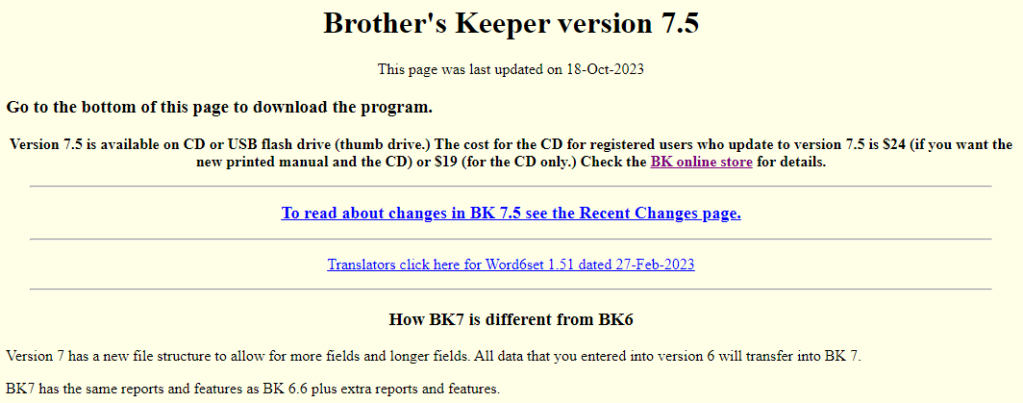
As Abraham read through the diary, he uncovered a reference to a port in New York where their ship had arrived. Inspired by this clue, he turned to the internet to search for immigration records from that time period. After countless hours of combing through digital archives, he finally discovered a passenger list that listed his great-great-grandfather’s name—Jonathan Anderson.

Jonathan’s name was nestled within a long list of other immigrants, his age recorded as 28 years old. Abraham’s heart raced as he read the details—Jonathan’s occupation, “farmer,” and his country of origin, “England.” It was a remarkable feeling to see his ancestor’s name etched into history, a tangible connection to the past.

With newfound excitement, Abraham dove deeper into his research. He visited local libraries, scoured historical newspapers, and reached out to genealogical societies. Piece by piece, he uncovered additional information about Jonathan’s life in America—land deeds, census records, and even a newspaper article highlighting his involvement in the local community.

Abraham’s journey took him across different states, tracing his great-great-grandfather’s footsteps. He walked the same streets Jonathan once walked, visited the church where he worshipped, and stood before the house that had sheltered generations of their family.

Throughout his search, Abraham discovered the stories of other immigrants who had sailed alongside Jonathan, forming a tight-knit community in their new home. He connected with distant relatives who shared their own family lore and treasured artifacts, deepening his understanding of his roots.

As Abraham pieced together his great-great-grandfather’s story, he felt a profound sense of gratitude for the sacrifices made by those who came before him. Jonathan’s courage to embark on a perilous journey in search of a better future had paved the way for generations to come.

Armed with a wealth of newfound knowledge, Abraham chronicled his discoveries in a beautifully bound family history book. It became a cherished heirloom, passed down through the generations, ensuring that Jonathan’s legacy and the tale of their family’s immigration would forever be remembered.

Abraham’s journey into the past not only enriched his understanding of his great-great-grandfather but also deepened his appreciation for the shared human experience of migration and the pursuit of a better life. And as he closed the chapter on this particular quest, he knew that his connection to his ancestors would continue to inspire and guide him on his own journey through life.

Where to Search Immigration Records for Genealogical Research

  1. Ancestry.com: Ancestry.com offers an extensive collection of immigration records, including passenger lists, naturalization records, and more. Subscription required.
  2. FamilySearch.org: FamilySearch, a free genealogy platform, provides access to a wide range of immigration records from around the world, including digitized passenger lists and naturalization records.
  3. Ellis Island Database: The Ellis Island Database (ellisisland.org) focuses on immigration to the United States, providing a searchable index of passenger arrival records from 1892 to 1924.
  4. National Archives and Records Administration (NARA): The National Archives website (archives.gov) offers resources and access to immigration-related records, such as naturalization records, ship passenger lists, and passport applications.
  5. Library of Congress: The Library of Congress website (loc.gov) features a wealth of historical resources, including immigration-related materials, such as photographs, maps, and digitized collections.
  6. The Statue of Liberty-Ellis Island Foundation: The foundation’s website (libertyellisfoundation.org) offers access to passenger arrival records, ship manifests, and immigration-related historical information.
  7. Cyndi’s List: Cyndi’s List (cyndislist.com) is a comprehensive directory of genealogical resources. It provides links to websites, databases, and archives that cover immigration records worldwide.
  8. Findmypast: Findmypast.com provides access to a vast collection of immigration and travel records from various countries, including passenger lists, naturalizations, and emigration records. Subscription required.
  9. Local Archives and Libraries: Visit local archives, libraries, and historical societies in the areas where your ancestors settled. They may have unique collections of immigration records and local resources.
  10. Ethnic-specific Websites: Explore ethnic-specific genealogy websites that focus on immigration and migration for particular groups, such as Irish, Italian, or German ancestry, as they often provide specialized resources and databases.

Remember to always verify the accuracy of the information found and cross-reference multiple sources to ensure a comprehensive and accurate family history.

Tracing your ancestors’ journey through immigration records is a captivating and illuminating aspect of genealogical research. By delving into passenger lists, naturalization records, and other immigration resources, you can piece together the puzzle of your family’s migration story, connecting with the trials and triumphs of those who came before you. So, grab your magnifying glass and embark on an exciting adventure to trace your ancestors’ footsteps across the seas of history.

Don’t forget to check out my new genealogy books on Amazon!

Discovering Your Past – The Genealogy Bible Vol 1 and Discovering Your Past – Charts & Forms Vol 2

Featured

A Journey into Heraldry

Coat of Arms, the iconic symbol of nobility and heritage, has captivated our imagination for centuries. Representing the unique identity and history of families, organizations, and individuals, these elaborate emblems are steeped in tradition and symbolism. In this blog article, we will explore the fascinating history of heraldry, delve into the legalities surrounding coat of arms, discuss where to obtain and display them, provide a list of websites for your convenience and I’ll share what I have been up to as well as some ideas to make and display your creation. Additionally, we’ll shed light on the appropriate costs associated with acquiring a coat of arms. Join us on this journey into the captivating world of ‘Coat of Arms’!

Heraldry, the practice of designing, granting, and displaying coats of arms, originated in medieval Europe. It was developed to differentiate knights in battle and tournaments, establishing a visual language that conveyed their identities, achievements, and allegiances. Over time, heraldry expanded beyond the nobility to include organizations, cities, and individuals, becoming a cherished part of their heritage. Today, the study of heraldry continues to thrive, providing a window into the past and a way to honor one’s lineage.

While heraldry is not regulated by law in most countries, there are certain legal considerations to keep in mind when acquiring and using a coat of arms. It is crucial to respect the intellectual property rights of existing coats of arms, as they may be owned by specific families or organizations. In some countries, such as the United Kingdom, there are official heraldic authorities responsible for granting and maintaining a coats of arms. If you wish to design or acquire a coat of arms, it is advisable to consult with a heraldic expert or research the relevant laws in your jurisdiction.

Where to obtain and display your ‘Coat of Arms’

a) The College of Arms (www.college-of-arms.gov.uk): Located in London, the College of Arms is the official heraldic authority for England, Wales, Northern Ireland, and much of the Commonwealth. They offer professional services for designing and granting coats of arms, ensuring their authenticity and historical accuracy.

b) The American College of Heraldry (www.americancollegeofheraldry.org): Established in the United States, the American College of Heraldry provides guidance and services related to heraldry. They can assist in creating custom coats of arms, providing historical research, and granting certificates of arms.

c) The Society of Heraldic Arts (www.heraldic-arts.com): This international organization promotes the study and practice of heraldry. They offer resources, workshops, and consultation services for those interested in designing or obtaining a coat of arms. Their website also features a directory of professional heraldic artists who can help bring your vision to life.

The cost of acquiring a coat of arms can vary depending on several factors, including the complexity of the design, the level of historical research involved, and the reputation of the heraldic expert or organization providing the service. Typically, the costs can range from a few hundred dollars to several thousand. It is essential to research and obtain quotes from reputable sources to ensure a fair price and quality service. Remember, a coat of arms is a lasting symbol of your heritage, and investing in its creation can be a worthwhile endeavor.

Coat of Arms is an enduring emblem that preserves the rich history and identity of families, organizations, and individuals. Understanding the history of heraldry, navigating the legalities, and knowing where to obtain and display a coat of arms can be an enriching experience. By exploring the suggested websites and understanding the associated costs, you can embark on your own personal journey to create a coat of arms that encapsulates your unique story. Embrace the noble tradition of heraldry and let your coat of arms become a symbol of your heritage for generations to come.

Embarking on a journey into genealogy can be a captivating experience, unravelling the mysteries of our past and connecting us to our roots. When I first delved into the world of genealogy with the information passed down from my mother, I was filled with a sense of curiosity and a desire to honor my family’s heritage. As a result, I decided to pursue the acquisition of my own Coat of Arms (COA). Although I initially approached it with a lighthearted attitude, my personal experience in obtaining a Coat of Arms through the Highland Heights company from England in 1979 left a lasting impression. (Note: The COA I did receive is a nice display piece even though I cannot lay claim to it. As far as I know I have no proof to it and I got it only for my last name.)

My Current Project

Displaying it proudly on my dining room wall, it became a cherished keepsake. Today, as I delve deeper into my genealogical journey, I am working on a carved leather design for a journal cover, adding a special touch to add it to my personal book titled “Discovering Your Past – Charts & Forms Vol 2.”

With my leather design completed, I am eagerly looking forward to the next step—stamping and tooling. Using special tools, I will meticulously craft the intricate details onto the leather surface. As I progress in this endeavor, I can feel a sense of fulfillment and anticipation building. Once the journal is finished, it will become a tangible symbol of my ongoing journey into genealogy—a repository of knowledge and a testament to the importance of preserving family history.

Once I have finished the leather carving and complete the journal I will update this blog later with new photos.

Ideas to Create Your Coat of Arms with Various Mediums

A Coat of Arms is a visual representation of your family history, values, and personal achievements. When it comes to crafting your own unique Coat of Arms, the choice of medium can significantly enhance the overall aesthetic and symbolism. While traditional mediums like painting or drawing are commonly used, there are several other exciting options to consider. In this article, we will explore some ideas to create your Coat of Arms using various mediums, including leather, wood carving, and more.

1. Leather offers a timeless and rustic appeal, making it an excellent choice for creating a distinctive Coat of Arms. You can emboss or carve your design onto the leather surface, adding depth and texture to your artwork. Consider using tools to create intricate patterns, symbolizing the values and heritage you wish to convey. A leather Coat of Arms can be displayed as wall art, incorporated into journal covers, or even crafted into accessories like wallets or keychains.

2. Wood carving is another traditional medium that allows for intricate detailing and a three-dimensional effect. Using chisels, knives, or wood-burning tools, you can sculpt your Coat of Arms onto various types of wood. The natural grain and warmth of wood lend a distinct character to the artwork. Consider the type of wood you choose, as different wood species have unique characteristics that can complement your design. A wood-carved Coat of Arms can be displayed on a wall, incorporated into furniture, or even crafted into personalized wooden signs.

3. If you prefer a medium that exudes elegance and durability, metalwork might be the perfect choice for your Coat of Arms. Options like brass, copper, or even silver can be used to create a stunning and long-lasting piece. Metalworking techniques such as etching, engraving, or casting can be employed to bring your design to life. A metal Coat of Arms can be displayed as wall art, mounted on plaques, or even incorporated into jewelry pieces like pendants or cufflinks.

4. In the digital age, creating a Coat of Arms digitally offers flexibility and accessibility. Using graphic design software, you can design and refine your Coat of Arms with precision. Digital art allows for endless possibilities, incorporating intricate details, vibrant colors, and complex symbolism. Once finalized, your digital Coat of Arms can be printed and displayed as wall art, incorporated into stationery or digital presentations, or even shared online as a digital representation of your heritage.

5. For those with a passion for textiles and needlework, creating an embroidered Coat of Arms can be a unique and intricate endeavor. Using various embroidery techniques such as cross-stitch, crewelwork, or goldwork, you can bring your design to life on fabric. Consider using rich threads, metallic threads, or even incorporating beads or sequins to add texture and dimension. An embroidered Coat of Arms can be framed as wall art, incorporated into pillows or tapestries, or even crafted into personalized patches or garments.

When it comes to creating your Coat of Arms, the medium you choose can elevate the visual impact and symbolism of your design. Whether you opt for the timeless appeal of leather, the intricacy of wood carving, the elegance of metalwork, the versatility of digital design, or the artistry of embroidery, each medium offers unique opportunities for personal expression. Consider your own artistic preferences, skills, and the message you wish to convey when selecting the medium for your Coat of Arms. Embrace the creativity and enjoy the process of crafting a visual representation that celebrates your heritage, values, and personal journey.

Don’t forget to check out my new genealogy books on Amazon!

Discovering Your Past – The Genealogy Bible Vol 1 and Discovering Your Past – Charts & Forms Vol 2

Dear readers,

Have you ever considered or created a special Coat of Arms? If so, I would love to hear about your unique design and the inspiration behind it. Whether it’s a representation of your family heritage, personal accomplishments, or simply a reflection of your passions, Coat of Arms hold a special place in our hearts and serve as a visual expression of our identity.

If you have crafted your own Coat of Arms, I invite you to share your creation and the story behind it. What symbols, colors, or elements did you incorporate, and why? Did you follow traditional heraldic guidelines or put your own creative twist on the design? Additionally, I’m curious to know how you display your Coat of Arms and what significance it holds in your life.

Please feel free to share your experiences, anecdotes, and any photos or descriptions of your Coat of Arms. I believe that each story is unique and that by sharing our creations, we can inspire and celebrate the diverse ways in which we honor our heritage and personal journeys.

I look forward to reading your responses and discovering the extraordinary Coat of Arms designs that have been crafted by our community.

Warm regards,

Darrell

Featured

A Hobby I Had As A Young Boy

I haven’t written any articles lately since publishing my new book and thought I would write something different and interesting.

Over the years, I have indulged in various hobbies that have brought me joy and fulfillment. Some of these hobbies may have remained hidden to my children and grandchildren, becoming cherished memories of my younger years. One such hobby that holds a special place in my heart is collecting comic books, which began during my childhood.

As a young enthusiast, I discovered the world of comic books and quickly became captivated by the vibrant artwork, captivating stories, and larger-than-life characters. My passion for comic book collecting blossomed, and it became an exciting adventure to seek out and add new issues to my growing collection.

One vivid memory that stands out is visiting my Uncle Bill and Aunt Alice’s home in Carnarvon, Ontario. It was there that I was introduced to a treasure trove of comics belonging to my cousin Brian. We would spend countless hours poring over the pages, immersing ourselves in the extraordinary adventures of superheroes, detectives, and everyday characters that became part of our imaginations.

In those moments, comics provided a bond between my cousin and me, allowing us to share our excitement and discuss the fascinating stories and artwork. It was not just about collecting the comics; it was the joy of reading, discussing, and imagining ourselves within those vibrant panels.

As time went on, my comic book collection grew, with titles ranging from Superman and Batman to Spider-Man and X-Men. Each issue held a world of possibilities and provided an escape into realms where imagination knew no limits.

There was a time when I would draw my favourite characters (even though they have been lost in time). Silly putty was a big thing as a kid as I would (like many other kids) transfer the cartoon onto the Silly Putty, it was cool back then.

Silly Putty is a non-toxic, stretchable, and moldable toy that is often enjoyed by both children and adults. It was originally created as a failed attempt to develop a synthetic rubber during World War II. Silly Putty is composed of a viscous, silicone-based polymer that exhibits unique physical properties.

This peculiar material has fascinating characteristics. It can stretch, bounce, and even act as a temporary adhesive, allowing it to pick up images from newspapers and comics when pressed onto them. Silly Putty is also known for its distinctive property called “drippy flow,” where it slowly oozes like a liquid over time.

The versatile nature of Silly Putty encourages creativity and playfulness. It can be squeezed, molded into various shapes, and used for fun activities like bouncing it, stretching it, or rolling it into a ball. It can also be used to transfer images, as mentioned earlier, making it a source of amusement for kids and collectors alike.

Although Silly Putty’s primary purpose is for entertainment and stress relief, it has also found practical applications in fields such as physics and engineering. Researchers have utilized its unique properties to simulate various physical phenomena, such as modeling earthquakes or studying materials science.

Silly Putty has become an enduring classic in the world of toys, captivating generations with its squishy and malleable nature. Its ability to provide tactile stimulation and unleash the imagination has made it a beloved and nostalgic item for many, serving as a timeless reminder of carefree playfulness.

Now, as I reflect on those early years, I realize that my children and grandchildren may not be aware of this particular hobby that brought me so much delight. However, it is a part of my personal history, a reminder of the things that sparked my imagination and helped shape my love for storytelling and art.

While my focus may have shifted to other hobbies and interests over the years, the memories of collecting and reading comics remain cherished. Perhaps sharing these stories with my children and grandchildren will not only provide a glimpse into my own past but also inspire them to explore their own hobbies and passions, forging their unique paths of discovery and joy.

As we navigate the complexities of life, it is through hobbies and shared experiences that we can connect across generations, bridging the gap between past and present, and fostering a deeper understanding of the passions that shape who we are.

I may be revealing my age, but as a young kid growing up in the vibrant 1960s, my passion for comics knew no bounds. Those colorful pages held countless adventures that fueled my imagination and taught me valuable lessons along the way. I fondly recall my stacks of comics, amassed through purchases, collections, borrowing, and exciting trades with friends. In this article, we’ll journey back in time and revisit some of the comics I immersed myself in, hoping to spark cherished memories or ignite new ones within you.

  • Superheroes Galore: The realm of superheroes was my gateway to thrilling escapades. Marvel and DC Comics ruled the scene, introducing me to iconic characters like Superman, Batman, Spider-Man, and the Fantastic Four. Their extraordinary powers and unwavering determination inspired me to embrace bravery, justice, and the belief that even the smallest of individuals could make a difference.
  • Archie Comics: In the quaint town of Riverdale, the beloved Archie and his pals entertained me with their humorous misadventures, teenage romances, and the eternal love triangle between Archie, Betty, and Veronica. The lighthearted stories and relatable characters provided a delightful escape into the ups and downs of adolescence.
  • Classic Disney: The enchanting world of Disney came alive within the pages of comics, where I joined Mickey Mouse, Donald Duck, and their friends on magical journeys. Whether they were exploring ancient ruins, battling wicked witches, or simply enjoying whimsical adventures, these tales showcased the importance of friendship, perseverance, and the wonder of imagination.
  • Cartoon Stars: Comics featuring beloved cartoon characters further enriched my reading experience. Bugs Bunny, Daffy Duck, Tom and Jerry, and the Flintstones brought laughter and joy as their amusing antics unfolded before my eyes. Their witty banter and hilarious mishaps never failed to brighten my day.
  • Action-Packed War Comics: The war comics of the 1960s, such as Sgt. Fury and His Howling Commandos and G.I. Joe, transported me to battlefields where heroism and camaraderie triumphed over adversity. These gripping tales, often inspired by real-world conflicts, conveyed the resilience, sacrifice, and bravery of soldiers fighting for freedom.

Reflecting on those cherished comics of yesteryear brings a wave of nostalgia, reminding me of the countless hours spent flipping through pages and immersing myself in the colorful worlds they depicted. I hope this article sparks similar fond recollections within you, whether you share the same memories or discover new comics to explore. So let’s embark on this journey together, diving into the comics that shaped our younger years and relishing the memories they bring or the new adventures they may inspire.

As a kid growing up in the 1960s, I was fortunate to be surrounded by a diverse array of comics that sparked my imagination and brought me joy to my days. The comic book landscape during that time was bursting with colorful characters and thrilling stories, offering a wide range of choices to young readers like myself. Among the many comics I enjoyed, a few stand out prominently.

The world of comics has been graced with a host of iconic characters, each bringing their unique charm and humor. Bugs Bunny, Daffy Duck, Donald Duck, and Mickey Mouse, beloved stars of cartoons and movies, have also made their mark in the realm of comic books, enchanting readers of all ages with their mischievous antics and lovable personalities.

Bugs Bunny, the wise-cracking hare with an insatiable appetite, captured hearts through his quick wit and clever schemes. In the pages of comics, Bugs Bunny’s adventures took on new dimensions, transporting readers to whimsical worlds where he outsmarted his adversaries and entertained with his signature catchphrases like “What’s up, Doc?”

Daffy Duck, with his zany and unpredictable nature, provided endless laughter. From his exaggerated expressions to his comedic timing, Daffy Duck’s comic book appearances showcased his irresistible charisma. Whether he was chasing fame and fortune or finding himself caught in amusing predicaments, Daffy Duck’s misadventures never failed to entertain.

Donald Duck, the easily frustrated but endearing character, won the hearts of readers with his distinct voice and lovable quirkiness. Donald’s comic book escapades often featured his mischievous nephews Huey, Dewey, and Louie, adding to the humor and mayhem. The stories highlighted Donald’s determination, resilience, and occasional temper tantrums, creating relatable and comical situations.

Mickey Mouse, the iconic symbol of the Walt Disney Company, took the comic book world by storm. With his infectious optimism and adventurous spirit, Mickey Mouse captured the imagination of readers worldwide. Whether he was embarking on daring quests or finding himself in humorous predicaments, Mickey’s comic book stories celebrated friendship, bravery, and the joy of exploration.

These classic characters not only entertained readers but also taught valuable life lessons. Through their stories, readers learned about the importance of friendship, resilience, and finding humor in challenging situations. The comics featuring Bugs Bunny, Daffy Duck, Donald Duck, and Mickey Mouse were a gateway to imagination, encouraging readers to embrace their creativity and find joy in the simplest of things.

The enduring popularity of these characters is a testament to their timeless appeal. From the golden age of comics to the present day, Bugs Bunny, Daffy Duck, Donald Duck, and Mickey Mouse have delighted audiences across generations. Their legacy in the comic book medium continues to inspire and entertain, reminding us of the power of laughter and the enduring magic of beloved characters that have become ingrained in popular culture.

So, whether it’s the clever quips of Bugs Bunny, the zany antics of Daffy Duck, the unpredictable adventures of Donald Duck, or the endearing charm of Mickey Mouse, these classic comic book characters have left an indelible mark on the hearts of readers, ensuring that their laughter-filled tales will continue to bring joy for years to come.

Some Other Comics I’ve Read

The world of Riverdale came to life through the pages of “The Archie’s” comics, introducing you to the lives and adventures of Archie Andrews, Betty Cooper, Veronica Lodge, and their friends. The relatable high school tales, peppered with humor and a touch of romance, provided a delightful escape into the lives of these iconic characters.

“Casper the Friendly Ghost”: The gentle spirit known as Casper touched your heart with his friendly demeanor and his desire to bring happiness to those he encountered. The whimsical adventures of Casper, along with his ghostly companions, transported you to a world where kindness and friendship triumphed over fear and misunderstanding.

Diving into the depths of the sea, you embarked on thrilling adventures alongside the underwater superhero Aquaman. His ability to communicate with marine life and protect the oceans resonated with your love for aquatic creatures and fueled your imagination as you joined him on quests to defend the seas.

The blind superhero Daredevil, with his acrobatic skills and heightened senses, captured your imagination and took you on adrenaline-pumping escapades through the gritty streets of Hell’s Kitchen. The dynamic storytelling and intricate moral dilemmas of Daredevil’s world made for riveting reads that left a lasting impression.

Immersing you in the thrilling world of military adventures and heroic combat. These titles offered a glimpse into the lives of brave soldiers, showcasing their courage, camaraderie, and unwavering dedication to protecting freedom.

The “G.I. Joe” comics introduced you to an elite team of soldiers who fought against the forces of evil, defending justice and freedom around the world. The gripping stories, combined with intricate missions and cutting-edge weaponry, allowed you to witness the triumphs and struggles of these real American heroes. From Duke and Scarlett to Snake Eyes and Storm Shadow, the characters in “G.I. Joe” inspired you with their bravery and commitment to the greater good.

In the action-packed pages of “Sgt. Fury and His Howling Commandos,” you experienced the intensity and sacrifice of World War II through the eyes of Nick Fury and his band of fearless soldiers. The tales of their daring exploits behind enemy lines showcased the resilience and valor of the Allied forces. Through the camaraderie of the Howling Commandos, you witnessed the power of teamwork and the indomitable spirit of those who fought for freedom.

In the realm of superheroes, the caped crusader Batman and his trusted sidekick Robin captured your imagination. The dark and brooding world of Gotham City, plagued by crime and corruption, served as the backdrop for their adventures. Batman’s detective skills, gadgets, and unparalleled combat abilities fascinated you, while Robin added youthful energy and enthusiasm to their crime-fighting escapades. Together, they exemplified the power of justice, resilience, and the pursuit of a safer world.

Superman – The Man of Steel: A Timeless Icon of Heroism

My favorite growing up was Superman, and as I look back I wonder if my parents read these comics when they were young kids.

Reading DC Superman comics in the 1940s and 1950s likely had a limited direct impact on our ancestors’ genealogy. While comics can influence popular culture and shape personal interests, their direct effect on genealogical aspects such as family history, lineage, or genetic traits is typically minimal. However, it’s important to remember that personal experiences and interests can contribute to one’s broader cultural and social context, which might indirectly shape family dynamics and values over time.

Superman comics were created primarily as a form of entertainment and storytelling. The character of Superman was introduced in 1938 by writer Jerry Siegel and artist Joe Shuster, published by DC Comics. Superman was a response to the growing demand for superhero stories during that era.

My Dad was born in 1933 and was 5 years old when the first issue was released in 1938. I would like to think that he had and I wish I had talked to him more when he was growing up because he passed away in 2000.

The creators of Superman aimed to offer readers an iconic and aspirational character with extraordinary abilities, fighting for justice and protecting the innocent. The success of Superman comics led to the establishment of the superhero genre and paved the way for numerous other beloved characters and stories in the comic book medium.

DC Superman Comics, with their iconic red and blue-clad hero, have enthralled readers for decades. Beyond their captivating stories and stunning illustrations, these comics hold a special place in the hearts of many, including our ancestors.

In this blog article, we delve into the creation of Superman comics and explore the potential impact they had on the lives of those who came before us.

When Superman first burst onto the comic book scene in 1938, it forever altered the landscape of the medium. Born out of a desire to captivate readers with a character of immense power and unwavering justice, Superman quickly became an overnight sensation. His superhuman abilities, secret identity as Clark Kent, and moral code resonated deeply with audiences, drawing them into a world of imagination and heroism.

During the 1940s and 1950s, when our ancestors were reading Superman comics, the world was undergoing significant changes. World War II had ended, but the anxieties of the Cold War era prevailed. In this tumultuous period, comics, including Superman, offered a much-needed escape from reality. The colorful pages transported readers to a realm where good triumphed over evil and justice prevailed. Superman’s unwavering commitment to truth and fairness instilled a sense of hope and inspiration, providing a refuge from the uncertainties of the time.

While the direct impact of Superman comics on genealogy may be limited, they undoubtedly left an indelible mark on our ancestors’ cultural and social context. The rise of superheroes in popular culture, spearheaded by Superman, influenced various aspects of society. The comics sparked the imaginations of young and old alike, fostering a sense of wonder and adventure. Superman’s values, such as truth, justice, and compassion, became embedded in the collective consciousness, shaping the moral fabric of communities.

Superman comics also played a role in fostering family bonds and shared experiences. Parents and children would gather to read and discuss the latest adventures of the Man of Steel. These shared stories became a bridge between generations, fostering connections and passing down the love for Superman from one family member to another. The comics sparked conversations and ignited imaginations, providing a common ground for discussions and creating cherished memories.

DC Superman Comics, since their creation, have captivated audiences with their tales of heroism and extraordinary feats. While their direct impact on genealogy may be limited, their influence on our ancestors’ lives was far-reaching. Superman comics provided a form of escapism, inspiration, and shared experiences, shaping the cultural and social fabric of the time. As we reflect on the legacy of Superman, we can appreciate the enduring power of storytelling and the way it connects generations, reminding us of the indomitable human spirit and the universal values of truth and justice.

Who Was Superman?

Superman, who stands tall as the epitome of heroism and the embodiment of hope. The ‘Man of Steel’, with his iconic blue suit, red cape, and the symbol of the House of El emblazoned on his chest, has captivated readers for generations.

Superman’s origins lie on the distant planet of Krypton, where he was born as Kal-El. Sent to Earth as an infant by his parents, Jor-El and Lara, he was raised by the loving Kent family in Smallville. As Clark Kent, he navigates the challenges of everyday life while secretly using his incredible powers to protect the innocent and uphold justice.

Superman’s unwavering commitment to truth, justice, and the American way has made him an enduring symbol of heroism. His superhuman abilities, including super strength, speed, flight, and heat vision, have made him an unstoppable force against villains and threats to humanity.

However, what truly sets Superman apart is his compassionate nature and his unwavering moral compass. He is a beacon of hope, inspiring others with his selfless acts and relentless pursuit of a better world. Whether he’s rescuing innocent civilians from danger or standing up against injustice, Superman represents the embodiment of noble virtues and the triumph of good over evil.

Over the years, Superman’s adventures have spanned comic books, television shows, films, and various forms of media. His enduring popularity lies in his ability to transcend time and resonate with audiences of all ages. Superman is not just a superhero; he represents the innate human desire for a savior, someone who can inspire us to be better and remind us of the power of truth and justice.

So, embrace your love for Superman and continue to be inspired by his unwavering heroism. Let his example remind you that with strength, compassion, and an unwavering commitment to truth, justice, and the pursuit of a better world, you too can soar to new heights and make a difference.

As one of my favourite characters, Superman holds a special place in my heart. Through his stories, I have witnessed epic battles against formidable foes like Lex Luthor and General Zod, and experienced the emotional depth of his struggles to balance his dual identity and personal relationships.

Superman’s legacy is more than just a fictional character; it symbolizes the potential for greatness within each of us. The ‘Man of Steel’ reminds us that even in our own lives, we can strive to be a force for good, to protect the weak, and to make a positive impact in the world.

During the tumultuous era of World War II, Superman emerged as a symbol of hope and inspiration for children around the world. As the war ravaged nations and families were torn apart by conflict, the Man of Steel provided a ray of light in the darkest of times.

Superman comics became a refuge for children, offering an escape from the harsh realities of war. The stories of this extraordinary superhero, with his unmatched strength and unwavering dedication to justice, instilled a sense of courage, resilience, and the belief that good would ultimately triumph over evil.

Through the pages of Superman comics, children witnessed the embodiment of heroic ideals. Superman’s selfless acts of bravery, his unwavering commitment to protecting the innocent, and his indomitable spirit resonated deeply with young readers who longed for a sense of security and stability in an uncertain world.

Superman became an aspirational figure for children during this time. They looked up to him as the embodiment of strength and righteousness, and his character served as a moral compass in a world filled with chaos and uncertainty. His steadfast determination to fight injustice and protect the weak resonated with children who sought solace and hope in the face of adversity.

In addition to the character of Superman himself, the stories often featured themes of unity, perseverance, and the triumph of good over evil. Children found solace in the tales where Superman, along with other heroes, would band together to defeat powerful adversaries. These narratives showcased the power of teamwork and the belief that, even in the face of overwhelming odds, individuals working together could bring about positive change.

Superman comics also served as a unifying force for children during the war. Through their shared love for the Man of Steel, children found common ground, forming bonds and friendships that transcended geographical boundaries and cultural differences. The stories provided a sense of community, a shared experience that brought children together in their admiration for a hero who represented the best qualities of humanity.

In a time marked by fear and uncertainty, Superman was a symbol of resilience and hope. He reminded children that even in the darkest of times, they could find strength within themselves to stand up against injustice and make a positive impact. The ideals embodied by Superman during World War II left an indelible mark on the hearts and minds of countless children, shaping their values and inspiring them to become heroes in their own right.

As we look back at the role Superman played during World War II, we recognize the profound impact he had on children who sought solace, inspiration, and a beacon of hope. Superman served as a reminder that, even in the face of unimaginable challenges, the human spirit could rise above adversity and strive for a better future.

Did you or your ancestors read comics? If so, what comics did they read?

Comics have been a beloved form of entertainment for generations, captivating readers with their vibrant illustrations and captivating stories. As we explore our own family histories, it’s intriguing to discover the comics that held a special place in the hearts of our ancestors. Whether it was the Golden Age classics like Superman, Batman, or Wonder Woman, or the Silver Age gems like Spider-Man, X-Men, or The Fantastic Four, comics have left an imprint on the lives of many. So, did you or your ancestors delve into the colorful pages of comics? If so, we would love to hear about the comics that sparked their imaginations and became part of their cherished memories. Share your stories and let us unravel the rich tapestry of comic book nostalgia that connects us across generations.

Superman – The Man of Steel: A Timeless Icon of Heroism

Download the 1st copy of DC Superman June 1938 – pdf

Download Issue 221 – DC Comics (10/1956) – pdf (Issue that was released the month I was born)

If you’re a comic book fanatic and would like more Superman issues to read in pdf format, contact me.

Also:

Don’t forget to check out my new genealogy books on Amazon!

Discovering Your Past – The Genealogy Bible Vol 1 and Discovering Your Past – Charts & Forms Vol 2

Featured

A Step-by-Step Guide in Creating Your Own Pedigree Chart

One of the first things you should do before conducting your ancestral research is make a Pedigree Chart. This can be your starting point and once that is done then start making your Family Group Sheets.

Pedigree charts are invaluable tools for genealogical research, helping you visualize and understand your family’s lineage. While there are pre-designed pedigree charts available for download, creating your own can provide a personalized touch and cater to specific needs. In this blog post, we’ll explore where to download charts and provide a step-by-step guide on how to make your own pedigree chart.

Where to Download Pedigree Charts:

Before diving into creating your own chart, it’s worth mentioning that there are various websites and software programs where you can download pre-designed pedigree charts. Some popular options include:

1. FamilySearch: FamilySearch.org offers a range of free printable pedigree chart templates in different formats and styles.

2. MyHeritage: MyHeritage.com provides both free and premium downloadable pedigree charts, allowing you to customize and print them according to your preferences.

3. Ancestry: Ancestry.com also offers free downloadable pedigree charts in PDF format, which can be filled in digitally or printed out for manual completion.

Creating Your Own Pedigree Chart:

If you prefer a more hands-on approach and want to create your own pedigree chart from scratch, follow these steps:

Step 1: Determine the Format:

Decide whether you want to create a digital chart using software or a physical chart on paper. Digital charts allow for easier editing and sharing, while physical charts provide a tangible representation of your family tree.

Step 2: Select a Design:

Consider the level of detail you want to include in your chart. Choose a design that suits your preferences and provides ample space for names, dates, and additional information. Simple, clean designs often work best for readability.

Step 3: Gather Information:

Collect accurate and comprehensive information about your family members, including full names, birth dates, marriage dates, and any other relevant details. Use official records, family interviews, and genealogical research to ensure accuracy.

Step 4: Determine Generations:

Decide how many generations you want to include in your chart. Start with yourself and work backward, including parents, grandparents, great-grandparents, and so on. This will determine the size and complexity of your chart.

Step 5: Sketch the Chart:

If you’re creating a physical chart, use a large piece of paper or a poster board. Begin by drawing a square or a circle to represent yourself or the person you are starting with. Connect the squares or circles vertically for parents and horizontally for siblings. Continue the pattern for each generation.

Step 6: Add Information:

Write the names, birth dates, and any other pertinent details inside each square or circle. Use a consistent format for dates (e.g., dd/mm/yyyy or month/day/year) and ensure legibility.

Step 7: Enhance the Chart:

Consider using color coding or symbols to represent different branches of the family or to denote specific information, such as deceased individuals or adopted members. This can aid in visual clarity.

Step 8: Review and Update:

Regularly review and update your pedigree chart as new information becomes available. This will ensure its accuracy and maintain a comprehensive representation of your family’s history.

Using Canva to Create Your Pedigree Chart

If you have a Canva account, you can use Canva to create your pedigree chart. Canva is a versatile graphic design tool that offers various templates and customization options.

I created a family tree ‘Pedigree Chart’ and I was quite impressed with what I made in a matter of 2 hours. Anyone can make one and they can call it their own.

Here’s a step-by-step guide on how to make a pedigree chart using Canva:

By following these steps, you can create a personalized and visually appealing pedigree chart using Canva, showcasing your family’s lineage in a professional and creative way.

1. Sign up and Log in: Visit Canva’s website (canva.com) and create an account or log in if you already have one.

2. Choose a Template: Once you’re logged in, search for “pedigree chart” in Canva’s template library. Browse through the available options and select a template that appeals to you. Alternatively, you can start with a blank canvas and create your own design from scratch.

3. Customize the Template: After selecting a template, you can customize it to suit your needs. Double-click on each element to edit the text and replace it with the names, dates, and other information of your family members. Canva offers various font styles, sizes, and colors to choose from, allowing you to personalize the chart.

4. Add Shapes and Lines: To represent the connections between family members, use Canva’s shape and line tools. Add squares or circles to represent individuals and use lines to connect them vertically for parents and horizontally for siblings. You can adjust the size, color, and thickness of the shapes and lines as desired.

5. Incorporate Colors and Images: Canva provides a wide range of color options and allows you to upload images to enhance your chart. Consider using color coding to differentiate generations or branches of the family. You can also include photos of family members to make the chart more visually appealing and personal.

6. Include Additional Information: If you have additional details to add, such as birth dates, marriage dates, or other notes, Canva’s text and shape tools allow you to incorporate these elements. You can position them near the respective individuals or use callout boxes to provide additional context.

7. Review and Finalize: Once you have added all the necessary information and made desired customizations, review your pedigree chart for accuracy, legibility, and visual appeal. Make any necessary adjustments or edits to ensure everything is in order.

8. Save and Export: Once you are satisfied with the final result, save your pedigree chart in Canva. You can download it in various file formats, such as PDF or JPEG, depending on your intended use. You can also choose to print it directly from Canva or share it digitally with your family members.

Creating your own pedigree chart can be a rewarding experience, allowing you to visually map out your family’s heritage and preserve it for future generations. Whether you choose to download a pre-designed chart or create your own from scratch, the key is to ensure accuracy, organization, and clarity. By following the step-by-step guide provided in this blog post, you’ll be well on your way to creating a personalized pedigree chart that serves as a treasured keepsake of your family’s lineage.

Below is 2 sample Pedigree Charts, one for the husband’s family and one for the wife’s family. Let your imagination go and see what you can come up with.

Let me know your creations! These Pedigree Charts were fun to make, get your kids involved and make a unique family chart.
Featured

‘Discovering Your Past’ Book Series

Unveiling Your Genealogical Journey

Update: 11 Jun 2023 – Release Date will be 1 Jul 2023 – Ready for Canada Day and Independence Day for all you family historians 😃

Good day to all genealogy enthusiasts! I have been busy for about 6 months working on a new book series. I am sure you will find it enlightening and exhilarating to pursue.

Embarking on a quest to uncover our family history is a captivating endeavor that connects us to our roots and helps us understand our place in the world. I am thrilled to announce the upcoming release of two highly anticipated books: ‘Discovering Your Past – The Genealogy Bible Volume 1’ and ‘Discovering Your Past – Charts and Forms Volume 2’.

In this blog article I will unveil the essence of these remarkable publications, which are set to become essential resources for every aspiring family historian.

Book 1: ‘Discovering Your Past – The Genealogy Bible Volume 1’
In this comprehensive guidebook, ‘Discovering Your Past – The Genealogy Bible Volume 1’, readers will embark on a journey through the fascinating world of genealogy research. From the fundamental principles of genealogy to advanced techniques and DNA testing, this book serves as an invaluable resource for anyone seeking to uncover their ancestral heritage. Packed with practical advice, case studies, and expert tips, Volume 1 offers a roadmap to navigate the vast landscape of genealogical research, providing readers with the tools they need to embark on their own remarkable family history discoveries.

Book 2: ‘Discovering Your Past – Charts and Forms Volume 2’
Building upon the foundation established in Volume 1, ‘Discovering Your Past – Charts and Forms Volume 2’ is a practical workbook designed to assist family historians in organizing and documenting their findings. This companion volume offers an extensive collection of charts, forms, and templates, meticulously crafted to help researchers record and visualize their family trees, research logs, pedigree charts, and more. With these beautifully designed resources at hand, readers can maintain clear and concise records, ensuring accuracy and facilitating further exploration into their family history.

Release Date and Editions:
The release of ‘Discovering Your Past – The Genealogy Bible Volume 1’ and ‘Discovering Your Past – Charts and Forms Volume 2’ will mark a significant milestone for family historians and genealogy enthusiasts alike. Volume 1 will be available in Kindle, paperback and hardcover editions while Volume 2 will only be available in paperback and hardcover editions. The paperback and hardcover editions will both be available in 8 1/2″ X 11″ formats and will allow readers to choose the format that best suits their needs and preferences. Stay tuned for the official release date announcement (which will be very soon), as these invaluable resources prepare to grace the shelves of Amazon bookstores and the collections of passionate researchers around the globe.


The upcoming release of ‘Discovering Your Past – The Genealogy Bible Volume 1’ and ‘Discovering Your Past – Charts and Forms Volume 2’ is cause for excitement in the world of genealogy research. These two books (900 -pages), part of a captivating set, offer a comprehensive guidebook and an essential workbook for family historians at any stage of their research journey. Whether you are just starting or have years of experience, these volumes will equip you with the knowledge, tools, and resources needed to delve deeper into your family’s past and unlock the hidden stories of your ancestors. Keep an eye out for the official release date, and get ready to embark on a fulfilling and enlightening genealogical adventure with the ‘Discovering Your Past’ book series.
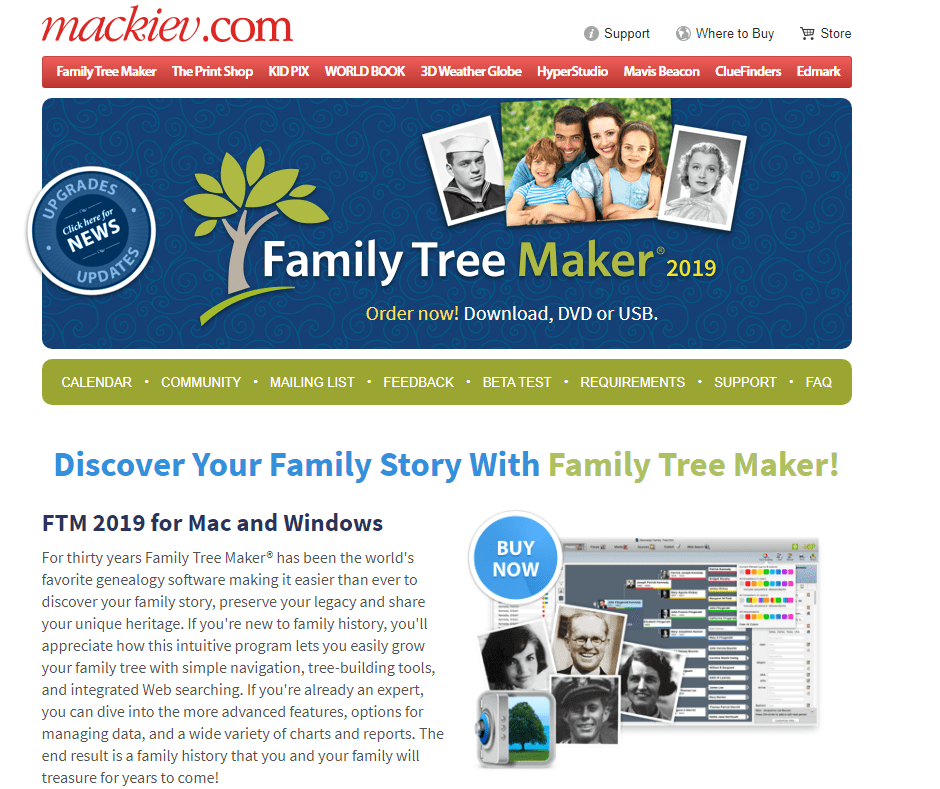
If you know of someone who wants to learn more about their family history, please direct them to this blog and let them know these resources will be available very soon.

Update: 11 Jun 2023 – Release Date will be 1 Jul 2023 – Ready for Canada Day and Independence Day for all you family historians 😃

Thank You

Featured

Unveiling Our Multicultural Heritage: Exploring Different Cultures Through Genealogy

Genealogy is a fascinating journey that takes us deep into our family roots and history. It is a process that goes beyond borders and embraces the multicultural nature of our society. In today’s diverse world, genealogy has become more than just tracing our own lineage; it has become a way to explore and understand different cultures, traditions, and identities.

In the past, genealogy was often focused on discovering one’s own heritage and lineage within a specific cultural context. However, as our societies become more interconnected and diverse, the importance of researching and understanding different cultures has become paramount. Genealogy allows us to delve into the rich tapestry of our collective heritage, encompassing various ethnicities, nationalities, and traditions.

By researching different cultures through genealogy, we gain a broader perspective on our own identities and the world around us. It helps us understand the complexities of our multicultural society and fosters a sense of empathy and appreciation for diverse backgrounds. Genealogy becomes a tool for breaking down barriers, promoting inclusivity, and fostering connections between people of different cultures.

The process of researching different cultures within genealogy involves exploring historical records, documents, and oral traditions specific to various regions and ethnicities. It may require delving into immigration records, census data, military records, and other resources that shed light on the experiences and journeys of our ancestors. This journey of discovery allows us to reconstruct the narratives of our family members and gain a deeper understanding of their lives within the context of their cultural heritage.

Through genealogy, we can uncover fascinating stories of migration, assimilation, cultural preservation, and adaptation. It allows us to trace the footsteps of our ancestors across different continents, understanding the challenges they faced and the contributions they made to the societies they became a part of. This process brings us closer to our heritage and helps us appreciate the diversity that enriches our world.

Furthermore, genealogy can be a powerful tool for promoting cultural understanding and bridging divides. By engaging in genealogical research that encompasses different cultures, we develop a greater respect for the traditions, customs, and histories of others. It encourages us to celebrate our shared humanity and recognize the interconnectedness of our stories.

In a rapidly changing and globalized world, genealogy serves as a reminder of the importance of cultural heritage and the value of embracing diversity. It enables us to explore, honor, and preserve the cultural tapestry that shapes our identities. By engaging in a multicultural genealogical process, we embark on a transformative journey of self-discovery and appreciation for the rich mosaic of humanity.

So, let us embrace the multicultural process of genealogy, as it opens doors to new perspectives, fosters connections across cultures, and enhances our understanding of who we are in the broader context of our diverse world. Through the exploration of different cultures, we embark on a journey of self-discovery that expands our horizons and enriches our lives.

Featured

Tips for Beginning Your Genealogy Journey

As a new family historian, starting your genealogy research can seem daunting. With so much information available and so many ancestors to trace, it can be difficult to know where to begin. However, the best place to start is with yourself. By starting with yourself and working backwards, you can begin to gather information, identify gaps in your knowledge, and start to build your family tree. In this article, we will provide you with a detailed checklist to help you get started on your genealogy journey by starting with yourself.

Below is a checklist for ‘Starting With Yourself’ in your genealogy journey in ‘Discovering Your Past’:

1. Gather your personal information: Start by collecting your full name, date and place of birth, marriage details, and the names and birth details of your parents and siblings.

2. Collect important documents: Gather any important documents related to your family history, such as birth certificates, marriage certificates, and death certificates. These documents can help you verify information and provide clues for further research.

3. Talk to family members: Reach out to your relatives, especially older family members, and ask them about their memories and stories related to the family history. Take notes of their responses and record them for future reference.

4. Organize your information: Keep your information and documents organized in a system that works for you. Consider using a genealogy software program, a filing system, or a digital platform to store your records.

5. Research online databases: Use online resources, such as Ancestry, MyHeritage, or FamilySearch, to research your family history. These websites can provide access to census records, immigration records, military records, and other resources.

6. Visit local archives and libraries: Check local archives and libraries in the areas where your ancestors lived to search for records, such as deeds, wills, and probate records.

7. Join a genealogy group: Join a local genealogy group or online community to connect with others who share your interests and to learn from their experiences and knowledge.

8. Attend genealogy conferences and events: Attend genealogy conferences and events to learn about new resources, techniques, and strategies for researching your family history.

9. Be patient and persistent: Genealogy research can be time-consuming and frustrating, but don’t give up. Keep searching and stay patient and persistent.

10. Document your research: As you gather information and make discoveries, document your research and keep detailed records. This will help you avoid duplicating your efforts and provide a clear record of your progress and findings.

By gathering your own information and documents, organizing your research, and reaching out to family members and online resources, you can begin to uncover your family history and build a more complete picture of your family’s past.

Here is a checklist of items, and documents that you should have when starting with yourself:

1. Full name and any other names used in the past

2. Date and place of birth

3. Marriage certificates or other relevant documents

4. Divorce certificates or other relevant documents

5. Death certificates or other relevant documents

6. Education and work history

7. Military service records, if applicable

8. Citizenship or naturalization papers, if applicable

9. Passport and travel documents, if applicable

10. Address history

11. Personal and family photographs

12. Family Bibles or other family records

13. Letters, diaries, and other personal documents

14. Health and medical records, including immunizations and illnesses

15. Any other important life events or documents that may provide insight into your family history.

In conclusion, starting with yourself is the first and most important step in genealogy research. By following the checklist outlined above, you can gather and organize your own information in a way that will make it easier to move on to researching your ancestors. Remember to start with what you know, gather documents and artifacts from your family, and connect with living relatives to fill in any gaps. By taking the time to properly document and organize your own information, you will set yourself up for success in discovering the stories and histories of your ancestors. Good luck on your genealogy journey!

Featured

All About The Census

Censuses are a valuable tool for genealogists and family historians looking to trace their family lineage and history. A census is a count of the population of a particular area or region taken at a specific point in time. Censuses are conducted regularly by governments around the world, and they collect a wide range of information about the individuals and families living in that area. The data collected in censuses can include names, ages, occupations, relationships, birthplaces, and more, providing a wealth of information that can be used to piece together family histories and genealogies. In this digital age, many censuses are now available online, making it easier than ever before to access this valuable resource and delve into your family’s past.

What is a census?

A census is an official count or survey of a population, usually carried out by a government or other authorized organization. It typically involves collecting demographic information about individuals and households, such as age, sex, race, ethnicity, education, occupation, and housing. Censuses are conducted periodically, usually every 10 years, and are used to provide data for planning and policy-making purposes, as well as for research and genealogy. Census data can also be used to allocate political representation and funding, and to measure changes in population over time.

Censuses are an excellent resource for genealogy research. They can provide a wealth of information about your ancestors, including their names, ages, occupations, birthplaces, and marital status. Censuses can also help you track your ancestors over time, seeing where they lived and who they lived with. This can help you build a more complete picture of your family history and potentially uncover new ancestors or connections. Additionally, censuses can provide contextual information about the time and place your ancestors lived in, including population trends, economic conditions, and more. Overall, censuses are an essential tool for anyone interested in exploring their family history.

You can download blank census forms for the United States from the National Archives website. They have PDF versions of the census forms for 1790, 1800, 1810, 1820, 1830, 1840, 1850, 1860, 1870, 1880, 1900, 1910, 1920, and 1930 available for download. Here is the link to the page where you can find and download the census forms: https://www.archives.gov/research/genealogy/census/forms

In Canada, you can download blank census forms from the Library and Archives Canada website. They have PDF versions of the census forms for 1851, 1861, 1871, 1881, 1891, 1901, 1911, and 1921 available for download. Here is the link to the page where you can find and download the census forms: https://www.bac-lac.gc.ca/eng/census/Pages/census-forms.aspx

Also, in England, you can download blank census forms from the National Archives website. They have PDF versions of the census forms for 1841, 1851, 1861, 1871, 1881, 1891, 1901, and 1911 available for download. Here is the link to the page where you can find and download the census forms: https://www.nationalarchives.gov.uk/help-with-your-research/research-guides/census-records/#6-blank-census-forms

For Australia, the website for the National Archives of Australia is www.naa.gov.au. They have blank census forms available for download on their website.

What you need to know about using censuses in your research?

If you are planning to use censuses for genealogical research, here are a few things you need to keep in mind:

  1. Understand the columns: Each census will have different columns, and it is important to understand what information is recorded in each column. This will help you interpret the data correctly and avoid misinterpreting or overlooking valuable information.
  2. Keep track of dates: The census is conducted every 10 years in most countries, so it is important to keep track of the dates when each census was conducted. This will help you know which census to look at for a particular time period.
  3. Look at the original document: It is always a good idea to look at the original document rather than relying on transcriptions or indexes. This will help you spot errors, understand the context better, and sometimes find additional information that was not recorded in the index.
  4. Verify the information: Always try to verify the information you find in censuses with other sources, such as birth, marriage, and death records, to ensure accuracy.
  5. Be aware of privacy laws: In some countries, census records are restricted by privacy laws and may not be available for a certain number of years. Make sure you are aware of any restrictions before you begin your research.
  6. Understand handwriting: Censuses are often handwritten, and the handwriting can be difficult to read. It is important to take the time to learn how to read old handwriting to avoid misinterpreting information.
  7. Use a variety of sources: While censuses are a valuable source of information, they should be used in conjunction with other sources, such as vital records, wills, probate records, and other documents, to build a complete picture of your ancestors’ lives.

What information was collected on censuses? 

The information collected on the census varied by year and country. Below is some information that was collected on some censuses from the US, Canada, England and Australia. 

1850 US Census

This census from 1850 collected more detailed information compared to earlier censuses. It included the following columns:

1. Dwelling-houses numbered in the order of visitation

2. Families numbered in the order of visitation

3. The name of every person whose usual place of abode on the first day of June, 1850, was in this family

4. Age

5. Sex

6. Color (white, black, or mulatto)

7. Profession, occupation, or trade of each person, male and female, over 15 years of age

8. Value of real estate owned by the household

9. Place of birth, naming the state, territory, or country of birth

10. Married within the year

11. Attended school within the year

12. Persons over 20 years of age who cannot read or write

13. Whether deaf and dumb, blind, insane, idiotic, pauper, or convict

Note that the 1850 census was the first to record the name of every person in the household, not just the head of the household. The inclusion of the person’s occupation, birthplace, and other details makes the 1850 census a valuable resource for genealogy research and for understanding social and economic trends in mid-19th century America.

1851 Canada Census

This census collected a variety of information about the population of Canada at the time. The columns on the census form varied somewhat depending on the province or region being surveyed, but generally included the following:

1. Name of each person in the household

2. Age and sex of each person

3. Marital status of each person (e.g. single, married, widowed)

4. Occupation of each person

5. Place of birth of each person (including province or country)

6. Religion of each person

7. Whether each person was able to read and write

8. Whether each person was blind, deaf, or dumb

9. Whether each person was a member of a militia or volunteer corps

10. Whether each person was a landed proprietor, farmer, or other occupation

11. Whether each person was a member of an Indian tribe or band (in some areas)

12. Whether each person was a slave or free (in some areas)

These columns were typically arranged in rows, with one row for each household. The census also often included additional columns for recording information about the dwelling itself, such as the number of rooms or the type of construction materials used.

1851 England Census

The 1851 England Census collected more detailed information than the previous census. It included the following columns:

1. Place (name of the street, square, or place)

2. Name of each person that had spent the night in the household

3. Relationship to head of household (e.g. son, daughter, wife, lodger, servant)

4. Marital status (M for married, U for unmarried)

5. Age (recorded as an exact age)

6. Occupation (with more specific categories than the previous census)

7. Whether born in the same county (Y or N)

8. Whether born in Scotland, Ireland, or foreign parts (i.e. outside the UK)

9. Disability (if any) including blindness, deafness, lunacy, imbecility, or idiocy

Note that the 1851 census did not record the actual day of the census, but rather the night of the census taker’s visit. The 1851 census provides more detailed information than its predecessor and is a valuable resource for researchers and historians studying the social and economic conditions of mid-nineteenth century England.

1861 New South Wales (Australia)

This census was detailed and included the following columns on the form:

  1. Name
  2. Age
  3. Sex
  4. Marital status
  5. Free or bond (i.e. whether the individual was a free person or a convict)
  6. Ship arrived in
  7. Year arrived in the colony
  8. Religion
  9. Occupation
  10. Place of birth
  11. Whether born in the colony, in another colony, or overseas
  12. If born overseas, the country of birth
  13. Residence
  14. Whether living in a house, tent, or other type of dwelling
  15. Whether the dwelling was built of wood, brick, or other materials
  16. Whether the dwelling was rented or owned
  17. Value of the property, if owned
  18. Whether the dwelling was inhabited by more than one family
  19. Number of rooms occupied by the family
  20. Number of children attending school
  21. Whether the individual was able to read and write
  22. Whether the individual was blind, deaf, or dumb
  23. Whether the individual was insane or idiotic
  24. Whether the individual was an Aboriginal or half-caste
  25. Whether the individual was a Chinese or a Malay
  26. Whether the individual was a member of a religious order
  27. Remarks (this column was used to note any additional information deemed important)

Why are censuses important for genealogists?

Country censuses are important for genealogists for several reasons:

  1. They provide a snapshot of a particular place at a particular time: Census records can provide information on population, family structure, occupation, education, religion, and more. This information can help genealogists understand their ancestors’ lives and the communities they lived in.
  2. They can fill in gaps in other records: Census records can help fill in gaps left by other records, such as birth, marriage, and death records. For example, if a birth or death record is missing, census records can provide an approximate year of birth or death.
  3. They can help with brick wall research: Census records can help break down brick walls in genealogical research by providing clues to ancestors’ locations, occupations, and family relationships.
  4. They can help track migration patterns: Census records can help trace migration patterns of families and individuals, as they often include information on birthplace, nationality, and residency.

Overall, census records are an important resource for genealogists looking to learn more about their ancestors and the communities they lived in.

Can I download blank censuses to include in my research?

Yes, you can usually download blank census forms for various countries from the relevant national archives or genealogy websites. These forms can be useful for organizing your research and taking notes as you examine census records. They can also be used to practice filling out a census form if you are unfamiliar with the process.

Where can I download blank census forms? 

Census forms can be downloaded from various websites.

National Archives of the United States is www.archives.gov

For Canada, the website for Library and Archives Canada is www.bac-lac.gc.ca.

For England, the website for the National Archives of the UK is www.nationalarchives.gov.uk

For Australia, the website for the National Archives of Australia is www.naa.gov.au.

I will provide links below from Ancestry to get you started.

Census Forms for the U.S., UK, and Canada

With blank census extraction forms, you can see the format and the column counts for different census years. This is useful when tables are hard to read. Blank census forms also provide a way to retrieve and categorize information you find.

U.S. Census Forms

  • 1940 United States Census
  • 1930 United States Census
  • 1920 United States Census
  • 1910 United States Census
  • 1900 United States Census
  • 1890 United States Census
  • 1880 United States Census
  • 1870 United States Census
  • 1860 United States Census
  • 1850 United States Census
  • 1840 United States Census
  • 1830 United States Census
  • 1820 United States Census
  • 1810 United States Census
  • 1800 United States Census
  • 1790 United States Census
  • 1890 United States Veterans Schedule
  • 1860 United States Slave Schedule
  • 1850 United States Slave Schedule

UK Census Forms

  • Census of England and Wales, 1911
  • Census of England and Wales, 1901
  • Census of England and Wales, 1891
  • Census of England and Wales, 1881
  • Census of England and Wales, 1871
  • Census of England and Wales, 1861
  • Census of England and Wales, 1851
  • Census of England and Wales, 1841

Canadian Census Forms

  • 1911 Canadian Census Form
  • 1911 Canadian Census Form (English)
  • 1911 Canadian Census Form (French)
  • 1901 Canadian Census Form (English)
  • 1901 Canadian Census Form (French)
  • 1906 Canadian Census Form (English and French)
  • 1851 Canadian Census Form
  • 1851 Canadian Census Form—New Brunswick
  • 1851 Canadian Census Form—Nova Scotia

In conclusion, censuses are an invaluable resource for genealogical research, offering a wealth of information about our ancestors and their lives. While each census may differ in the information it provides and the format of the records, all can be used to uncover important details about our family history. However, it is important to remember that census records are just one piece of the puzzle, and should be used in conjunction with other records to build a more complete picture of our ancestors’ lives. With the availability of census records online and the ability to access blank census forms, genealogists now have unprecedented access to this rich source of information.

Featured

Family Group Sheets: A Key Tool for Genealogy Research

One of the most important tools you’ll need in genealogy is a Family Group Sheet. This simple form is a great way to organize and keep track of your ancestors and their families, and can be an invaluable resource as you work to uncover your family’s history.

What is a Family Group Sheet?

A Family Group Sheet is a standardized form that is used to record information about a nuclear family unit, typically consisting of a husband, wife, and their children. The form includes spaces for recording basic information about each family member, such as their names, birth dates, marriage dates, and death dates. There is also space to record other important information, such as occupations, places of residence, and military service.

The information included in a family record sheet can vary depending on the family’s life and available records, but some common elements that may be included are:

  1. Family Name: the surname of the family being researched
  2. Husband’s Name: the full name of the husband in the family unit
  3. Wife’s Name: the full name of the wife in the family unit
  4. Marriage Date and Place: the date and place of the marriage between the husband and wife
  5. Children: the names of the children born to the couple, including any available information about their birth, marriage, or death
  6. Parents of Husband: the names of the husband’s parents, including any available information about their birth, marriage, or death
  7. Parents of Wife: the names of the wife’s parents, including any available information about their birth, marriage, or death
  8. Other Family Members: the names of any other family members, such as grandparents or siblings, who may be relevant to the family unit
  9. Occupation: the occupation or profession of the husband and/or wife, if available
  10. Residence: the places of residence of the family unit throughout their life, if available
  11. Sources: a list of sources used to compile the information on the record sheet, including any relevant citations or notes.

By creating a detailed family record sheet, genealogists can better understand the family’s history and relationships, and identify areas where further research may be needed.

How to Fill Out a Family Group Sheet

Filling out a Family Group Sheet is a straightforward process. Start by identifying the husband and wife at the center of the family unit, and fill in their names and vital information in the appropriate spaces. Then, add information about their children in the spaces provided.

It’s important to be as thorough and accurate as possible when filling out the form. Be sure to include dates and locations for each event (birth, marriage, death, etc.), as well as any other relevant details you may have uncovered in your research.

Managing and Organizing Your Family Group Sheets

Once you’ve filled out your Family Group Sheets, it’s important to keep them organized and up-to-date. Consider using a binder or folder to store your forms, and make sure to label each sheet with the appropriate family name and date range.

It’s also a good idea to create digital copies of your Family Group Sheets, either by scanning them or entering the information into a genealogy software program. This can make it easier to search and organize your records, and can also help ensure that your data is backed up in case of loss or damage.

Citing Your Sources

When conducting genealogy research, it’s important to cite your sources for any information you uncover. This helps ensure that your research is accurate and reliable, and can also make it easier for others to replicate your findings.

When filling out your Family Group Sheets, make sure to include information about where you found each piece of information (e.g. census record, birth certificate, family Bible, etc.). This can be done using footnotes or endnotes, or by adding a separate “Sources” section to your form.

Other Tips

Here are a few additional tips for using Family Group Sheets in your genealogy research:

• Keep your forms as neat and organized as possible to make them easy to read and understand.

• Don’t be afraid to use additional sheets or notes to record information that doesn’t fit on the standard form.

• Review your forms regularly to ensure that they are accurate and up-to-date.

• Consider sharing your Family Group Sheets with other family members or genealogy researchers to help fill in any gaps in your knowledge.

Overall, Family Group Sheets are an essential tool for anyone conducting genealogy research. By properly filling them out, organizing them, citing your sources, and keeping them up-to-date, you can create a valuable resource that will help you trace your family’s history for years to come.

Featured

Preserving Our Past: The Importance of Documenting Family Heirlooms and Artifacts

Family heirlooms and artifacts are objects that have been passed down from one generation to the next within a family. They can include everything from jewelry and furniture to letters, diaries, and photographs. These items can hold significant historical, cultural, and sentimental value, making them important to preserve and pass down to future generations.

Genealogy finds are a common type of family heirloom or artifact. These may include documents such as birth, marriage, and death certificates, census records, and immigration records. These records can provide valuable insight into a family’s history and ancestry, and can help individuals trace their roots and better understand their family history.

Family heirlooms and artifacts can also serve as tangible links to the past, providing a sense of connection to ancestors and previous generations. They can hold important stories and memories, and offer a glimpse into the daily lives and experiences of those who came before us.

Preserving family heirlooms and artifacts is crucial for maintaining our connection to the past and passing down important cultural traditions and history to future generations. However, these items can be vulnerable to damage and decay over time, especially if they are not properly cared for.

There are several steps individuals can take to ensure the preservation of their family heirlooms and artifacts. First, it is important to properly store these items in a cool, dry place away from direct sunlight and extreme temperatures. Acid-free paper and storage boxes can also be used to protect delicate materials such as photographs and documents.

Regular cleaning and maintenance can also help prolong the life of family heirlooms and artifacts. However, it is important to use caution when cleaning these items, as harsh chemicals or improper cleaning techniques can cause damage.

Abraham’s Story

Abraham had always been curious about his family history. As a child, he would listen intently to his grandparents’ stories about their ancestors and the struggles they faced as immigrants in a new country. As he grew older, his curiosity turned into a passion for genealogy and family history research.

For the past two years, Abraham had dedicated much of his free time to tracing his family tree and uncovering details about his ancestors’ lives. He had spent countless hours poring over census records, immigration documents, and old family photos, piecing together the puzzle of his family’s history.

As he dug deeper into his family’s past, Abraham began to realize the importance of documenting his family heirlooms and artifacts. Many of these items had been passed down through several generations, and he knew that they held important stories and memories that needed to be preserved for future generations.

One day, Abraham decided to set aside some time to document his family’s heirlooms and artifacts. He gathered up old family photos, letters, and documents, and began to carefully catalog each item. He recorded where each item came from, who it had belonged to, and any special meaning or history associated with it.

As he worked, Abraham was struck by the rich history and culture that had been passed down through his family’s belongings. He marveled at the intricate designs on his great-grandmother’s wedding ring, the faded handwriting on his grandfather’s wartime letters, and the delicate lace collar that had been worn by his great-great-grandmother.

Through documenting his family’s heirlooms and artifacts, Abraham felt a deeper connection to his ancestors and a sense of responsibility to preserve their legacy for future generations. He knew that these items were not just physical objects, but important links to his family’s past and a reminder of the sacrifices and struggles that his ancestors had faced.

In the end, Abraham’s family heirloom and artifact log became a treasured family document, one that was passed down from generation to generation. It served as a reminder of the rich history and culture of his family, and as a source of inspiration for future generations to continue the legacy of their ancestors.

Documenting Your Finds

Keeping a record or log of your family heirlooms and artifacts can be helpful in keeping track of these items and their histories. There are many templates and forms available online that you can use to create your own record. Some of the information that you may want to include in your log or sheet could be:

1. Description of the item – including what it is, how it was acquired, and any special meaning or history associated with it.

2. Date of acquisition – when the item was passed down or acquired by your family.

3. Condition – any notable wear and tear or damage to the item.

4. Storage location – where the item is stored and how it is being stored to preserve it.

5. Current ownership – who currently owns the item and who it may be passed down to in the future.

6. Photograph – including a picture of the item can help with identification and tracking over time.

By keeping a log or record of your family heirlooms and artifacts, you can ensure that these items are properly documented and cared for, making it easier to pass down to future generations. It can also be a helpful resource for family members who may want to learn more about these items and their significance.

7 Reasons to Document Family Heirlooms and Artifacts

1. Preservation of family history: Family heirlooms and artifacts can tell us a lot about our family history, culture, and traditions. By documenting these items, we can preserve this information and pass it on to future generations.

2. Connection to our ancestors: Heirlooms and artifacts are tangible links to our ancestors, providing us with a way to connect with them and learn about their lives and experiences.

3. Identification and authentication: By documenting heirlooms and artifacts, we can establish their authenticity and prevent them from being lost or misidentified over time.

4. Family legacy: Family heirlooms and artifacts are often passed down through generations, and documenting them ensures that their stories and histories are not lost or forgotten.

5. Insurance purposes: Documenting valuable family heirlooms and artifacts can help in case of theft or damage. It can also help when obtaining insurance coverage for these items.

6. Research purposes: Heirlooms and artifacts can be valuable sources of information for genealogical or historical research, and documenting them can provide valuable insights into our family’s past.

7. Gift to future generations: By documenting family heirlooms and artifacts, we can give future generations a meaningful and personal gift that they can treasure and learn from for years to come.

Where To Download Log Sheet?

Four websites where you can download a log sheet for recording your family heirlooms and artifacts:

  1. Family Tree Magazine: Family Tree Magazine offers a free downloadable Family Heirlooms Inventory Checklist that includes sections for recording information about family heirlooms and artifacts. You can access the checklist at this URL: https://www.familytreemagazine.com/wp-content/uploads/2017/11/Family-Heirlooms-Inventory-Checklist.pdf
  2. The Heirloom Registry: The Heirloom Registry offers a free downloadable Heirloom Inventory Worksheet that includes sections for recording information about family heirlooms and artifacts. You can access the worksheet at this URL: https://www.heirloomregistry.com/images/documents/inventory-worksheet.pdf
  3. Ancestry.com: Ancestry.com offers a free downloadable Family Heirlooms Inventory form that includes sections for recording information about family heirlooms and artifacts. You can access the form at this URL: https://www.ancestry.com/cs/heirlooms-inventory
  4. The National Genealogical Society: The National Genealogical Society offers a free downloadable Personal Property Inventory Worksheet that includes sections for recording information about family heirlooms and artifacts. You can access the worksheet at this URL: https://www.ngsgenealogy.org/wp-content/uploads/2019/09/Personal-Property-Inventory-Worksheet.pdf

In conclusion, family heirlooms and artifacts are important objects that hold historical, cultural, and sentimental value. They can serve as tangible links to the past and provide insight into our family history and ancestry. By taking steps to properly preserve these items, we can ensure that they are passed down to future generations and continue to serve as important connections to our family’s past.

Featured

Yeoman Pioneers in Upper Canada

The history of our ancestors can be a source of pride and inspiration, and for me, that history is rooted in the yeoman farmers of Upper Canada in the 1800s. 

On my paternal side, my third great-grandfather Thomas Gibbs came from East Grinstead, West Sussex England, and settled around London, Ontario, where he and his sons began farming. Eventually, he and his son John moved to Maple Lake, near Carnarvon, Ontario, to continue their farming legacy. 

On my maternal side, my third great-grandfather Reuben Walling immigrated from Kingskerswell, Devon, England, where he first set up a tailoring business in York, Ontario (now Toronto). Before coming to Canada Reuben began his apprenticeship as a tailor under my 4th great-grandfather James who was a Master Tailor. However, he later shifted gears and established a dairy farm in Haliburton, Ontario, running a successful business known as “Walling’s Dairy.” 

As I reflect on my family’s past, I am proud to be part of the legacy of these early pioneer yeoman farmers who worked hard to build a life for their families in a new land.

Have you ever wondered about your family history and the lives of your ancestors? Discovering your past can be an exciting and rewarding journey, filled with stories of hardship, perseverance, and resilience. In this blog post, we’ll explore the lives of yeoman pioneers in Upper Canada and how they built a life from the land through hard work, determination, and a deep connection to their community.

Who were the Yeoman Pioneers?

Originally the term yeoman dates back to the In 13th and 14th centuries in England and was classified as freehold peasants. Today they are known for being an attendant or officer in a royal or noble households. Times sure have changed over the last 700 years and occupations have changed and evolved over the last millennium.

Yeoman farmers were a group of self-sufficient landowners who were considered to be the backbone of the rural economy in the United States and in Upper Canada during the 1800s. They were typically small landowners who owned between 50 and 200 acres of land and were able to produce enough food to feed their families and provide a surplus for sale or trade.

Yeoman farmers were often of British descent and were considered to be part of the lower-middle class. They were not wealthy, but they were able to provide a comfortable living for themselves and their families through their hard work and dedication to their farms.

What did they Farm?

Searching for your ancestors can be a fascinating and enriching experience, as it allows you to learn more about your family’s history and the lives of your ancestors. It can be particularly exciting to discover that your ancestors owned and cultivated their own land.

Yeoman farmers in Upper Canada typically grew a variety of crops, including wheat, oats, barley, corn, and hay. These crops were essential for feeding both their families and their livestock. In addition to grains, yeoman farmers also grew a variety of vegetables, including potatoes, turnips, carrots, and onions.

One of the most important crops grown by yeoman farmers was wheat, which was used to make bread, one of the staples of the colonial diet. These vegetables were important for providing essential nutrients and preventing scurvy, a common disease caused by a lack of vitamin C.

Other vegetables commonly grown by yeoman farmers in Upper Canada in the 1800s included peas, beans, corn, and pumpkins. These vegetables were typically used for cooking and preserving, as well as for feeding livestock.

Speaking of livestock, it’s likely that your yeoman farmer ancestors also raised a range of animals on their farm. Cattle, pigs, and chickens were among the most common animals raised as they provided essential food products such as meat, milk, and eggs, as well as animal skins and wool for clothing. Chickens were also a valuable asset, providing both eggs and meat for the family’s consumption or for sale in local markets.

Vegetables played an important role in the yeoman farmers’ diet, as they provided important vitamins and nutrients that were not always available through meat or grain. However, the types of vegetables grown varied depending on the region and the availability of seeds. For example, in the early days of Upper Canada, cabbage was a popular vegetable because it was easy to grow and stored well through the winter. As more settlers arrived and brought new seeds with them, the variety of vegetables available expanded.

A Dairy Farmer’s Day

While the daily routine of a yeoman farmer varied depending on the season and the specific tasks at hand, a typical day for a dairy farmer might look like this:

4:00 AM – Wake up and milk the cows

6:00 AM – Return to the house for breakfast with the family

7:00 AM – Begin the day’s work, which might include feeding the animals, cleaning the barn, and preparing the milk for transport to market

12:00 PM – Break for lunch and a brief rest

1:00 PM – Return to work, which might include planting or harvesting crops, tending to the animals, and repairing equipment

6:00 PM – Return to the house for dinner with the family

7:00 PM – Finish any remaining work, such as milking the cows again or finishing up repairs

9:00 PM – Retire for the night

Of course, the routine of a dairy farmer varied depending on the specific needs of their farm and their family. However, the overall pattern of rising early, working hard throughout the day, and spending time with family in the evenings was a common thread among yeoman farmers in Upper Canada.

Challenges and Rewards

Farming was a difficult and often unforgiving way of life in Upper Canada during the 1800s. Yeoman farmers faced a variety of challenges, from harsh weather conditions to insect infestations to the threat of crop failure. They also had to contend with the ever-present threat of illness and injury, which could quickly derail their plans for the future.

Despite these challenges, yeoman farmers were able to build a life for themselves and their families through hard work and dedication to their farms. They were part of a close-knit community of settlers who relied on each other for support and guidance. They shared knowledge and resources, lent a helping hand when needed, and celebrated each other’s successes.

Discovering your family’s history can be an exciting and rewarding journey, filled with stories of perseverance, hard work, and resilience. Yeoman farmers in Upper Canada were an important part of the rural economy during the 1800s, relying on their farms for their livelihoods and their communities for support. By understanding their lives and the challenges they faced, we can gain a deeper appreciation for the sacrifices they made and the legacy they left behind.

In conclusion, discovering our family’s history can be an eye-opening and rewarding journey that provides us with a greater appreciation of our ancestors’ struggles and triumphs. For me, learning about my ancestors’ lives as yeoman farmers in Upper Canada in the 1800s has given me a deeper understanding of their values and the legacy they left behind. Through their hard work, resilience, and community support, they were able to build prosperous farms and create a strong foundation for their families to thrive. As a descendant of these early pioneer yeoman farmers, I am proud to be part of their legacy and strive to honor their memory by living a life of hard work, dedication, and community spirit. By understanding our family’s past, we can gain a greater appreciation for our roots and the sacrifices our ancestors made to pave the way for our future.

Listen to the podcast that aired on radio about the Walling’s and what they contributed to the local Haliburton community – Time Warp Podcast 7 Oct 2020

The Walling’s Family plus Mona Louise ParsonsTime Warp is a podcast on the Canoe FM platform featuring Host Paul Vorvis and Co-Host Kate Butler from the Haliburton Highlands Museum talking about Haliburton County, Ontario, Canada history – as well as some other stories from Canada’s history.
Featured

Preserving Family History: Tips for Restoring and Digitizing Old Family Photos

You can listen to this blog post by clicking the Spotify Button above!

A Guide to Bringing Your Ancestors’ Memories Back to Life

Old family photos are precious treasures that provide a glimpse into our family’s history and legacy. However, as time passes, these photos can become damaged, faded, and worn. Fortunately, there are steps that can be taken to preserve and restore these important artifacts. By digitizing your family photos, you can ensure they are easily accessible and can be edited and restored as needed. Additionally, by repairing damage to original photos using specialized photography tape, you can ensure that the photos are preserved for future generations. In this article, we will discuss the importance of preserving old family photos and the various steps that can be taken to restore and repair them.

Digitizing Your Family Photos

Old family photos can be delicate and prone to damage, making them difficult to preserve over time. However, by digitizing your family photos, you can ensure they are easily accessible, and you can create a backup in case the original photos become damaged or lost.

The process of digitizing your family photos can be done using a scanner or a camera. If using a scanner, choose a high-resolution setting to ensure the best quality image. Place the photo face down on the scanner bed and gently close the lid to avoid damage. If using a camera, place the photo on a flat surface, ensuring that there is good lighting to avoid glare and shadows.

Once you have a digital copy of your photo, you can use photo editing software to make adjustments and restore the photo to its original condition. This can include adjustments to color balance, saturation, and contrast, as well as repairing scratches and tears.

Digitizing your family photos not only preserves them for future generations, but it also allows you to easily share them with family members who may not have had access to the original photos. Additionally, by creating digital copies, you can ensure that the photos are protected from further damage or loss.

Restoring Old Photos

Even with the best efforts to preserve old family photos, over time, they can become faded and damaged. Fortunately, there are steps that can be taken to restore these photos to their former glory.

One of the first steps in restoring an old photo is to adjust the color balance to bring back the original colors. This can be done using photo editing software such as Adobe Photoshop or GIMP. Adjusting the contrast can also help to bring out details in the photo that may have been lost over time.

Repairing damage to the photo can also be done using photo editing software. This can include removing scratches and stains, repairing tears and creases, and even reconstructing missing pieces of the photo. It’s important to be careful not to overdo the editing and make the photo look unnatural.

While photo editing software can be effective in restoring old photos, it can also be time-consuming and challenging. For those who want to ensure that the photo is restored safely and accurately, professional photo restoration services are available.

Restoring old family photos not only helps to preserve them for future generations, but it also allows us to reconnect with our family’s history and legacy.

Repairing Physical Damage to Original Photos

In addition to digital restoration, physical damage to original family photos can also be repaired using specialized photography tape. This tape is specifically designed for use with photographs and is acid-free, non-yellowing, and safe for use with both black and white and color photos.

When repairing physical damage to original photos, it’s important to use a light touch and be gentle with the delicate photo paper. Start by cleaning the damaged area of the photo with a soft-bristled brush or a gentle cleaning solution. Once the photo is clean, carefully apply the photography tape to the damaged area, using small pieces to avoid excess bulk.

When applying the tape, be sure to align it with the edges of the photo and avoid overlapping or stretching it. Once the tape is in place, gently press it down to ensure it adheres properly to the photo. It’s important to avoid using regular tape or other adhesives, as they can damage the photo and cause discoloration or staining.

In addition to repairing physical damage, it’s also important to store original family photos properly to prevent further damage or deterioration. This can include storing them in acid-free photo albums or archival sleeves and keeping them away from direct sunlight, humidity, and extreme temperatures.

By repairing physical damage to original family photos using specialized photography tape, you can ensure that they are preserved for future generations and can continue to be passed down as part of your family’s legacy.

Cleaning Solutions for Photos

When it comes to cleaning and repairing old photos, it’s important to use gentle and non-abrasive materials and solutions to avoid further damage. Here are a few gentle cleaning solutions that are commonly used for photo repair:

  1. Distilled Water: Distilled water is a safe and effective cleaning solution for removing dust, dirt, and debris from old photos. Simply dampen a soft, lint-free cloth or cotton swab with distilled water and gently wipe the surface of the photo.
  2. Photo Cleaning Solution: There are a variety of specialized photo cleaning solutions available that are designed to gently clean and restore old photos. Look for a product that is specifically labeled as safe for use on photographs and follow the manufacturer’s instructions carefully.
  3. White Vinegar: White vinegar is another gentle and effective cleaning solution for removing dirt and debris from old photos. Mix equal parts of distilled water and white vinegar and use a soft cloth or cotton swab to gently clean the surface of the photo.
  4. Eraser: A soft, white eraser can be used to gently remove small marks or smudges from the surface of a photo. Be sure to use a non-abrasive eraser and be very gentle when applying pressure to avoid damaging the photo.

It’s important to always test any cleaning solution on a small, inconspicuous area of the photo before applying it more widely. Additionally, it’s always best to seek the advice of a professional photo restoration service if you’re unsure about how to proceed with repairing an old or damaged photo.

There are a variety of photo cleaning solutions available on the market, each with its own unique formulation and set of benefits. Here are a few examples of photo cleaning solutions and their brand names:

  1. PEC-12 Photographic Emulsion Cleaner – This cleaning solution is specifically designed for use on photographic emulsions and can be used to safely remove fingerprints, oils, and other contaminants from photos.
  2. Kodak Photo-Flo 200 Solution – This solution is designed to be used as a final rinse after developing black and white film. It helps to eliminate water spots and promotes even drying of the negatives.
  3. Ilford Ilfotol Wetting Agent – This cleaning solution is designed to be used as a final rinse after developing film to help prevent water marks and promote even drying.
  4. Archival Methods Print and Negative Washer – This washer is designed to provide a gentle, continuous flow of water over photos or negatives to help remove residual chemicals from the developing process.
  5. Renaissance Wax – While not specifically a photo cleaning solution, Renaissance Wax is a popular preservation product that can be used to protect and restore a wide range of surfaces, including photos. It provides a protective layer that helps to prevent further deterioration and can also be used to remove fingerprints and other marks from the surface of a photo.

15 Tips and Strategies

1. Start by organizing your photos: Sort them by date, event, or family member to help you keep track of them.

2. Make sure your photos are clean and free of dust or debris before scanning or photographing them.

3. Use a high-resolution scanner or camera to ensure the best possible digital copies of your photos.

4. Don’t be afraid to make a backup copy of your digital photos. This will ensure that you have a second copy in case something happens to the original.

5. Consider using a photo restoration service if you have very delicate or damaged photos that require professional attention.

6. When using photo editing software like GIMP, make sure to work on a copy of the original file rather than the original itself.

7. When restoring digital photos, start with the basics, such as fixing exposure, color balance, and contrast, before moving on to more complex repairs.

8. Be patient when restoring old photos – it can take time and multiple attempts to get it right.

9. Don’t overdo it with digital restoration – you want to preserve the original look and feel of the photo as much as possible.

10. Use specialized photography tape to repair creases, tears, or other physical damage on original family photos.

11. Be careful not to use adhesives or tape that could damage or discolor the photo paper.

12. Store original family photos in a cool, dry place, away from direct sunlight, humidity, or extreme temperatures.

13. Use acid-free photo albums or archival sleeves to protect original family photos from further damage.

14. Label and identify your family photos with names, dates, and events to help future generations understand the context of the photos.

15. Share your restored and digitized family photos with family members to keep the memories alive and pass on the family’s history and legacy.

Conclusion

Preserving and restoring old family photos is an important part of maintaining our connection to our family’s history and legacy. By digitizing and restoring these photos, we can ensure that they are preserved for future generations to enjoy and learn from.

While photo editing software can be effective in restoring digital copies of old family photos, it’s important to also take care of the original physical copies. By using specialized photography tape and proper storage techniques, we can ensure that the original photos are preserved and protected from further damage.

In the end, the effort put into preserving and restoring old family photos is well worth it. Not only does it allow us to reconnect with our past and learn about our family’s history, but it also provides a tangible link between generations and helps to keep memories alive.

Featured

Tracing My Roots: A Journey to Discover My Ancestors

If you are new to genealogy, or the study of family history and ancestry, it can seem overwhelming at first. However, with some basic steps, you can begin to piece together your family’s history and learn about your ancestors. In this blog post, we’ll cover the main things you need to do to get started with genealogy.

1. Start with what you know

The first step in genealogy is to start with what you know. Write down your own information, such as your full name, birth date and place, as well as your parents’ names, birth dates, and birthplaces. Then, move on to your grandparents, and so on. Try to gather as much information as possible, including full names, dates of birth and death, marriage dates, and places of residence.

2. Interview family members

Next, reach out to your living relatives and interview them about their own family history. Ask about their parents, grandparents, and other family members they remember. Find out where they lived, what they did for a living, and any interesting stories or family traditions they might have. This can provide you with valuable information and help you to fill in some of the gaps in your family tree.

3. Gather documents

Documents such as birth, marriage, and death certificates, as well as census records, immigration records, and military records can all provide valuable information about your ancestors. Begin by collecting any documents you or your family members already have, and then explore online resources, such as Ancestry.com, to find additional records.

4. Organize your information

As you gather information and documents, it’s important to keep everything organized. There are several ways to do this, such as creating a family tree using software like Ancestry.com or using a simple spreadsheet to keep track of your research. Consider creating a filing system for physical documents, and be sure to label everything clearly.

5. Join genealogy groups

Joining a genealogy group can be a great way to connect with other people who share your interest in family history. These groups can provide support, guidance, and access to resources that can help you with your research.

6. Keep learning

Finally, it’s important to keep learning as you explore your family history. Attend genealogy conferences, read books on the subject, and explore online resources to gain a deeper understanding of the field. As you learn more, you may discover new avenues for research or new resources to explore.

Genealogy is a fascinating field that can provide insight into your family’s history and help you to connect with your ancestors. By starting with what you know, interviewing family members, gathering documents, organizing your information, joining genealogy groups, and continuing to learn, you can begin to piece together your family’s story and gain a deeper understanding of your own roots.

A Story About Abraham Who Starts His Family Tree

Abraham had always been curious about his family history, but he had never really known where to begin. He had heard stories from his parents and grandparents about their ancestors, but they were often vague and incomplete.

Finally, one day, Abraham decided to take the plunge and start working on his family tree. He knew that it was going to be a lot of work, but he was determined to uncover the secrets of his family’s past.

The first thing Abraham did was to gather all of the information he had about his ancestors. He talked to his parents and grandparents, and went through old family photos and documents. He made a list of all the names, dates, and places he could find.

Abraham knew that his family had roots in several different countries, including England, Ireland, Germany, and Canada. He realized that he was going to have to do some research in order to find out more about his ancestors from these places.

Abraham started with England, since that was where his family had lived for several generations. He searched online for birth records and other genealogy resources, and found several websites that were helpful. He discovered that his great-grandfather had been born in London in 1875, and that his great-great-grandfather had been a blacksmith in the city.

Next, Abraham turned his attention to Ireland. He had always been fascinated by the stories his grandmother had told him about her family’s Irish heritage. He found several online databases that contained Irish birth records and other genealogical information, and spent hours poring over them. He was thrilled to discover that his great-great-grandmother had been born in County Cork in 1840, and that her family had emigrated to Canada in the mid-19th century.

Abraham also did research on his ancestors from Germany, which was a bit more challenging since he didn’t speak the language. He found a few online resources that were in English, however, and was able to trace his family back to the early 19th century. He learned that his great-great-grandfather had been a farmer in the Rhineland region.

Finally, Abraham turned his attention to his ancestors from Canada. He knew that his family had settled in the country in the mid-1800s, but he didn’t know much more than that. He found several Canadian genealogy websites that were extremely helpful, and was able to trace his family’s movements from Nova Scotia to Ontario to Alberta.

As Abraham worked on his family tree, he became more and more engrossed in the project. He spent hours poring over records and documents, and felt a thrill of excitement every time he uncovered a new piece of information. He was amazed by the resilience and perseverance of his ancestors, who had overcome so many obstacles to create a new life for themselves and their families.

In the end, Abraham was able to trace his family tree back several generations in each of the countries he had researched. He was grateful for the opportunity to learn more about his family history, and felt a deep sense of connection to his ancestors. He knew that his work was far from done, but he was excited to continue exploring his family’s past and uncovering even more fascinating stories.

What is the most important thing to do for your genealogy research?

One of the most important things to have for your genealogy research is a clear and organized plan of action. This means identifying your research goals, establishing a research question, and determining the types of sources and records that may be relevant to your research. It’s also important to have a system for organizing your research findings and tracking your progress, such as a research log or software program.

Another crucial aspect of successful genealogy research is a commitment to accuracy and thoroughness. This means carefully evaluating sources and information for reliability, verifying findings through multiple sources, and documenting your sources and methodology.

Finally, a strong curiosity and willingness to learn and adapt is essential for genealogy research. New sources and information are constantly becoming available, and approaches to research are always evolving. Being open to new ideas and strategies can help you make breakthroughs in your research and deepen your understanding of your family history.

The Importance of Birth Records For Your Research

Birth records are an essential resource for genealogy research. They provide valuable information about the birth date and place of an ancestor, as well as the names of their parents. This information can help to verify relationships, establish family connections, and provide clues for further research.

In addition to providing basic genealogical information, birth records can also contain valuable additional details such as the occupation, address, and religion of the parents, as well as the name of the attending physician or midwife. This information can provide valuable insights into the lives and circumstances of your ancestors.

Obtaining birth records can also be important for legal purposes, such as establishing citizenship, claiming inheritance, or proving eligibility for certain benefits or programs.

Overall, birth records are a critical resource for genealogy research, and should be among the first sources consulted when beginning a search for your ancestors.

The Importance of Citing Your Birth Records Research

As genealogists, we spend a lot of time and effort researching our ancestors’ birth records to learn more about our family history. Birth records are essential documents that can help us trace our family tree and uncover new branches that we didn’t know existed. However, it’s not enough to find birth records; we must also properly cite our findings in our research.

Citing our sources is crucial for a few reasons. Firstly, it allows us to keep track of where we found the information, making it easier to go back and verify it if necessary. Secondly, it helps us avoid duplicating research efforts and wasting time by re-finding information that we’ve already discovered. Finally, it allows others to access and review our research and potentially build on it, leading to more collaborative and accurate family trees.

There are several elements that should be included when citing birth records research. The first element is the name of the person whose birth record is being cited, along with their date and place of birth. The second element is the location and name of the repository where the record was found, such as a national archive or a local library. The third element is the specific reference or call number of the record, which enables us to locate it quickly and easily. Finally, we should include the date we accessed the record, in case any changes or updates have been made since then.

Properly citing our birth records research can be done in various ways, depending on the preferred citation style, such as the Chicago Manual of Style or the Modern Language Association (MLA) style. There are also numerous online tools and software available that can help with creating citations and managing our research logs.

Citing our birth records research is an essential part of the genealogy process that helps us keep track of our findings, avoid duplicating efforts, and enable others to build on our research. By taking the time to properly cite our sources, we can create a more accurate and reliable family tree that reflects the rich history of our ancestors.

Genealogy research can be an incredibly rewarding and fascinating journey, as you uncover the stories and histories of your ancestors. One important tool in this journey is the birth certificate, which provides crucial information about your ancestor’s birth and early life. In this blog post, we’ll discuss why it’s important to obtain birth certificates for your genealogy research, and how to properly cite your findings on a research log.

Why Obtain Birth Certificates?

1. Confirmation of identity and lineage – A birth certificate provides important information such as the full name of your ancestor, their parents’ names, and their place and date of birth. This information can confirm your ancestor’s identity and lineage, and help you establish relationships with other ancestors.

2. Accurate dates and locations – A birth certificate can provide accurate dates and locations of your ancestor’s birth, which can help you trace their movements and find additional records about them. This can be especially helpful when researching ancestors who may have moved frequently or immigrated to another country.

3. Access to additional information – Some birth certificates may include additional information such as the occupation of the parents, the address where the family was living at the time of the birth, and the attending physician or midwife. This information can help you gain a better understanding of your ancestor’s life and circumstances.

How to Properly Cite Your Findings on a Research Log?

When conducting genealogy research, it’s important to keep track of your sources and properly cite your findings on a research log. Here are some tips for citing birth certificates on your research log:

1. Record the full name of the individual whose birth certificate you’re citing, along with their date and place of birth.

2. Record the name of the issuing authority or agency, such as the county clerk’s office or state vital records office.

3. Include the date the certificate was issued or filed, as well as the certificate number if available.

4. Note the location of the birth certificate in your personal records, such as a physical file or a digital folder.

Here’s an example of how to cite a birth certificate on a research log:

John Smith

Date of Birth: 5/10/1880

Place of Birth: Chicago, Illinois

Issuing Authority: Cook County Clerk’s Office

Date Issued/Filed: 6/1/1880

Certificate Number: 123456

Location: Physical file, Birth Certificates – Smith, John

By properly citing your sources on a research log, you’ll be able to keep track of where you found information about your ancestors and easily locate it again in the future. This can save time and prevent you from having to retrace your research steps.

In conclusion, obtaining birth certificates is an important part of genealogy research. They can provide valuable information about your ancestors’ identities, dates and locations of birth, and more. By properly citing your findings on a research log, you can keep track of your sources and easily access the information you need to continue your genealogy journey.

Where to Get Research Logs?

There are several research log templates available online that you can download and use for your genealogy research. Here are some resources where you can find them:

1. Family Tree Magazine: This website offers a free downloadable research log template in Excel format. You can customize the template to suit your needs, and use it to keep track of your research progress, sources, and findings.

Link: https://www.familytreemagazine.com/premium/free-downloadable-genealogy-research-log-template/

2. Ancestry: Ancestry provides a free, printable research log template in PDF format. This template includes sections for recording information about your research goals, sources, and findings, as well as a checklist for keeping track of your progress.

Link: https://www.ancestry.com/cs/researchlog

3. FamilySearch: FamilySearch offers a free downloadable research log template in Excel format. This template includes sections for recording information about your research goals, sources, and findings, as well as a summary page to help you keep track of your progress.

Link: https://www.familysearch.org/wiki/en/Research_Log_Template

4. MyHeritage: MyHeritage provides a free, printable research log template in PDF format. This template includes sections for recording information about your research goals, sources, and findings, as well as a checklist for keeping track of your progress.

Link: https://www.myheritage.com/research/research-log-template

By using a research log, you can organize your genealogy research, keep track of your sources, and easily access the information you need to continue your research. These downloadable templates can help you get started and make the most of your genealogy journey.
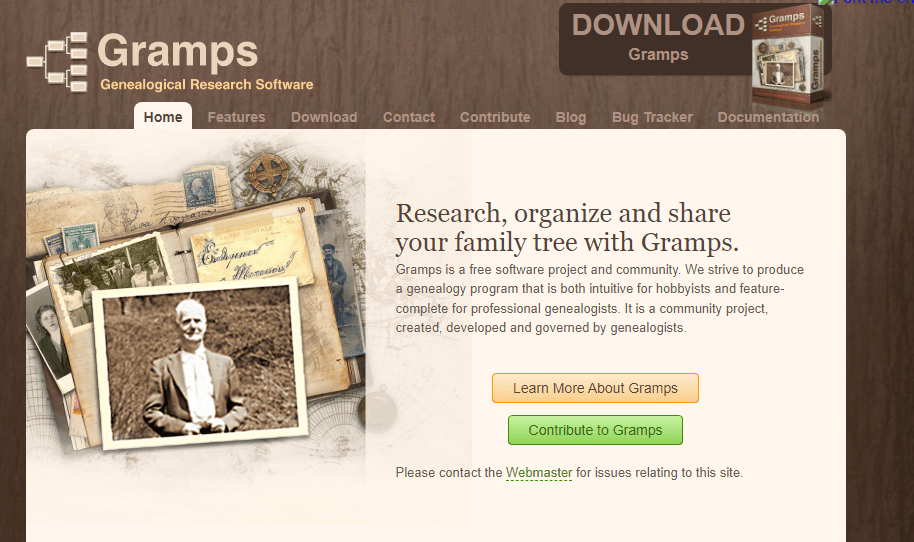
In conclusion, birth records are an essential resource for genealogy research, as they provide valuable information about our ancestors and help us to piece together our family history. Knowing where to find these records and how to properly cite our findings on a research log can make the difference between a successful and a frustrating research experience. Whether you are researching your ancestors from England, Ireland, Germany, Canada, or any other country, taking the time to document your research and properly cite your sources will ensure that your findings are accurate and reliable. So, start your genealogy journey with confidence, armed with the knowledge of where to find birth records and the importance of citing your research. Happy researching!

Download the Guide ‘Where to Look For Your Ancestor’s Birth Certificate or Record’ – Tracing My Roots – A Journey to Discover My Ancestors (Countries) below

Featured

15 Reasons Why You Should Use Online Newspapers in Your Genealogy Research

Genealogy research is a fascinating and rewarding pursuit that allows individuals to explore their family history and connect with their ancestors. However, it can also be a challenging task, requiring significant time and effort to gather and organize the relevant information.

One valuable resource that can help in this endeavor is online newspapers. Online newspapers provide access to a vast collection of historical records that can help in tracing family histories, uncovering family secrets, and gaining a deeper understanding of our ancestors’ lives.

In this blog post, we will discuss 15 reasons why you should use online newspapers in your genealogy research. We will also provide examples of some of the best online newspaper resources available for genealogy research, including both free and paid options. Whether you’re just starting your genealogy journey or looking to expand your research, online newspapers can provide a wealth of information and insights into your family’s past.

Genealogy research can be a time-consuming and challenging task, especially when you are looking to find information about your ancestors who lived in a different era. In the past, people used to rely on traditional methods like visiting libraries, archives, and museums to collect information about their family history. However, with the advent of the internet, things have changed drastically. Nowadays, you can find a wealth of information online, including online newspapers, which are an excellent resource for genealogy research.
15 Reasons

1. Access to a vast collection of newspapers: Online newspapers offer access to a vast collection of newspapers from different parts of the world. This means you can find information about your ancestors who lived in different countries and regions.

2. Easy to search: Online newspapers are easy to search, thanks to the advanced search features available on most newspaper websites. You can search for specific keywords, dates, and even locations to find relevant articles.

3. 24/7 access: Online newspapers are available 24/7, which means you can conduct your genealogy research at any time of the day or night, regardless of where you are located.

4. Saves time: Online newspapers can save you a lot of time, as you don’t have to visit physical archives or libraries to find information. You can search for articles from the comfort of your home or office.

5. Cost-effective: Online newspapers are usually cheaper than their physical counterparts. Some websites offer free access to their newspaper archives, while others charge a nominal fee.

6. Historical context: Online newspapers provide a valuable historical context that can help you understand the social, political, and economic conditions of the time period your ancestors lived in.

7. Rare information: Online newspapers may contain rare information that you may not find in other sources. For example, obituaries may contain details about your ancestors’ lives that are not available elsewhere.

8. Personal stories: Online newspapers may contain personal stories about your ancestors, including anecdotes, interviews, and letters to the editor.

9. Visual content: Online newspapers may contain visual content, such as photographs and illustrations, that can help you visualize your ancestors’ lives.

10. Interactivity: Some online newspapers allow readers to interact with the content, such as leaving comments or sharing articles on social media.

11. Collaborative research: Online newspapers can facilitate collaborative research, as you can share articles and information with other researchers who may be working on the same family tree.

12. Language translation: Online newspapers can be translated into different languages, which means you can find information in newspapers from different parts of the world, even if you don’t speak the language.

13. Preservation: Online newspapers contribute to the preservation of historical records, as they are digitized and stored electronically, ensuring that they are accessible for future generations.

14. Accurate information: Online newspapers offer accurate information, as they are typically sourced from reputable newspapers and publications.

15. Convenience: Lastly, online newspapers offer convenience. You can access them from anywhere, at any time, using any device that has an internet connection.

Online newspapers are a valuable resource for genealogy research, providing a wealth of information about your ancestors’ lives.

7 Online Newspaper Websites for Your Genealogy Research

There are many online newspapers that you can use for genealogy research. Below is a short list of some to get you started:

1. The New York Times Archives: The New York Times has a vast archive of articles dating back to 1851. You can access the archive by subscribing to their service at https://www.nytimes.com/subscription/multiproduct/lp88K5R.html.

2. The British Newspaper Archive: The British Newspaper Archive is a collection of millions of digitized pages of British newspapers. You can access the archive at https://www.britishnewspaperarchive.co.uk/.

3. Chronicling America: Chronicling America is a project of the Library of Congress that provides access to millions of pages of historic American newspapers. You can access the archive at https://chroniclingamerica.loc.gov/.

4. Trove: Trove is an online database maintained by the National Library of Australia that provides access to millions of digitized pages of Australian newspapers. You can access the archive at https://trove.nla.gov.au/newspaper/.

5. Elephind: Elephind is a search engine that provides access to millions of digitized pages of newspapers from around the world. You can access the search engine at https://www.elephind.com/.

6. Europeana Newspapers: Europeana Newspapers is a free online database that provides access to digitized newspapers from across Europe. It includes newspapers from 20 countries and covers a period from the 17th century to the present day. You can access the archive at https://www.europeana.eu/en/collections/topic/25-newspapers.

7. The Portal to Texas History: The Portal to Texas History is a free online database that provides access to digitized newspapers from across the state of Texas. It includes newspapers from over 200 years of Texas history, covering the period from 1813 to the present day. You can access the archive at https://texashistory.unt.edu/explore/collections/TDNP/.

You may want to check with your local library or archives to see if they offer access to any other free online newspaper databases.

5 Possible Online Newspapers and Potential Costs

The costs of using online newspaper websites for genealogy research can vary depending on the website and the type of access you require. Here are some examples of costs associated with online newspaper websites:

1. The New York Times Archives: The New York Times Archives charges a fee for access to its articles. The cost varies depending on the subscription plan you choose, but as of April 2023, the basic digital subscription costs $8 per month.

2. The British Newspaper Archive: The British Newspaper Archive offers a range of subscription options, starting from £9.99 per month for a pay-as-you-go subscription, up to £79.99 for an annual subscription. They also offer a free trial period.

3. GenealogyBank: GenealogyBank is a subscription-based website that provides access to a large collection of historical newspapers from the United States. They offer a range of subscription options, starting from $19.95 per month for a basic subscription, up to $69.95 for an annual subscription.

4. Newspapers.com: Newspapers.com is a subscription-based website that provides access to over 19,000 newspapers from the United States and other countries. They offer a range of subscription options, starting from $7.95 per month for a basic subscription, up to $199.95 for an annual subscription.

5. Fold3: Fold3 is a subscription-based website that provides access to a large collection of military records, including newspapers from the United States and other countries. They offer a range of subscription options, starting from $7.95 per month for a basic subscription, up to $79.95 for an annual subscription.

It’s worth noting that some online newspaper websites may offer limited free access to their collections, while others may offer free access to their collections through libraries or archives.

It’s always a good idea to check with your local library or archives to see what resources are available to you for free.

In conclusion, online newspapers are an invaluable resource for genealogy research. They provide access to millions of historical records, including birth and death notices, marriage announcements, obituaries, and much more. By using online newspapers, you can discover new information about your ancestors, learn about the historical context of their lives, and gain a deeper understanding of your family’s history. Whether you’re just beginning your genealogy journey or looking to expand your research, online newspapers offer a wealth of information and insights into your family’s past. And with the many free and paid resources available, there’s never been a better time to start exploring your family’s history through online newspapers. So why not give it a try and see what you can discover? Who knows what fascinating stories and surprises you may uncover!

Featured

Genetics: Why People Have Blue Eyes?

If you have ever researched your family history, you may have wondered about the physical features that you might have inherited from your ancestors, such as your hair color, nose shape, or even the size of your feet. But what about your eyes? Specifically, what about the intriguing and often coveted trait of blue eyes?

In this article, we will explore the fascinating genetics behind eye color inheritance, with a focus on the unique characteristics of blue eyes.

Have you ever looked into a mirror and wondered where your eye color came from? As someone with greenish blue eyes, I have often pondered this question and done some research to better understand the genetics behind eye color inheritance.

In this article, I will share what I have learned and explore the fascinating topic of eye color genetics, including the inheritance of blue eyes. I hope you find this article interesting, and I would love to hear your thoughts after reading it.

In reference to the article ‘Every blue eyed person on the planet is a descendant of one single person Written by Kate Plummer, On Apr 10, 2023

Eye color has long been a topic of fascination and curiosity for both scientists and the general public.

Recently, this recent article claims that every blue-eyed person on the planet is descended from a single European ancestor who lived thousands of years ago has been circulating online. While the story of the blue eye mutation is intriguing, the claims made in the article are not entirely accurate.

In this blog article, we will delve into the science behind eye color and the history of the blue eye mutation to better understand the complexity of human genetics and ancestry. By seeking out reliable sources and approaching scientific claims with a critical mindset, we can gain a deeper appreciation for the intricate tapestry of human heritage.

The Science Behind Eye Colour

Eye color is determined by the amount and type of pigment in the iris of the eye. The color of the iris ranges from dark brown to light blue, with shades of green and gray in between. The pigment that determines eye color is called melanin, which is produced by cells called melanocytes. The more melanin a person has in their iris, the darker their eye color will be. The type and amount of melanin in the iris is determined by genetics.

The genetics of eye color are complex, and many different genes are involved. One of the most important genes that determines eye color is called OCA2. This gene codes for a protein that regulates the production of melanin in the iris. The amount and type of melanin produced by the iris is also influenced by other genes, including HERC2 and SLC24A4.

Exploring the of Eye Colour Inheritance

Eye colour is a polygenic trait, meaning that it is influenced by several genes. The genetic makeup of an individual determines their eye color, and it can range from brown to blue, green, hazel, and gray.

Eye colour is a result of the amount and type of pigment present in the iris, the coloured part of the eye. One of the genes responsible for eye color is OCA2 (oculocutaneous albinism II), located on chromosome 15.

This gene controls the production of melanin, the pigment responsible for the color of the skin, hair, and eyes. OCA2 is particularly responsible for the amount of brown pigment (eumelanin) produced in the iris, which results in the color of the eyes ranging from brown to black.

Another gene that affects eye color is HERC2 (hect domain and RLD 2), located on chromosome 15. HERC2 plays a crucial role in regulating OCA2, which in turn determines the amount of melanin produced. A variation in this gene can result in reduced melanin production, leading to lighter eye colors such as green, blue, or gray.

In addition to OCA2 and HERC2, several other genes contribute to eye color, including TYR (tyrosinase), TYRP1 (tyrosinase-related protein 1), SLC24A4 (solute carrier family 24, member 4), and SLC45A2 (solute carrier family 45, member 2).

Variations in these genes can result in the production of different types and amounts of melanin, leading to different eye colors.

The inheritance of eye color is a complex process that is not fully understood. The genes responsible for eye color are inherited from both parents, and the resulting eye color depends on the combination of genes inherited. In general, brown eyes are dominant over blue, green, or gray eyes, so if one parent has brown eyes and the other has blue eyes, the child is more likely to have brown eyes.

In summing up this blog, eye color is determined by multiple genes, including OCA2 and HERC2, which control the production of melanin in the iris.

The inheritance of eye color is complex and depends on the combination of genes inherited from both parents. Understanding the genetic basis of eye color can provide valuable insights into the inheritance of other traits and genetic disorders.

The History of the Blue Eye Mutation

Blue eyes are a relatively rare trait, found in only about 8-10% of the global population. The mutation that causes blue eyes is thought to have originated in Europe, where it is more common than in other parts of the world. The exact time and place of the mutation’s origin are unclear, but it is believed to have occurred between 6,000 and 10,000 years ago. The mutation that causes blue eyes is a change in the HERC2 gene, which is located near the OCA2 gene on chromosome 15. .

The mutation alters the expression of the OCA2 gene, resulting in reduced production of melanin in the iris. People with blue eyes have the same HERC2 mutation, which is why every blue-eyed person can trace their ancestry back to a single individual who carried this mutation.

Conclusion

In conclusion, the story of the blue eye mutation is a fascinating example of human genetic diversity and the complex history of human migration and interbreeding.

While the claims made in the recent article about every blue-eyed person being descended from a single European ancestor are not entirely accurate, the story of the blue eye mutation remains a compelling topic of study for scientists and the general public alike.

By approaching scientific claims with a critical mindset and seeking out reliable sources, we can better understand the intricate tapestry of human heritage and the genetic factors that contribute to our physical traits. As we continue to study and appreciate the complexities of human genetics, we can gain a deeper appreciation for the rich diversity of our global community.

References

1. Branicki, W., Liu, F., van Duijn, K., Draus-Barini, J., Pośpiech, E., Walsh, S., Kupiec, T., Wojas-Pelc, A., Kayser, M., & Liu, F. (2013). Model-based prediction of human hair color using DNA variants. Human Genetics, 132(4), 443–454. https://doi.org/10.1007/s00439-012-1241-0

2. The American Society of Human Genetics. ( 2008, January 3). Blue-Eyed Humans Have A Single, Common Ancestor. ScienceDaily. Retrieved April 11, 2023, from https://www.sciencedaily.com/releases/2008/01/080130170343.htm

3. Liu, F., van der Lijn, F., Schurmann, C., Zhu, G., Chakravarty, M. M., Hysi, P. G., … & Spector, T. D. (2010). A genome-wide association study identifies five loci influencing facial morphology in Europeans. PLoS genetics, 6(9), e1000995. https://doi.org/10.1371/journal.pgen.1000995

4. Sturm, R. A., Duffy, D. L., Zhao, Z. Z., Leite, F. P. N., Stark, M. S., Hayward, N. K., & Martin, N. G. (2008). A single SNP in an evolutionary conserved region within intron 86 of the HERC2 gene determines human blue-brown eye color. American Journal of Human Genetics, 82(2), 424-431. https://doi.org/10.1016/j.ajhg.2007.11.005

5. Walsh, S., Liu, F., Wollstein, A., Kovatsi, L., Ralf, A., Kosiniak-Kamysz, A., … & Kayser, M. (2011). The HIrisPlex system for simultaneous prediction of hair and eye colour from DNA. Forensic Science International: Genetics, 5(5), 433-445. https://doi.org/10.1016/j.fsigen.2010.11.005

Featured

Hiring a Professional Genealogist

Genealogy research can be a fascinating and rewarding journey, but it can also be a daunting task, especially if you don’t have the time or expertise to conduct the research yourself. That’s where hiring a professional genealogist can come in handy. A professional genealogist can help you uncover your family history, providing you with valuable insights and discoveries about your ancestors that you may not have been able to find on your own. However, before hiring a genealogist, there are several important factors to consider.

In this article, we will explore some of the key things you need to think about before hiring a professional genealogist, including your goals, budget, the genealogist’s experience, the records you have, and the communication you want. By considering these factors carefully, you can find a genealogist who is the right fit for your needs and can help you unlock the mysteries of your family history.

When Do You Know When It’s Time to Hire a Professional Genealogist?

There are several signs that indicate it may be time to hire a professional genealogist to assist with your family history research:

1. You’ve hit a brick wall: If you’ve been researching your family history for a while and have hit a dead end or are struggling to make progress, it may be time to bring in a professional genealogist who can use their expertise and experience to help you break through that wall.

2. You lack time or resources: Genealogy research can be time-consuming and expensive, and it can be challenging to balance it with work, family, and other responsibilities. If you don’t have the time or resources to devote to your research, a genealogist can help take the burden off your shoulders.

3. You want to ensure accuracy: Genealogy research requires attention to detail and an understanding of the sources and records used. If you’re not confident in your ability to conduct accurate research, a professional genealogist can help ensure the accuracy and reliability of your family history.

4. You have specific research needs: If you’re interested in a specific area of research, such as military records or immigration records, a genealogist with expertise in that area can be invaluable in helping you uncover the information you’re looking for.

5. You want to preserve your family history: Many people hire professional genealogists to help them create a comprehensive family history that can be passed down through the generations. A genealogist can help you organize and document your research, ensuring that it’s preserved for future generations.

Ultimately, the decision to hire a professional genealogist is a personal one that depends on your research needs, goals, and budget. If you’re unsure whether it’s time to bring in a genealogist, consider consulting with one to discuss your research and determine whether they can offer the assistance you need.

‘Why Should I Hire a Genealogist’

There are several compelling reasons to consider hiring a professional genealogist to assist with your family history research:

1. Access to expertise and resources: Genealogists have specialized knowledge and experience in conducting family history research, as well as access to a range of resources and databases that may not be available to the general public. They can use this expertise and access to help you uncover information about your ancestors that you may not have been able to find on your own.

2. Time-saving: Genealogy research can be a time-consuming process, especially if you’re just starting out or have hit a brick wall in your research. A professional genealogist can help streamline the research process and save you time by using their experience and knowledge to focus on the most promising sources and records.

3. Accuracy and reliability: Genealogists are trained to conduct research in a methodical and accurate way, ensuring that the information they uncover is reliable and supported by evidence. They can also help you evaluate the accuracy of information you’ve already uncovered, and spot any errors or inconsistencies.

4. Objective perspective: Sometimes when conducting research on our own family history, it’s easy to become emotionally invested and subjective. A professional genealogist can provide an objective perspective and help you avoid biases or assumptions that may cloud your research.

5. Comprehensive family history: Hiring a genealogist can help you create a more comprehensive family history, documenting your ancestors’ lives and experiences in a way that can be passed down through generations. This can be a valuable legacy for your family, and something that can be cherished and shared for years to come.

Ultimately, hiring a genealogist is a personal decision that depends on your research needs, goals, and budget. However, the benefits of working with a professional can be significant, and may help you uncover information and stories about your ancestors that you never knew existed.

Hiring a Professional Genealogist

Hiring a genealogist can be a great way to unlock the mysteries of your family’s history and uncover fascinating stories about your ancestors. However, before you decide to hire a genealogist, there are a few things you need to consider.

1. What are your goals? – Before you hire a professional genealogist, you should take some time to think about your goals. What do you hope to learn from your family history research? Are you trying to trace your lineage back as far as possible, or are you interested in discovering specific information about a particular ancestor or family branch? Knowing your goals can help you find a genealogist who is the right fit for your needs.

2. What is your budget? – Genealogy research can be time-consuming and expensive, so it’s important to have a budget in mind before you begin your search for a professional genealogist. Some genealogists charge by the hour, while others charge a flat fee for a specific project. Make sure you understand the genealogist’s fee structure and get a written estimate of the cost before you hire them.

3. What kind of experience does the genealogist have? – When you’re considering hiring a professional genealogist, you should take some time to research their experience and credentials. Look for a genealogist who has a proven track record of success and who has experience working with the type of research you’re interested in. Some genealogists specialize in certain areas, such as military research or Jewish genealogy, so it’s important to find someone who has the expertise you need.

4. What kind of records do you have? – Before you hire a genealogist, it’s important to take stock of the records you already have. Do you have any family bibles, photos, or documents that could provide clues about your family history? It’s also important to know where your ancestors lived, as this can help the genealogist focus their research efforts.

5. What kind of communication do you want? – When you hire a professional genealogist, you’ll need to communicate with them regularly to stay up to date on their progress. Make sure you choose a genealogist who is responsive and communicative, and who can provide you with regular updates on their research.

Hiring a professional genealogist can be an excellent investment for anyone interested in uncovering their family history. However, it’s important to consider several key factors before hiring a genealogist, including your goals, budget, the genealogist’s experience, the records you have, and the communication you want. By taking the time to carefully evaluate these factors, you can find a genealogist who is the right fit for your needs and can help you unlock the mysteries of your family history.

Remember to think about what you hope to learn from your family history research, how much you can afford to spend, and what kind of experience and expertise you want your genealogist to have. Take stock of the records you already have and clarify your communication expectations with the genealogist before you start working together. By finding a genealogist who is responsive, communicative, and has a proven track record of success, you can enjoy a rewarding and enlightening journey into your family’s past.

When considering your goals for hiring a professional genealogist, it’s important to have a clear understanding of what you hope to achieve. Some people may be interested in tracing their family lineage as far back as possible, while others may be more interested in uncovering specific information about a particular ancestor or family branch.

If your goal is to trace your lineage back as far as possible, you may want to consider hiring a genealogist who specializes in deep research and has experience with DNA testing. This can help you uncover ancestors from centuries ago and provide a better understanding of your family’s origins.

On the other hand, if you’re interested in discovering specific information about a particular ancestor or family branch, you may want to look for a genealogist who has experience with a specific region or time period. This can help you narrow your search and focus your research efforts, making it more likely that you’ll find the information you’re looking for.

Another goal may be to connect with living relatives that you were previously unaware of. A genealogist can help you locate and connect with distant cousins or other relatives who may be able to provide additional information about your family history.

Ultimately, understanding your goals can help you choose the right genealogist for your needs and ensure that you’re able to get the most out of your family history research. By working with a professional genealogist who shares your goals and understands your interests, you can uncover fascinating stories about your ancestors and gain a deeper appreciation for your family’s history.

When it comes to hiring a professional genealogist, it’s important to have a clear understanding of your budget. Genealogy research can be time-consuming and costly, and it’s important to have a realistic understanding of what you can afford before you begin your search for a genealogist.

Some genealogists charge by the hour, while others charge a flat fee for a specific project. Hourly rates can vary depending on the genealogist’s experience, expertise, and location. Flat fees may be a better option if you have a specific project in mind, such as tracing your family’s lineage back to a specific ancestor or investigating a family mystery.

Before you hire a genealogist, make sure you understand their fee structure and get a written estimate of the cost. This will help you avoid any unexpected expenses and ensure that you’re able to budget for the genealogy research you want to have done.

It’s also important to keep in mind that the cost of genealogy research can vary depending on the records and resources needed. Some records may be available for free online, while others may require a fee to access. DNA testing can also be an additional expense, but can provide valuable information about your ancestry.

When considering your budget for genealogy research, it’s important to remember that the cost can vary widely depending on your goals and the genealogist you choose to work with. However, by having a clear understanding of your budget and working with a genealogist who is transparent about their fees, you can ensure that you’re able to get the most out of your family history research while staying within your budget.

When it comes to hiring a professional genealogist, experience and credentials are important factors to consider. You want to work with someone who has a proven track record of success and who has experience working with the type of research you’re interested in.

One way to evaluate a genealogist’s experience is to look at their professional credentials. Many genealogists belong to professional organizations such as the Association of Professional Genealogists (APG) or the Board for Certification of Genealogists (BCG), which require members to meet specific standards of education and experience.

Another way to evaluate a genealogist’s experience is to ask for references or examples of past projects. A reputable genealogist should be able to provide you with references from previous clients or examples of successful projects they have completed. This can help you evaluate their expertise and determine if they are the right fit for your needs.

It’s also important to consider what type of research the genealogist specializes in. Some genealogists specialize in military research, while others focus on Jewish genealogy or African American genealogy. Finding a genealogist who has experience in the specific area of research you’re interested in can help ensure that they have the expertise and knowledge necessary to help you achieve your goals.

Ultimately, when considering a genealogist’s experience, it’s important to look for someone who is knowledgeable, experienced, and who shares your goals and interests. By working with a genealogist who has the expertise you need, you can ensure that you’re able to get the most out of your family history research and uncover fascinating stories about your ancestors.

When it comes to hiring a professional genealogist, it’s important to have a clear understanding of the records and information you already have about your family history. This information can help the genealogist focus their research efforts and provide you with more accurate and detailed information about your ancestors.

Take some time to gather any family bibles, photos, or documents you may have that could provide clues about your family history. These records can be a valuable source of information and can help the genealogist piece together your family tree.

It’s also important to know where your ancestors lived, as this can help the genealogist focus their research efforts. If you know the specific town, county, or state where your ancestors lived, this can help the genealogist locate important records such as census records, birth and death certificates, and land deeds.

Additionally, if you have already done some research on your family history, it’s important to share this information with the genealogist. This can help them avoid duplicating your efforts and allow them to focus on areas of research that you may not have explored yet.

By having a clear understanding of the records and information you already have, you can help the genealogist provide you with more accurate and detailed information about your ancestors. This can also help you make the most of your time and budget, as the genealogist can focus their efforts on areas that are most likely to yield valuable results.

Communication is a key factor to consider when hiring a professional genealogist. You want to work with someone who is responsive, communicative, and who can provide you with regular updates on their research.

Before hiring a genealogist, it’s important to clarify your communication expectations. Do you prefer to communicate primarily by email, phone, or in person? How often do you want to receive updates on the progress of the research? It’s important to find a genealogist who can accommodate your communication preferences.

Additionally, you’ll want to make sure the genealogist you hire is responsive and easy to reach. Do they respond to emails and phone calls promptly? Are they available to answer questions and address concerns as they arise?

It’s also important to consider how the genealogist will share their research findings with you. Will they provide regular written reports, or will they meet with you in person to discuss their findings? Make sure the genealogist you choose can provide you with the level of communication and detail you need to feel informed and satisfied with their work.

Overall, finding a genealogist who is responsive, communicative, and can provide you with regular updates on their research can help ensure that your family history research is a success. By working with a genealogist who shares your communication expectations and preferences, you can stay informed and involved in the research process, and ultimately uncover fascinating stories about your ancestors.

Hiring a professional genealogist can be an excellent investment for anyone interested in uncovering their family history. However, it’s important to consider several key factors before hiring a genealogist, including your goals, budget, the genealogist’s experience, the records you have, and the communication you want. By taking the time to carefully evaluate these factors, you can find a genealogist who is the right fit for your needs and can help you unlock the mysteries of your family history.

Remember to think about what you hope to learn from your family history research, how much you can afford to spend, and what kind of experience and expertise you want your genealogist to have. Take stock of the records you already have and clarify your communication expectations with the genealogist before you start working together. By finding a genealogist who is responsive, communicative, and has a proven track record of success, you can enjoy a rewarding and enlightening journey into your family’s past.

‘Is a Genealogist Worth Your Investment?’

Hiring a professional genealogist to conduct family history research can be a significant investment. You may be wondering if it’s really worth it to spend money on a genealogist when there is so much information available online for free. The truth is that while there is a lot of information available online, genealogy research can be incredibly time-consuming and can require a great deal of expertise. A professional genealogist can bring valuable skills and experience to the table, making the investment well worth it for many people.

One of the biggest benefits of hiring a genealogist is that they can save you time. A professional genealogist knows exactly where to look for information and can quickly navigate through records and databases that might take you hours or even days to find. Additionally, genealogists are trained to analyze and interpret data, which can help you avoid getting bogged down in irrelevant or inaccurate information.

Another benefit of hiring a genealogist is their expertise. Professional genealogists have spent years honing their skills, learning about various types of records, and staying up to date on the latest research methods and technologies. This expertise can be particularly helpful if you’re researching a family history that involves more complex or obscure records, such as immigration or military records.

Ultimately, whether a genealogist is worth your investment will depend on your individual situation and goals. If you’re just looking to do some casual research on your family tree, you may be able to find the information you need online. However, if you’re interested in conducting more in-depth research or need help with a particularly complex or challenging family history, a professional genealogist may be well worth the investment.

Pro’s and Con’s of Hiring a Genealogist

Hiring a professional genealogist can be a great way to unlock the mysteries of your family history, but it’s important to consider the pros and cons before making a decision.

Pros:

1. Expertise: Professional genealogists have the skills and expertise needed to conduct thorough and accurate research. They know where to look for information, how to analyze and interpret data, and can provide insights that might not be apparent to someone without their training.

2. Time-saving: Genealogy research can be incredibly time-consuming, particularly if you’re not familiar with the types of records and databases available. Hiring a genealogist can save you a great deal of time and effort, as they can quickly navigate through records and databases to find the information you need.

3. Access to resources: Genealogists often have access to resources and databases that may not be available to the general public. This can include historical archives, specialized libraries, and genealogy software that can help uncover new information about your family history.

4. Customized research: Professional genealogists can provide customized research based on your specific goals and interests. They can tailor their research to focus on specific individuals or family branches, or help you trace your lineage back as far as possible.

Cons:

1. Cost: Hiring a professional genealogist can be expensive, particularly if you require a significant amount of research. Genealogists may charge hourly rates or flat fees for specific projects, and costs can quickly add up.

2. Lack of control: When you hire a genealogist, you’re entrusting them with the responsibility of conducting your family history research. While this can be helpful, it also means that you may not have as much control over the research process as you would if you were doing it yourself.

3. Uncertainty of results: Despite a genealogist’s expertise and experience, there’s always a chance that they may not be able to find the information you’re looking for. This can be frustrating and disappointing, particularly if you’ve invested a significant amount of time and money into the research.

Overall, the decision to hire a professional genealogist will depend on your individual goals, budget, and preferences. While there are certainly pros and cons to consider, hiring a genealogist can be an excellent investment for anyone interested in uncovering their family history.

‘Where Do I Look to Hire a Genealogist?’

If you’ve decided to hire a professional genealogist to help you with your family history research, the next step is to find the right person for the job. Here are some places to look when searching for a genealogist:

1. Online directories: There are many online directories that can help you find a professional genealogist in your area. The Association of Professional Genealogists (APG) and the Board for Certification of Genealogists (BCG) both have directories of certified professionals.

2. Genealogy societies: Local genealogy societies can be a great resource for finding a professional genealogist. Many societies have lists of recommended genealogists, or can provide referrals based on your specific research needs.

3. Referrals: Ask other genealogy enthusiasts or family members if they have worked with a professional genealogist and can provide a recommendation. Word of mouth referrals can be a great way to find a genealogist who has a track record of success.

4. Online reviews: Check websites such as Yelp or Google Reviews to read reviews of genealogists in your area. This can give you an idea of the experiences other people have had with the genealogist and their level of satisfaction.

5. Genealogy conferences: Attending genealogy conferences and workshops can be a great way to meet professional genealogists and learn more about their services. Many genealogists will have booths set up at these events, giving you an opportunity to ask questions and get a feel for their approach to research.

When looking for a genealogist, it’s important to research their qualifications and experience, as well as their fee structure and communication style. By taking the time to find the right genealogist for your needs, you can increase your chances of uncovering new and exciting information about your family history.

Resources To Find a Qualified Genealogist

1. Association of Professional Genealogists (APG) Directory: The APG is a professional organization for genealogists and has a directory of its members that you can search by location or area of expertise.

2. Board for Certification of Genealogists (BCG) Directory: The BCG is an organization that certifies genealogists based on their education and experience. They have a directory of certified genealogists on their website.

3. The International Commission for the Accreditation of Professional Genealogists (ICAPGen): ICAPGen is an organization that certifies genealogists based on their geographic research expertise. They have a directory of accredited genealogists on their website.

4. Genealogy societies: Many local genealogy societies maintain a list of recommended genealogists or can provide referrals based on your research needs. Check with your local society or visit the Federation of Genealogical Societies website for a list of societies in your area.

5. Online directories: Websites such as AncestryProGenealogists or Genealogists.com offer searchable directories of professional genealogists.

Featured

The Church’s Influence on Genealogy and Religious Identity

Welcome to this blog post for the 22 Steps in Researching Your Family Tree

Genealogy and religion are two topics that have been deeply intertwined throughout history. For many people, tracing their family history is not just a matter of curiosity, but an important aspect of their religious identity. The church, in particular, has played a significant role in shaping the way we think about genealogy and religious identity. From its emphasis on lineage to its role in records-keeping, the church has influenced the way we view our families and our place in the world. In this article, we will explore the church’s influence on genealogy and religious identity, and how it has impacted our understanding of these concepts throughout history. By examining the various ways in which the church has influenced these topics, we can gain a greater understanding of ourselves, our families, and our religious traditions.

Emphasis on Lineage

One of the primary ways in which the church has influenced the way we think about genealogy is by emphasizing the importance of lineage. Many religions, including Christianity, Judaism, and Islam, place a strong emphasis on tracing one’s lineage back to key figures in religious history. This is often done as a way of establishing a connection to the faith and asserting one’s religious identity.

For example, in Christianity, tracing one’s lineage back to Jesus Christ is an important aspect of religious identity. This is done through the genealogies found in the Gospels of Matthew and Luke, which trace Jesus’ lineage back to King David and Abraham, respectively. Similarly, in Judaism, tracing one’s lineage back to Abraham is an important aspect of religious identity, as Abraham is considered the father of the Jewish people.

Records-Keeping

Another way in which the church has influenced genealogy is through its role in keeping records of births, marriages, and deaths. For centuries, churches have been involved in keeping these records, which have been a valuable resource for genealogists. In some cases, these records date back hundreds of years, providing a wealth of information about families and their histories.

In addition to providing valuable information for genealogists, these records have also been an important tool for historians and researchers, helping them to piece together the history of a particular region or culture. The church’s role in records-keeping has thus had a significant impact on our understanding of history and culture.

Universal Family

The church has also played a role in promoting the idea of a universal family that transcends national, cultural, and ethnic boundaries. This idea is based on the belief that all people are created in God’s image and are therefore equal in the eyes of God. This belief has been a driving force behind many religious and social movements throughout history, including the abolition of slavery and the civil rights movement.

The idea of a universal family has also influenced the way we think about genealogy. Rather than viewing genealogy solely as a way of tracing one’s own lineage, many people now see it as a way of exploring and connecting with the broader human family. This broader perspective on genealogy has helped to break down cultural and ethnic barriers, promoting a greater sense of unity and understanding among people of different backgrounds.

Shaping Religious Doctrine

Finally, the church has been instrumental in shaping religious doctrine around the world, which has influenced the way people think about religion and genealogy. For example, the Catholic Church’s teachings on the importance of family and lineage have had a significant impact on the way many people view their own family histories. The church’s teachings have also influenced the way people think about their place in the world and their relationship with God.

Conclusion

In conclusion, the church’s influence on genealogy and religious identity has been significant and far-reaching. The emphasis on lineage, the role of records-keeping, the promotion of a universal family, and the shaping of religious doctrine are just some of the ways in which the church has impacted our understanding of these topics. By examining the church’s influence, we can gain a greater appreciation for the role of religion in shaping our sense of identity and family history. Moreover, we can see how the church’s influence has helped to break down cultural and ethnic barriers, promoting a greater sense of unity and understanding among people of different backgrounds. Ultimately, by exploring the complex relationship between genealogy and religion, we can gain a deeper understanding of our own place in the world and our connection to the past.

Good luck on your genealogy journey! Hope you come back later to check out other blog article posts that may be of interest to you : )

NOTE:

In closing this blog post, if you have any questions, comments, feedback or would like to suggest any improvements, please don’t hesitate to send me a message or email. I value your input and appreciate your support in helping me to create more helpful and informative content for aspiring genealogists. Thank you for following along on this journey, and I wish you the best of luck in your own genealogical research.

Sign Up Today to get new content delivered directly to your inbox.

Featured

HISTORY & FUTURE of GENEALOGY

Welcome to this blog post for the 22 Steps in Researching Your Family Tree

Start Your Family Tree Today!

History and Future of Genealogy

Are you curious about your family history? Do you want to learn more about your ancestors and where you came from? If so, you’re not alone. Genealogy, the study of family history and lineage, has become increasingly popular in recent years, thanks in part to advances in technology that have made it easier than ever to research and uncover information about our past.

In this blog post, we’ll explore the history of genealogy, from its earliest methods to the tools used by genealogists today. We’ll also take a look at the future of genealogy and the exciting advancements and possibilities that lie ahead. Whether you’re a seasoned genealogist or just starting out on your family history journey, this post will provide valuable insights into the fascinating world of genealogy. So grab a cup of coffee, settle in, and let’s explore the rich history and promising future of genealogy.

Earliest Methods of Genealogy

In ancient Egypt, genealogy was an essential aspect of their culture, as it was believed that a person’s ancestors played a significant role in their afterlife. The Egyptians kept detailed records of their family trees, which were often inscribed on tomb walls or written on papyrus. These records included the names of the person’s ancestors, as well as their titles, professions, and achievements.

In Greece, genealogy was also an essential aspect of society, particularly among the aristocracy. The Greeks believed that a person’s lineage played a crucial role in determining their social status and political power. As a result, they kept detailed records of their family trees, which were often inscribed on monuments or recorded in family archives. Genealogy was also used to trace the lineage of prominent families, such as the royal families of Greece.

In ancient Rome, genealogy was primarily used to trace the lineage of prominent families, particularly the patrician class. The Romans believed that a person’s lineage played a crucial role in determining their social and political status, and they kept detailed records of their family trees. These records were often inscribed on monuments or recorded in family archives.

During the Middle Ages, genealogy became more widespread, particularly among the nobility. The nobility used genealogy to establish their claims to land and titles, as well as to prove their lineage and ancestry. The church also played a significant role in genealogy during this time, as it kept extensive records of baptisms, marriages, and deaths. These records were often written in Latin and were kept in church archives.

Genealogy has a long and rich history that dates back to ancient civilizations such as Egypt, Greece, and Rome. Genealogy was an essential aspect of these cultures, and it was used to establish social status, political power, and ancestral lineage. During the Middle Ages, genealogy became more widespread, particularly among the nobility, and the church played a significant role in recording genealogical records. Today, genealogy continues to be an important aspect of our culture, and advances in technology have made it easier than ever to trace our ancestral roots.

Tools Used for Genealogy

In the past, genealogy was a time-consuming and labor-intensive process that involved poring over old records and documents. However, with the advent of modern technology, the process has become much easier and faster.

Today, genealogists use a variety of tools to aid in their research, including online databases, DNA testing, and genealogy software. Online databases allow genealogists to access records from around the world, while DNA testing can provide valuable insights into a person’s ancestry and family history. Genealogy software, such as Family Tree Maker and Ancestry.com, can help organize and track research, making it easier to visualize and share family trees and histories.

One of the most popular tools used in genealogy today is online databases. These databases provide access to a wealth of historical records, including census data, immigration and naturalization records, military service records, and vital records such as birth, marriage, and death certificates. Online databases like Ancestry.com, FamilySearch.org, and MyHeritage.com offer searchable indexes to these records, making it easier to find information about ancestors.

Another tool used in genealogy today is DNA testing. DNA testing can provide valuable information about a person’s ancestry and ethnic origins. DNA tests can also help confirm relationships between family members and uncover unknown relatives. There are several types of DNA tests available for genealogy purposes, including autosomal DNA testing, mitochondrial DNA testing, and Y-DNA testing.

Genealogy software is another useful tool for genealogists. Software programs such as Family Tree Maker, Legacy Family Tree, and RootsMagic can help organize and track research, making it easier to visualize and share family trees and histories. These software programs allow users to store and organize genealogical data, including names, dates, and locations, and can also generate charts and reports for sharing with family members.

Modern technology has made genealogy research easier and faster than ever before. Online databases, DNA testing, and genealogy software are just a few of the tools used by genealogists today to aid in their research. These tools help researchers access records from around the world, provide valuable insights into ancestry and ethnicity, and organize and track genealogical data. As technology continues to advance, it is likely that genealogy research will become even more accessible and streamlined in the future.

Genealogy Resources Used Today

There are a wide variety of genealogy resources available today, including online databases, archives, and libraries. Some of the most popular genealogy resources include:

1. Ancestry.com – a popular online database that provides access to billions of records from around the world.

2. FamilySearch.org – a non-profit organization that offers free access to a wide variety of genealogy resources, including online databases, archives, and libraries.

3. National Archives – the National Archives and Records Administration (NARA) is the official repository for U.S. federal government records.

4. Library of Congress – the Library of Congress has an extensive collection of genealogy resources, including books, manuscripts, and maps.

5. DNA testing companies – companies such as 23andMe and AncestryDNA offer DNA testing services that can provide valuable insights into a person’s ancestry.

The Future of Genealogy

One of the most promising areas of growth in the future of genealogy is the increasing use of DNA testing. As technology continues to improve, DNA tests are becoming more affordable and more widely available, allowing individuals to learn more about their ancestry and genetic makeup. In addition, new advancements in genetic testing may make it possible to identify ancestors from thousands of years ago, providing insights into ancient migrations and population movements.

Another area of growth in the future of genealogy is the use of machine learning algorithms to analyze large amounts of data. With the increasing amount of data available online, it can be challenging for genealogists to sift through all of the information and identify relevant patterns. Machine learning algorithms can help to identify these patterns, allowing researchers to make more connections and discoveries in their research.

The future of genealogy is also likely to see increased collaboration and sharing of information among researchers. Online databases and social networking platforms have made it easier than ever for genealogists to connect and share information with one another. In addition, the use of open-source software and data sets may lead to a greater democratization of genealogy research, allowing individuals from all backgrounds to participate and contribute to the field.

Lastly, genealogy is likely to continue to become more accessible and user-friendly in the future. With the increasing use of mobile technology and cloud-based storage, genealogy research can be done from virtually anywhere, making it easier for individuals to access their family history and research on-the-go. As more people become interested in their family history, the demand for user-friendly genealogy software and resources is likely to grow, leading to more innovation and advancements in the field.

The future of genealogy is promising, with advancements in technology and increased collaboration among researchers leading to new discoveries and insights. As more people become interested in their family history, genealogy is likely to become more accessible and user-friendly, allowing individuals from all backgrounds to participate and contribute to the field.

In conclusion, genealogy is a field that has come a long way since its earliest methods of record-keeping in ancient civilizations. With the advent of modern technology, genealogists now have access to a wealth of online resources, DNA testing, and genealogy software that have made the process of researching family history easier, faster, and more accurate than ever before.

As we’ve explored in this blog post, the future of genealogy is full of exciting possibilities. From the increasing use of DNA testing to machine learning algorithms and open-source data sets, genealogy is poised to continue evolving and expanding in the years ahead. And with the democratization of genealogy research and the growing accessibility of user-friendly tools and resources, more and more people will be able to connect with their family history and gain a greater understanding of their roots.

Whether you’re just starting out on your genealogy journey or are a seasoned researcher, the future of genealogy is sure to offer a wealth of exciting opportunities and discoveries. So don’t hesitate to dive in and explore the rich history and fascinating world of genealogy – you never know what you might uncover!

Good luck on your genealogy journey! Hope you come back later to check out other blog article posts that may be of interest to you : )

NOTE:

In closing this blog post, if you have any questions, comments, feedback or would like to suggest any improvements, please don’t hesitate to send me a message or email. I value your input and appreciate your support in helping me to create more helpful and informative content for aspiring genealogists. Thank you for following along on this journey, and I wish you the best of luck in your own genealogical research.

Sign Up Today to get new content delivered directly to your inbox.

Featured

7 Creative Strategies for Researching Your Family Tree

Welcome to this blog post for the 22 Steps in Researching Your Family Tree

A year ago a study about ‘Largest-ever family tree’ was groundbreaking news and published in Science as researchers at the University of Oxford’s Big Data Institute created the largest-ever family tree. The study genetically linked more than 27 million people worldwide, both living and deceased. The family tree serves as a comprehensive map of human genetic relationships and helps to predict susceptibility to diseases such as COVID-19. The study’s innovative method matches data from multiple sources, incorporates millions of genetic sequences, and can even estimate when and where our ancestors lived. The map is not limited to humans and is valid for most living things, including orangutans and bacteria. The ultimate goal is to generate a single, unified map that explains the descent of all human genetic variation, making it a valuable resource for future research. This study is simply mind boggling and hard to wrap your head around the concept that we are all definitely related.

Imagine if your research could reach levels of this magnitude, it would be astronomical!

Americans are obsessed with genealogy, and this hobby has become a cultural phenomenon. What was once associated with Colonial Dames and retirees has become a mainstream interest, with genealogical subscription services and recreational DNA testing for ancestry now being big business.

In the past, lineage research has been seen as a tool to celebrate families, a means of enforcing higher social rank and even as a vehicle for racism. However, during the second half of the 20th century, the hobby began to shed some of that racism and nativism, and the pursuit of family history became the means by which a broader, multicultural swath of Americans could understand themselves and their ancestors.

With the rise of technology, genealogical subscription services and DNA testing, and popular TV shows such as “Who Do You Think You Are?” and “Finding Your Roots,” Americans have become a nation of archaeologists, excavating the past to better understand themselves. Americans look for their family histories because they are natural storytellers and want to know how their past fits into the narratives of their lives. They also want to see if there is precedent for their talents, and they hope that the past can elucidate the present.

Additionally, at present, the COVID-19 pandemic is fuelling even more desire to search, pointing to an upsurge in adoptees and others seeking their genetic kin. Americans may also be searching out of a sense of rootlessness, as time and assimilation have stripped their families of customs, language, and foods of the past. African Americans may be blocked from knowledge of the past by the paucity of records about their enslaved ancestors.

In short, Americans are invested in genealogy to better understand themselves and their past, which they hope will provide them with guidance and reassurance for the present and the future.

Are you ready to indulge in your genealogical research to new levels?

Genealogy research can be both fascinating and challenging, especially when searching for long lost ancestors. It requires a combination of patience, persistence, and creativity. Fortunately, there are various strategies that can help in the process of tracing your family tree.

In this article, we will explore seven creative research strategies to use when researching your family tree, including leveraging social media, searching for alternative name spellings, and DNA testing. We will also look at the benefits of digging into local history, joining genealogy societies, consulting with professional genealogists, and utilizing online resources.

These strategies can help you overcome common research obstacles and uncover new insights about your family history.

Researching your family tree can be a rewarding and exciting journey, but it can also be overwhelming and frustrating at times. If you’re struggling to find information about your ancestors, it may be time to try some creative research strategies.

‘7 Creative Research Strategies’

You can use when researching your family tree to find long lost ancestors…

1. Start With What You Know

Begin by compiling a list of all the names, dates, and places you already know about your family members. Ask your living relatives to provide any information they have and try to piece together a timeline of your family history. This can include any family stories, old photos, documents such as birth, marriage, and death certificates, or any other records that you may have. Organize this information in a systematic manner, such as creating a family tree or timeline, to help you see gaps in your knowledge.

Once you have compiled all available information, make a list of questions that you still need answers to. This can include specific dates, locations, and events that you would like to know more about. This will help guide your research and give you a clear idea of what information you need to find.

Next, verify the information you have collected through other sources. This can include online genealogy databases, census records, military records, church archives, and more. Be sure to cross-reference your findings with multiple sources to ensure their accuracy.

Finally, use the information you have gathered to create a research plan. Determine which resources you will need to access, and in what order, to fill in the gaps in your knowledge. This may involve visiting local archives or libraries, reaching out to distant relatives, or even traveling to the places where your ancestors lived.

By starting with what you know, verifying your findings, and creating a solid research plan, you can increase your chances of discovering long-lost ancestors and uncovering new information about your family tree.

2. Expand Your Search Beyond Online Databases

While online databases can be a great starting point, don’t limit your research to just what you find online. Visit local libraries, archives, and historical societies in the areas where your ancestors lived. They may have unique resources and documents that aren’t available online.

  1. Attend Family Reunions: Family reunions are great opportunities to meet relatives and extended family members who may have information about your ancestors. You can also learn about family traditions, customs, and stories that can help you understand your family history.
  2. Join Online Genealogy Forums: There are many online genealogy forums and discussion groups that cater to specific family surnames or geographic regions. Joining these forums can help you connect with other researchers who may have information about your long-lost ancestors.
  3. DNA Testing: DNA testing can help you identify relatives and ancestors who may not be included in your family tree. By taking a DNA test, you can learn about your ethnic origins, find distant cousins, and confirm relationships with other family members.
  4. Social Media: Social media platforms like Facebook and Twitter can be useful tools for connecting with distant relatives and finding new leads. Join genealogy groups on Facebook, tweet about your research, and use hashtags to help others find you.
  5. Newspaper Archives: Newspaper archives are a great resource for finding obituaries, birth announcements, and other family-related news. Check local newspapers from the area where your ancestors lived to find information about them.
  6. Local Historical Societies: Local historical societies can be a great resource for finding information about your ancestors. Many societies have archives and collections of old photographs, documents, and other records that can help you piece together your family history.
  7. Public Libraries: Public libraries are a great resource for finding genealogical information. Many libraries have local history rooms and genealogy sections that contain books, microfilm, and other resources that can help you research your family tree.

3. Leverage Social Media

Use social media platforms like Facebook, Twitter, and Instagram to connect with distant relatives and potential sources of information. Join groups focused on genealogy or specific locations to find others who may be researching the same ancestors or have information to share. Expanding on the strategy of leveraging social media for family tree research, there are several ways to effectively use platforms like Facebook, Twitter, and Instagram to connect with distant relatives and potential sources of information:

  1. Join genealogy and location-based groups: Join groups focused on genealogy or specific locations related to your family history. This will enable you to connect with others who may be researching the same ancestors or have information to share. You can share your research and ask for advice, or simply browse through the group’s archives for useful information.
  2. Utilize search functions: Use the search functions on social media platforms to search for keywords related to your family history. You may find individuals who share the same surname or have connections to specific locations related to your family history.
  3. Reach out to distant relatives: Use social media platforms to connect with distant relatives who may have information about your family history. Even if you have lost touch with them, social media can provide a way to reconnect and gather valuable information.
  4. Follow genealogy and history-related pages: Follow pages on social media that share information about genealogy and history. These pages may provide tips and resources for your research, as well as information about upcoming events or seminars related to family history.
  5. Use hashtags: Utilize hashtags related to your family history and genealogy research to connect with others who are interested in the same topics. You may find others who are researching the same ancestors or have information to share.
  6. Engage with others: Engage with others on social media by commenting on posts, asking questions, and sharing your own research. This will help you to build connections and may lead to valuable information or advice.

Overall, leveraging social media can be a valuable strategy for researching your family tree and finding long-lost ancestors. By utilizing search functions, joining groups, reaching out to distant relatives, and engaging with others, you can connect with individuals who may have valuable information to share and further your research.

4. Search For Alternative Name Spellings

Names were often misspelled or changed over time, so try searching for alternative spellings of surnames or first names. Use wildcard searches or Soundex searches to broaden your search. When researching your family tree, it is crucial to keep in mind that names were often misspelled or changed over time, making it difficult to find your long-lost ancestors. One strategy to overcome this challenge is to search for alternative name spellings.

Here are some tips on how to search for alternative name spellings:

  1. Check for misspellings: Misspellings can occur due to clerical errors or a lack of standardization of spelling in earlier times. When searching for ancestors, try searching for common misspellings of names.
  2. Look for variations: Variations can occur when people anglicized or changed their names when they migrated to a new country. For example, a surname like “Schmidt” may have been changed to “Smith” in America. Try searching for different variations of the name, and you might find new information.
  3. Consider Soundex searches: Soundex is a system that converts names to a code based on the way they sound, rather than how they are spelled. It can be helpful when searching for names that have been misspelled, changed, or otherwise altered. Most genealogy websites have a Soundex search option.
  4. Use wildcard searches: Wildcard searches can help you find names that have variations in spelling or are misspelled. A wildcard character is a symbol that represents one or more letters in a name. For example, if you’re searching for the surname “McDonald,” you can use the wildcard symbol (*) to search for variations like “McDonnell,” “MacDonald,” or “McDonal.”
  5. Explore alternate first names: It is also common for ancestors to use different variations of their first names. For instance, someone named William might have gone by Bill, Billy, Will, or Willy. Consider searching for your ancestor’s name using all possible variations to maximize your chances of finding them.

In conclusion, searching for alternative name spellings can help you overcome the challenge of misspelled or changed names when researching your family tree. By being creative and using various search techniques, you can expand your search and uncover new information about your ancestors.

5. Dig Into Local History

Look for information on your ancestors in local newspapers, city directories, and other historical records. This can help you understand the context of their lives and may lead to new leads and discoveries. When researching your family tree, it can be helpful to dig into the local history of the areas where your ancestors lived. This can provide valuable context for their lives and help you uncover new information.

One way to start your search is to look for local newspapers from the time period your ancestors lived in the area. These newspapers may contain obituaries, wedding announcements, or other articles that mention your ancestors or their relatives. Some newspapers may also have archives that can be accessed online or through local libraries or historical societies.

Another useful resource for local history is city directories. These directories list the names and addresses of residents in a given area and can provide valuable information about your ancestors’ occupations, where they lived, and who their neighbours were. City directories can often be found online through genealogy websites or through local libraries and historical societies.

In addition to newspapers and city directories, there are many other historical records that can provide valuable insights into your ancestors’ lives. For example, property records can help you determine where your ancestors lived and who their neighbours were. Court records may contain information about legal disputes, criminal cases, or other matters involving your ancestors.

Finally, consider reaching out to local historical societies or genealogy groups in the areas where your ancestors lived. These groups may have access to additional resources or information that can help you in your search. They may also be able to connect you with other researchers who are working on similar family trees, allowing you to share information and insights.

6. DNA Testing

DNA testing can help you discover new branches of your family tree and connect with living relatives. Consider taking a DNA test and exploring the results to see if any new connections or matches appear.

DNA testing has become a popular tool for genealogists seeking to expand their family tree. By analyzing a person’s DNA, testing services can identify potential matches with other individuals who share genetic markers. This can lead to the discovery of previously unknown relatives and help fill in missing branches of a family tree.

There are several different types of DNA tests available, including autosomal DNA, Y-DNA, and mitochondrial DNA testing. Autosomal DNA testing is the most common type and can be used to identify matches across both maternal and paternal lines. Y-DNA testing is used specifically to trace the paternal line, while mitochondrial DNA testing traces the maternal line.

DNA testing can be particularly useful for individuals who have hit a roadblock in their research or have limited information on their ancestors. For example, if you are unsure of your biological father’s identity or are adopted, DNA testing can help you connect with potential relatives and uncover new information about your family history.

In addition to identifying potential matches, DNA testing can also provide insight into a person’s ethnic background and ancestral origins. This can help individuals better understand their family’s cultural heritage and historical context.

It’s important to note that DNA testing should not be the only method of research used when exploring family history. It should be used in conjunction with other research methods, such as those mentioned above, to corroborate information and avoid jumping to incorrect conclusions.

Overall, DNA testing can be a powerful tool for expanding your family tree and uncovering new information about your ancestors. If you are interested in exploring this option, it’s important to do your research and choose a reputable testing service that prioritizes privacy and accuracy.

7. Joining a Genealogy Society

One of the main benefits of joining a genealogy society is the access to resources. Many societies have their own research libraries, collections of records and documents, and online databases that members can use for free or at a reduced cost. These resources can include census records, cemetery records, obituaries, and local histories, among other things. In addition, many genealogy societies have partnerships with other organizations that can provide even more resources.

Another benefit of joining a genealogy society is the opportunity to attend events and workshops. These events can include lectures by experts in the field, workshops on research techniques, and field trips to historical sites and archives. Attending these events can help you learn new research skills and techniques, as well as connect with other researchers who share your interests.

Finally, joining a genealogy society can provide you with access to experts in the field who can help guide your research. Many societies have volunteers who are experienced genealogists and who are available to answer questions and provide guidance to members. These experts can help you with everything from deciphering difficult handwriting to breaking down brick walls in your research.

In conclusion, joining a genealogy society can be a valuable tool in your search for long lost ancestors. The resources, events, and experts available through these organizations can provide you with new leads and connections to help you build your family tree.

Abraham Uses the 7 Strategies

Abraham had always been fascinated by his family’s history. He had heard stories from his grandparents and other relatives about their ancestors, but he wanted to know more. He decided to embark on a journey to trace his family tree and discover more about his roots.

As he started his research, he quickly realized that it was not an easy task. He was faced with missing records, conflicting information, and dead ends. However, he was determined to persevere and use all the available tools at his disposal to uncover the hidden stories of his ancestors.

Abraham began his research by talking to his family members and collecting as much information as possible. He then turned to online genealogy databases to look for records such as birth certificates, marriage licenses, and census records. However, he often encountered missing or incomplete records, so he turned to his second strategy.

He decided to dig into local history by visiting the towns and cities where his ancestors had lived. He went to local libraries, historical societies, and archives to look for local newspapers, city directories, and other historical records. This helped him understand the context of his ancestors’ lives and often led to new leads and discoveries.

Abraham also joined genealogy societies to gain access to resources, events, and experts in the field. These organizations provided him with access to databases and resources that he could not find elsewhere. He also found support and guidance from other genealogy enthusiasts who shared his passion for family history research.

To expand his search, Abraham leveraged social media platforms such as Facebook, Twitter, and Instagram. He joined groups focused on genealogy and specific locations to find others who may be researching the same ancestors or have information to share. This helped him connect with distant relatives and potential sources of information.

Abraham also searched for alternative name spellings. He realized that names were often misspelled or changed over time, so he used wildcard searches or soundex searches to broaden his search. This led him to previously undiscovered records and helped him piece together missing parts of his family tree.

Finally, Abraham took a DNA test and explored the results to see if any new connections or matches appeared. This helped him discover new branches of his family tree and connect with living relatives he never knew existed.

Through his perseverance and use of these seven strategies, Abraham was able to uncover previously unknown stories about his family’s history. He discovered relatives he never knew existed, learned about the struggles and triumphs of his ancestors, and gained a deeper appreciation for his family’s heritage.

Conclusion

Tracing your family tree can be an exciting and rewarding journey, but it can also be a challenging and time-consuming process. The key to success lies in approaching your research with a combination of persistence and creativity, as well as utilizing various resources and strategies. The seven creative research strategies outlined in this article can provide a useful starting point for anyone looking to expand their family tree research. By leveraging social media, exploring local history, and joining genealogy societies, among other approaches, you can increase your chances of uncovering valuable information about your ancestors and their lives. With dedication and the right research strategies, you may be surprised by the discoveries you make about your family’s past.

What will you discover in your research?

Good luck on your genealogy journey! Hope you come back later to check out other blog article posts that may be of interest to you : )

NOTE:

In closing this blog post, if you have any questions, comments, feedback or would like to suggest any improvements, please don’t hesitate to send me a message or email. I value your input and appreciate your support in helping me to create more helpful and informative content for aspiring genealogists. Thank you for following along on this journey, and I wish you the best of luck in your own genealogical research.

Sign Up Today to get new content delivered directly to your inbox.

Featured

Native American and Indigenous Peoples of Canada

Welcome to this blog post for the 22 Steps in Researching Your Family Tree

Introduction

Indigenous peoples of North America have a rich and diverse cultural heritage that has been shaped by centuries of history and tradition. From the Plains tribes of North America to the Inuit of the Arctic, each group has its own unique customs, languages, and way of life. For those with Native American or Canadian Indigenous ancestry, researching their family’s history and heritage can be a rewarding and enlightening experience.

In this blog post, we will explore the various websites and tribal archives in the United States and Canada that provide information on Native American and Canadian Indigenous cultures and history. By exploring these resources, we can gain a deeper understanding of the traditions and customs of these communities and their important role in shaping the history of North America. Whether you are interested in genealogy research, learning about Indigenous languages and cultures, or exploring the history of residential schools, there is a wealth of information available to help you on your journey of discovery.

Native American ancestors and heritage

As more people become interested in their family history, the search for Native American ancestors and heritage has become increasingly popular. Researching your Native American ancestry can be a rewarding and enlightening experience, but it can also be challenging. Native American genealogy is a unique and complex field that requires a different approach than traditional genealogy research. Here are some tips to help you get started on your journey to discovering your Native American heritage.

1. Identify the Tribe

The first step in researching your Native American ancestry is to identify the tribe or tribes that your ancestors belonged to. This can be challenging because many tribes were displaced and relocated to different parts of the country, and tribal names and boundaries may have changed over time. One way to start your search is to talk to your family members and see if they have any information about your Native American ancestors. You can also consult historical records such as census records, land records, and church records to see if your ancestors’ ethnicity is listed.

2. Use Online Resources

There are many online resources available for researching Native American genealogy. One of the best places to start is the National Archives and Records Administration (NARA) website, which has a wealth of information about Native American genealogy. The NARA website has a searchable database of census records, land records, and other documents that can help you trace your ancestry. Other useful websites for Native American genealogy include the Indian-Pioneer Papers, which has digitized documents related to the history of Oklahoma, and the Dawes Rolls, which is a census of the Cherokee Nation taken between 1898 and 1914.

3. Consult Tribal Resources

In addition to online resources, you should also consult tribal resources to learn more about your Native American heritage. Many tribes have genealogy departments or cultural centers that can provide information and resources for researching your ancestry. Some tribes also have enrollment requirements that may require you to prove your ancestry in order to become a member. By contacting the tribal government or cultural center, you can learn more about the tribe’s history and culture and how it may relate to your own ancestry.

4. Be Respectful

When researching your Native American ancestry, it is important to be respectful of the culture and traditions of the tribe you are researching. Native American genealogy is not just about finding names and dates; it is also about learning about the culture and traditions of your ancestors. Be respectful of the information you find and use it to deepen your understanding of your heritage.

5. Keep an Open Mind

Finally, when researching your Native American ancestry, it is important to keep an open mind. Not all Native American ancestors were full-blooded Native Americans, and some may have been adopted into tribes or had mixed ancestry. Be open to the possibility that your ancestors may have had a different cultural identity than you originally thought, and use your research to learn more about their unique story.

In conclusion, researching your Native American ancestors and heritage can be a rewarding and enlightening experience, but it requires a different approach than traditional genealogy research. By identifying the tribe, using online resources, consulting tribal resources, being respectful, and keeping an open mind, you can begin your journey to discovering your Native American heritage.

Resources to Research Your Native American Culture

There are a number of websites in the United States that provide information on Native Americans, their history, culture, and heritage. These websites are a great resource for anyone interested in learning more about Native American people and their contributions to American history. In addition, there are several Tribal archives that provide access to valuable historical documents and artifacts related to Native American history. Here are some of the most popular websites and archives:

1. National Museum of the American Indian

The National Museum of the American Indian is a Smithsonian museum that is dedicated to the preservation, study, and exhibition of the life, languages, literature, history, and arts of Native Americans. The museum has an extensive collection of artifacts, photographs, and documents related to Native American history and culture. Its website provides information on exhibits, events, educational resources, and research opportunities.

Website: https://americanindian.si.edu/

2. National Congress of American Indians

The National Congress of American Indians is the oldest and largest national organization representing American Indian and Alaska Native tribal governments. Its website provides information on tribal policy, legislation, and issues affecting Native American communities. The website also includes resources for educators, researchers, and the general public.

Website: https://www.ncai.org/

3. Native American Heritage Association

The Native American Heritage Association is a nonprofit organization that works to improve the living conditions for Native Americans on reservations in South Dakota. The organization’s website provides information on its mission, programs, and how to get involved. The website also includes educational resources on Native American history and culture.

Website: https://www.naha-inc.org/

4. Library of Congress – American Indian History and Culture

The Library of Congress is the nation’s oldest federal cultural institution and is the largest library in the world. Its website includes an extensive collection of documents, photographs, and other materials related to Native American history and culture. The website also provides information on exhibits, research opportunities, and educational resources.

Website: https://www.loc.gov/collections/indian-land-cessions-and-treaties/

5. National Archives – Native American Records

The National Archives is the official repository for the records of the U.S. government. Its website includes a collection of records related to Native American history and culture, including census records, military records, and land records. The website also provides information on how to access these records.

Website: https://www.archives.gov/research/native-americans

Main Tribal Archives

1. National Museum of the American Indian Archive Center

The National Museum of the American Indian Archive Center is dedicated to the preservation and access of historical materials related to Native American history and culture. The archive has a large collection of photographs, manuscripts, and other materials related to Native American history and culture.

Website: https://americanindian.si.edu/nmaiarchives/

2. National Native American Graves Protection and Repatriation Act (NAGPRA) Database

The NAGPRA Database is a searchable database of information related to Native American human remains, funerary objects, sacred objects, and objects of cultural patrimony. The database provides information on the disposition of these items and their repatriation to Native American tribes.

Website: https://www.nps.gov/subjects/nagpra/index.htm

3. National Tribal Archives, Libraries, and Museums

The National Tribal Archives, Libraries, and Museums is a program that supports the development and enhancement of tribal archives, libraries, and museums. The program provides funding and technical assistance to tribes to help them preserve and share their cultural heritage.

Website: https://www.imls.gov/grants/available/national-tribal-archives-libraries-and-museums-ntalm-program

Indigenous Peoples of Canada

Canada is home to a diverse population of Indigenous peoples, including First Nations, Inuit, and Métis. Researching your Canadian Native ancestors and heritage can be a deeply meaningful and rewarding experience. However, it can also be a complex and challenging process due to the history of colonialism and the displacement of Indigenous peoples. In this blog post, we will explore some tips and resources for researching your Canadian Native ancestors and heritage.

1. Begin with yourself and your family

Start by gathering information about your own family history. Interview your relatives and ask them about their memories, stories, and traditions. This can provide valuable clues and insights into your ancestry. Make a family tree and record the names, dates, and locations of your ancestors.

2. Identify your ancestor’s community and Nation

It is important to identify the Indigenous community and Nation to which your ancestors belonged. This can help you locate resources and connect with the appropriate sources of information. If you are unsure of your ancestor’s Nation or community, you can start by researching the region and language group in which they lived.

3. Consult with Indigenous organizations and communities

Consult with Indigenous organizations and communities to learn more about your ancestors and their history. Indigenous organizations and communities can provide valuable insights, resources, and support for your research. They can also help you connect with other Indigenous people who may have similar interests or experiences.

4. Access Indigenous-specific genealogical resources

There are a number of Indigenous-specific genealogical resources available to help you trace your ancestry. These resources include online databases, genealogical societies, and archives. Some of the most popular resources include:

• Indigenous Services Canada: Indigenous Services Canada has a genealogy program that provides information on how to research Indigenous ancestry and access historical records.

• National Centre for Truth and Reconciliation: The National Centre for Truth and Reconciliation is a valuable resource for researching the history of residential schools in Canada.

• Library and Archives Canada: Library and Archives Canada has an extensive collection of genealogical records, including census records, military records, and land records.

• Indigenous Digital Archive: The Indigenous Digital Archive is a collaborative project that provides access to digitized historical materials related to Indigenous history and culture.

5. Approach your research with sensitivity and respect

It is important to approach your research with sensitivity and respect for Indigenous cultures and traditions. This includes seeking permission and guidance from Indigenous communities before accessing their records or sharing their stories. It is also important to recognize the impacts of colonialism and to be mindful of the ways in which your research may intersect with ongoing issues of Indigenous sovereignty and self-determination.

In conclusion, researching your Canadian Native ancestors and heritage can be a powerful and meaningful experience. By starting with your own family history, consulting with Indigenous organizations and communities, and accessing Indigenous-specific genealogical resources, you can learn more about your ancestors and their contributions to Canadian history and culture. Remember to approach your research with sensitivity and respect, and to recognize the ongoing impact of colonialism on Indigenous peoples and their communities.

Resources to Research Your Indigenous Heritage

Researching Indigenous cultures and history in Canada can be a rewarding experience. Canada is home to over 600 First Nations, Métis, and Inuit communities, each with their own unique histories and traditions. There are many websites that provide information on Native Tribes in Canada, as well as resources for learning about Indigenous cultures and history. In this blog post, we will explore some of the main websites and tribal archives in Canada, along with their URLs.

1. Indigenous Services Canada

Indigenous Services Canada is a federal government department that provides a range of services and support to Indigenous peoples in Canada. Their website provides a wealth of information on Indigenous cultures and history, as well as resources for genealogy research. The website includes a Genealogy Program, which offers guidance on how to research Indigenous ancestry and access historical records.

URL: https://www.sac-isc.gc.ca/eng/1100100032352/1535594045307

2. National Centre for Truth and Reconciliation

The National Centre for Truth and Reconciliation (NCTR) is a vital resource for learning about the history of residential schools in Canada. The NCTR was established to preserve the memory of residential school survivors and to promote reconciliation between Indigenous and non-Indigenous peoples. Their website provides access to a wealth of information, including historical records, personal testimonies, and educational resources.

URL: https://nctr.ca/

3. Library and Archives Canada

Library and Archives Canada (LAC) is the country’s national library and archives. The website provides access to a wide range of resources, including census records, military records, and land records. LAC also has a dedicated Indigenous Heritage section, which includes resources on Indigenous history and culture, as well as genealogy research.

URL: https://www.bac-lac.gc.ca/eng/discover/indigenous-heritage/Pages/introduction.aspx

4. First Nations Information Governance Centre

The First Nations Information Governance Centre (FNIGC) is a non-profit organization that provides research and data management services to First Nations communities in Canada. Their website provides access to a range of reports and publications on Indigenous health, education, and governance. The website also includes a data portal, which provides access to data on First Nations communities across Canada.

URL: https://fnigc.ca/

5. First Nations Digital Language Archive

The First Nations Digital Language Archive (FNDLA) is an online archive that provides access to digitized language materials from Indigenous communities across Canada. The archive includes audio recordings, videos, and written materials, as well as resources for language learners and teachers. The FNDLA is a valuable resource for anyone interested in learning about Indigenous languages and cultures.

URL: https://www.firstvoices.com/en/apps/fndl

6. Assembly of First Nations

The Assembly of First Nations (AFN) is a national organization that represents the interests of First Nations communities in Canada. Their website provides access to a range of resources on Indigenous governance, rights, and treaties. The website also includes a news section, which provides updates on current events and issues affecting Indigenous peoples in Canada.

URL: https://www.afn.ca/

In conclusion, there are many websites and tribal archives in Canada that provide valuable resources for learning about Indigenous cultures and history. By exploring these resources, we can gain a deeper understanding of the rich and diverse heritage of First Nations, Métis, and Inuit peoples in Canada.

Conclusion

In this blog post, we have explored the various websites and tribal archives in the United States and Canada that provide valuable resources for researching Native American and Canadian Indigenous cultures and history. From federal government departments to non-profit organizations, these resources offer a wealth of information on everything from genealogy research to language preservation and education.

By taking the time to explore these resources, we can gain a deeper understanding of the rich and diverse heritage of Indigenous peoples in North America. Whether you are interested in learning about the history of residential schools or discovering your family’s Native American or Canadian Indigenous ancestry, these websites and archives can provide a valuable starting point for your journey of discovery.

It is important to approach this research with respect and sensitivity, recognizing the importance of Indigenous self-determination and the ongoing impact of colonialism. By working to understand and honor Indigenous cultures and histories, we can help to promote healing and reconciliation, and work towards a more just and equitable future for all.

Good luck on your genealogy journey! Hope you come back later to check out other blog article posts that may be of interest to you : )

NOTE:

In closing this blog post, if you have any questions, comments, feedback or would like to suggest any improvements, please don’t hesitate to send me a message or email. I value your input and appreciate your support in helping me to create more helpful and informative content for aspiring genealogists. Thank you for following along on this journey, and I wish you the best of luck in your own genealogical research.

Sign Up Today to get new content delivered directly to your inbox.

Featured

History of Cooking & Your Family Ties

Welcome to this blog post for the 22 Steps in Researching Your Family Tree, this post will be a bit different as we try and approach your research through another way!

“From Fire to Food: A Journey through the History of Cooking”

Researching your ancestors and the foods they ate can be a fascinating and insightful journey into your family’s history and cultural heritage. Food has always been an integral part of our lives, and what we eat often reflects our traditions, beliefs, and values.

By exploring the foods and culinary practices of your ancestors, you can gain a deeper understanding of your family’s history and cultural background. You may discover new dishes and ingredients that have been passed down through generations, or learn about the traditional methods of food preparation and preservation used by your ancestors.

Furthermore, researching your family’s culinary history can also help you develop a stronger connection to your cultural heritage and identity. It can inspire you to explore new foods and flavors, and to incorporate traditional dishes into your own cooking repertoire.

Overall, researching your ancestors and the foods they ate can be a rewarding and enlightening experience. It allows you to connect with your family’s past in a meaningful way, while also gaining a greater appreciation for the role that food plays in shaping our cultural identity.

From the earliest days of human civilization, cooking has played a vital role in our lives. It has allowed us to transform raw ingredients into nourishing meals, to create new and exciting flavors, and to bring people together in celebration and community.

In “From Fire to Food: A Journey through the History of Cooking,” we will explore the fascinating story of how cooking evolved from the simple act of roasting meat over an open flame to the complex and diverse world of modern cuisine.

We will journey through ancient civilizations and explore the ingredients, techniques, and cultural influences that shaped their cuisines. We will discover the evolution of cooking equipment, from the first hearths to the invention of the stove and oven. We will delve into the emergence of cookbooks, culinary guilds, and the impact of the church on food.

We will explore the modern culinary landscape, from farm-to-table and locavore movements to global influences and avant-garde cuisine. And throughout our journey, we will discover the importance of understanding the history of cooking in shaping our relationship with food and our cultural heritage.

As a special bonus, readers of this article will be able to download “German Cuisine – My Personal Favourites” at the end of the blog. This free recipe guide features 23 tantalizing, mouth-watering recipes that showcase the flavors and traditions of German cuisine.

Join us on this journey through the history of cooking, and discover the rich and fascinating world of culinary evolution.

Introduction To History of Cooking

Cooking is an essential part of human life. It is an art, a science, and a necessity. From roasting meat over an open flame to creating elaborate culinary masterpieces, cooking has been a crucial component of human culture and society.

The history of cooking is a fascinating journey through time, exploring the evolution of culinary techniques, ingredients, and traditions. It is a story of innovation and creativity, of trial and error, of cultures and civilizations coming together and sharing their knowledge and experiences.

This book is a journey through the history of cooking, from the earliest days of human civilization to modern-day. It is a comprehensive exploration of how cooking has developed, adapted, and evolved throughout history.

We will explore the early cooking methods used by our ancestors, such as roasting over an open flame and boiling and stewing in pots. We will delve into the cuisines of ancient civilizations, from the Egyptians and Greeks to the Chinese and Indians. We will see how the medieval and Renaissance periods brought about the use of spices, the rise of cookbooks, and the development of regional cuisines.

We will also examine the impact of industrialization on cooking, from the invention of the stove and oven to the rise of processed food. We will explore how immigration has influenced cuisine and how avant-garde culinary techniques, such as molecular gastronomy, have changed the way we cook and eat.

Finally, we will examine contemporary culinary trends, such as the farm-to-table movement, sustainable and ethical cooking practices, and the fusion of global cuisines.

Through this journey, we will see how cooking has shaped our world and our way of life. We will discover the origins of our favorite dishes and learn about the ingredients and techniques that have been used for centuries.

Whether you are a foodie, a history buff, or simply curious about the evolution of cooking, this article is for you. So sit back, relax, and join us on a journey through the history of cooking.

Part 1: Early Cooking Methods

Cooking is an essential part of human life. From ancient times to modern-day, it has played a significant role in shaping our culture and society. The history of cooking dates back to the earliest days of human civilization. In this part, we will explore the early cooking methods and techniques used by our ancestors.

The earliest cooking method was roasting food over an open flame. This was done by placing meat on a stick and holding it over the fire. This method not only cooked the food but also provided warmth and light. Roasting over an open flame was a common practice in many cultures, from the ancient Greeks to the Native Americans.

As human societies began to develop, new cooking methods emerged. Boiling and stewing became popular methods for cooking meat and vegetables. This was done by placing food in a pot filled with water and heating it over a fire. The use of pots and other cooking vessels made it easier to cook and store food.

The invention of clay pots and ovens also revolutionized cooking. Clay pots were used to cook food over an open flame, and they were often used to preserve food. Ovens, on the other hand, allowed for more controlled and consistent cooking. They were heated using firewood or coal and could be used to bake bread, cook meat, and even make pottery.

Fermentation and preservation techniques were also developed during this time. Fermentation was used to make beer, wine, and other alcoholic beverages. It was also used to make sauerkraut and other pickled foods. Preservation techniques, such as salting and smoking, were used to preserve meat and fish for long periods.

These early cooking methods were essential for the survival and development of human society. They allowed us to cook and store food, providing sustenance and nourishment for our bodies. As we explore the history of cooking, we will see how these early methods evolved and led to the development of more sophisticated techniques and cuisines.

In the next part, we will explore the cuisine of ancient civilizations, such as the Egyptians, Greeks, and Romans. We will see how their cooking methods and ingredients influenced the development of cooking throughout the world.

Part 2: Ancient Cuisine

The cuisine of ancient civilizations provides a window into the past, offering insights into the culinary practices, ingredients, and techniques used by our ancestors. In this part, we will explore the cuisines of four ancient civilizations: Egypt, Greece, Rome, and the Americas.

A. Ancient Egyptian Cuisine

The ancient Egyptians had a rich and varied cuisine that included bread, beer, meat, fish, and vegetables. Bread was a staple of the Egyptian diet, and it was made using a variety of grains, including barley, emmer, and einkorn. Beer was also an essential part of the Egyptian diet, and it was made using barley, which was soaked in water, mashed, and then fermented.

Meat was also an essential part of the Egyptian diet, and it was primarily consumed by the wealthy. Beef, lamb, and goat were the most common meats, while fish and fowl were also popular. Vegetables such as onions, garlic, leeks, and radishes were used in cooking, as were herbs such as dill, coriander, and cumin.

B. Greek and Roman Cuisine

The ancient Greeks and Romans had a sophisticated cuisine that was heavily influenced by the ingredients and techniques of neighboring cultures. The Greeks were known for their use of olive oil, honey, and herbs, while the Romans were famous for their use of spices, such as pepper and cinnamon.

Both cultures consumed a lot of bread, and it was often served with cheese, olives, and wine. Meat was also a staple of the Greek and Roman diet, with lamb, goat, and pork being the most popular. Fish and seafood were also consumed, especially in coastal regions.

C. Chinese and Indian Cuisine

The cuisine of China and India has a long and rich history, dating back thousands of years. Chinese cuisine is known for its use of ingredients such as rice, noodles, soy sauce, and tofu. The Chinese also used a wide variety of vegetables, including bok choy, mushrooms, and bamboo shoots.

Indian cuisine is known for its use of spices, such as cumin, coriander, and turmeric. Vegetables such as eggplant, okra, and cauliflower are also commonly used. Rice is a staple of the Indian diet, and it is often served with curries, which are made using a variety of meats and vegetables.

D. Native American Cuisine

The cuisine of the Native Americans was based on the foods that were available in the region where they lived. In North America, Native Americans consumed a lot of fish, shellfish, and game meat, such as buffalo, elk, and deer. They also ate a variety of wild plants, including berries, roots, and nuts.

In South America, the Aztecs and Incas cultivated maize, beans, and squash, which were used to make dishes such as tamales and tortillas. They also consumed a lot of fish and seafood, as well as wild game.

The cuisine of ancient civilizations offers a fascinating glimpse into the culinary practices and traditions of our ancestors. From the simple bread and beer of ancient Egypt to the sophisticated spices and techniques of Greece and Rome, these cuisines have left an indelible mark on the history of cooking.

Part 3: Medieval and Renaissance Cooking

The Middle Ages and Renaissance were a time of significant change and innovation in the culinary world. In this part, we will explore the development of cooking during this period, including the introduction of new ingredients, the emergence of cookbooks and culinary guilds, the influence of the Church on food, and the development of regional cuisines.

A. Introduction of Spices and Herbs

One of the most significant changes in medieval and Renaissance cooking was the introduction of spices and herbs. Spices such as cinnamon, cloves, and nutmeg were imported from the Far East, while herbs such as thyme, rosemary, and sage were grown locally. These ingredients were used not only to flavor food but also to mask the taste of spoiled or low-quality ingredients.

B. The Emergence of Cookbooks and Culinary Guilds

As cooking became more complex, the need for written instructions and recipes grew. The first cookbooks began to appear in the late Middle Ages, with the most famous being the Liber de Coquina, which was written in Italy in the 14th century. In addition, culinary guilds emerged, which helped to standardize cooking practices and ensure the quality of ingredients.

C. Influence of the Church on Food

During the Middle Ages and Renaissance, the Church played a significant role in shaping the food that people ate. The Church imposed dietary restrictions, such as the prohibition of meat on Fridays, and encouraged fasting and abstinence. As a result, fish became an essential part of the medieval and Renaissance diet, and it was often prepared in elaborate ways.

D. Development of Regional Cuisines

As trade routes expanded, ingredients and cooking techniques began to spread throughout Europe. However, regional differences remained, and each region developed its own unique cuisine. In Italy, for example, pasta became a staple, while in France, sauces and stews were popular. In Spain, the use of spices and saffron became widespread, while in England, meat pies and roasts were common.

Overall, the medieval and Renaissance periods saw significant changes in the culinary world. The introduction of new ingredients, the emergence of cookbooks and culinary guilds, the influence of the Church, and the development of regional cuisines all contributed to the evolution of cooking and set the stage for future innovations in the culinary arts.

Part 4: The Age of Exploration and Colonialism

The Age of Exploration and Colonialism was a period of significant change in the culinary world. In this part, we will examine how the discovery of new lands and the spread of European influence affected the way people ate and cooked.

A. The Impact of the Age of Exploration on Food

The Age of Exploration brought about a significant shift in the way people thought about food. Explorers and traders returned from distant lands with stories of exotic ingredients and new culinary techniques, sparking a newfound interest in food and cooking. As trade routes expanded, ingredients and spices from around the world became more widely available, and cooking techniques began to evolve.

B. The Columbian Exchange and the Introduction of New Ingredients

One of the most significant events in the culinary world during this period was the Columbian Exchange, the exchange of plants, animals, and disease between the Old and New Worlds. This exchange brought about the introduction of new ingredients to Europe, such as potatoes, tomatoes, corn, and cocoa, which had a significant impact on European cooking and led to the development of new dishes.

C. European Colonization and the Spread of Culinary Traditions

As European powers established colonies around the world, they brought their culinary traditions with them. These traditions were often blended with local ingredients and cooking techniques, leading to the creation of new dishes and the spread of culinary diversity. For example, in India, the British introduced tea, while in Latin America, the Spanish introduced rice and beans, leading to the development of dishes such as arroz con frijoles.

D. The Rise of Global Cuisines

The Age of Exploration and Colonialism laid the groundwork for the rise of global cuisines. As culinary traditions from around the world began to mix and blend, new dishes and cooking techniques emerged. Today, we can see the impact of this period in the popularity of fusion cuisine, which combines elements of different culinary traditions to create new and exciting dishes.

Overall, the Age of Exploration and Colonialism had a significant impact on the culinary world. The discovery of new ingredients and the spread of culinary traditions led to the development of new dishes and cooking techniques, paving the way for the global culinary diversity we see today.

Part 5: Modern Cooking Techniques

In this part, we will explore the evolution of cooking techniques from the Industrial Revolution to the present day. We will examine how technological advancements, immigration, and changing cultural values have influenced the way we cook and eat.

A. The Invention of the Stove and Oven

The invention of the stove and oven in the 18th and 19th centuries revolutionized the way people cooked. The stove made it possible to cook food faster and more efficiently, while the oven allowed for baking and roasting. These innovations made cooking more accessible to the average person, and led to the development of new dishes and techniques.

B. Industrialization and the Rise of Processed Food

The Industrial Revolution brought about a significant change in the way food was produced and consumed. Mass production and distribution of processed foods led to a decrease in the time and effort required to prepare meals, making it easier for people to eat on-the-go. However, the rise of processed foods also had negative consequences, such as the overuse of preservatives and the loss of traditional culinary techniques.

C. The Impact of Immigration on Cuisine

Immigration has played a significant role in shaping modern cuisine. As people from different cultural backgrounds immigrated to new countries, they brought with them their own culinary traditions and techniques. This led to the creation of new dishes and the fusion of different culinary traditions, such as Tex-Mex cuisine and Korean-Mexican fusion.

D. Molecular Gastronomy and Avant-Garde Cuisine

In recent years, chefs have been pushing the boundaries of traditional cuisine through the use of molecular gastronomy and avant-garde techniques. Molecular gastronomy involves the use of scientific methods to create new textures and flavor combinations, while avant-garde cuisine focuses on the artistic presentation of dishes. These techniques have led to the creation of new and innovative dishes, and have challenged traditional notions of what constitutes a meal.

In conclusion, modern cooking techniques have evolved significantly since the invention of the stove and oven. Industrialization, immigration, and technological advancements have all played a role in shaping the way we cook and eat today. From the rise of processed foods to the development of avant-garde cuisine, the culinary world continues to evolve and adapt to changing cultural values and technological innovations.

Part 6: Contemporary Culinary Trends

In this part, we will examine some of the most prominent culinary trends of the present day. From the emphasis on sustainable and ethical cooking practices to the growing popularity of fusion cuisine, these trends reflect changing attitudes towards food and the environment.

A. Farm-to-Table and Locavore Movements

The farm-to-table and locavore movements have gained significant traction in recent years. These movements prioritize using locally-sourced and seasonal ingredients, and emphasize the importance of knowing where one’s food comes from. By supporting local farmers and reducing the carbon footprint of transportation, these movements aim to promote environmental sustainability and healthier eating habits.

B. Sustainable and Ethical Cooking Practices

The issue of sustainability and ethics in the food industry has also come to the forefront of contemporary culinary trends. Chefs and restaurants are taking steps to reduce food waste and promote sustainable farming practices. Additionally, there is a growing emphasis on ethical considerations, such as animal welfare and fair labor practices.

C. Fusion Cuisine and Global Influences

Fusion cuisine, which combines elements from different culinary traditions, has become increasingly popular in recent years. This trend reflects the globalization of food culture, as people have greater access to a wider range of ingredients and culinary traditions. The fusion of different cuisines has led to the creation of exciting new dishes that combine different flavors and textures.

D. Health and Wellness Trends in Cooking

Finally, there is a growing trend towards healthier eating habits and wellness-focused cooking. Chefs and restaurants are offering more plant-based and vegetarian options, and emphasizing the use of whole, unprocessed ingredients. Additionally, there is a greater emphasis on the nutritional value of food and its impact on mental and physical well-being.

In conclusion, contemporary culinary trends reflect changing attitudes towards food, the environment, and cultural diversity. From the farm-to-table movement to the emphasis on global fusion cuisine, these trends showcase the ever-evolving nature of culinary culture. By prioritizing sustainability, ethics, and health, chefs and home cooks alike are helping to shape the future of the food industry.

Part 7: Conclusion

In this final part, we will recap the key historical moments in cooking and consider the future of cooking and food trends. We will also discuss the importance of understanding the history of cooking.

A. Recap of Key Historical Moments in Cooking

Throughout this blog article, we have explored the rich and diverse history of cooking, from the earliest days of human civilization to the present day. We have seen how cooking has evolved over time, shaped by cultural, technological, and environmental factors. We have examined the key culinary traditions of different cultures and the role that cooking has played in shaping human societies.

B. Future of Cooking and Food Trends

As we look to the future of cooking, it is clear that food trends will continue to evolve and change. From the emergence of new technologies and cooking techniques to the increasing importance of sustainability and ethical considerations, the future of cooking is sure to be shaped by a variety of factors. We can expect to see a continued emphasis on health and wellness, as well as a growing interest in global cuisine and the fusion of different culinary traditions.

C. The Importance of Understanding the History of Cooking

Finally, it is important to recognize the significance of understanding the history of cooking. By exploring the roots of culinary traditions and the factors that have influenced the development of cooking over time, we can gain a greater appreciation for the role that food plays in our lives. We can also develop a deeper understanding of the cultural and social contexts in which different culinary traditions have emerged.

The history of cooking is a rich and diverse subject that touches on many different aspects of human culture. From the earliest days of human civilization to the present day, cooking has played a vital role in shaping our societies and our daily lives. By understanding the history of cooking, we can gain a deeper appreciation for the food we eat and the cultural traditions that have shaped it.

As a chef for over 45 years, I’ve prepared culinary menu items from around the globe. There are so many different cultural culinary countries and regions to write about and I will select only one for this blog article. German Cuisine has been one of my personal favorites where I will give a little bit of history and then give you the opportunity to download my eBook cookbook on German Cuisine below at the end of the blog so that you may experiment and create an authentic German meal.

About German Cuisine

German cuisine is known for its hearty and comforting dishes that are often served in large portions. It is influenced by its regional traditions, with each region having its own specialties and unique flavors.

One of the most famous German dishes is sauerkraut, a fermented cabbage dish that is often served with sausages and mashed potatoes. Another popular dish is schnitzel, a thin, breaded and fried cutlet usually made with pork or veal.

Germany is also known for its wide variety of sausages, from bratwurst to weisswurst, and its love of bread, including the iconic pretzel and dense rye bread. In addition, Germany is home to many sweet treats, such as Black Forest cake, stollen (a fruitcake with marzipan and spices), and apfelstrudel (apple strudel).

Beer is an integral part of German cuisine, with a long history of brewing that dates back centuries. Germany is home to many famous beer styles, such as pilsner, weizenbier (wheat beer), and rauchbier (smoked beer).

In recent years, German cuisine has been influenced by global culinary trends, with many chefs and restaurants putting a modern twist on traditional dishes. This has led to the emergence of new dishes and flavors, such as fusion cuisine and vegan and vegetarian options.

Overall, German cuisine is a hearty and flavorful culinary tradition that celebrates its regional traditions and love of comfort food. From sausages and sauerkraut to beer and sweet treats, German cuisine offers a wide range of flavors and dishes that are enjoyed by food lovers around the world.

Final Conclusion

The history of cooking is a rich and complex tapestry that spans thousands of years and encompasses a wide range of cultures and cuisines. From ancient cooking techniques to modern culinary trends, the evolution of food and cooking is a testament to the human capacity for creativity, innovation, and cultural exchange.

As you’ve journeyed through the different parts of the blog article “From Fire to Food: A Journey through the History of Cooking”, you’ve learned about the fascinating and diverse culinary traditions that have shaped the way we eat today. But the journey doesn’t have to end here!

As a special gift to our readers, I am offering a free download of “German Cuisine – My Personal Favourites”. This cookbook features 23 tantalizing, mouth-watering recipes that showcase the rich flavors and cultural heritage of German cuisine.

I encourage you to take this opportunity to explore the culinary traditions of Germany and to experience the joy of cooking and sharing food with others. Whether you’re a seasoned chef or a curious beginner, “German Cuisine – My Personal Favourites” is sure to inspire you to discover new tastes, flavors, and culinary techniques.

Thank you for joining me on this journey through the history of cooking and what your ancestors may have ate when they were alive. I also wish you happy cooking and eating, but most importantly have fun in your genealogy quest!

Good luck on your genealogy journey! Hope you come back later to check out other blog article posts that may be of interest to you : )

NOTE:

In closing this blog post, if you have any questions, comments, feedback or would like to suggest any improvements, please don’t hesitate to send me a message or email. I value your input and appreciate your support in helping me to create more helpful and informative content for aspiring genealogists. Thank you for following along on this journey, and I wish you the best of luck in your own genealogical research.

Sign Up Today to get new content delivered directly to your inbox.

Featured

Family History Benefits Adolescents

Welcome to this installment of the ’22 Steps in Researching Your Family Tree!’

What’s a genealogist’s favorite song?

“We Are Family” by Sister Sledge!

This blog article is about…

Family History Benefits Adolescents

My thoughts on the article on “New BYU study shows one way adolescents can develop healthy identity and why it matters”. Study provides some empirical evidence that supports what Church leaders have long taught about participation in family history. By Rachel Sterzer Gibson 12 March 2023, 10:15 AM EDT

You can read the original article at the link below:

Reference: https://www.thechurchnews.com/members/2023/3/11/23631123/byu-research-impact-of-family-history-adolescent-identity

A new study conducted by Brigham Young University has found that having knowledge of one’s family history can help adolescents develop a healthy sense of identity. The researchers surveyed almost 250 18- to 20-year-old students at seven universities in the US and found that individuals who had healthy identity development also had high levels of family history knowledge. The more youth knew about their parents and grandparents, the better. Specifically, the study found that family history knowledge is linked to healthy adolescent identity development. Adolescents who develop a healthy sense of identity are less likely to struggle later in life with family and individuality conflicts, says the lead researcher, Brian Hill.

The study provides some empirical evidence that supports what Church leaders have long taught about participation in family history. The new findings underline the importance of family history work, which can facilitate important blessings, especially to youth, Hill explained.

The study on family history and adolescent identity is not the first of its kind. There have been other studies in the past that have shown the benefits of family history knowledge. For instance, a study published in the Journal of Family Psychology in 2010 found that adolescents who knew more about their family history had higher levels of emotional well-being and lower levels of anxiety.

Another study published in the Journal of Marriage and Family in 2015 found that family history knowledge was linked to a stronger sense of family identity and greater family cohesion among Hispanic adolescents.

These findings highlight the importance of family history knowledge in promoting healthy identity development, family cohesion, and emotional well-being among adolescents.

Furthermore, family history work is not just important for individual and family benefits. It can also contribute to a greater sense of community and national identity. For instance, a study published in the Journal of Social Issues in 2018 found that knowing about one’s family history and heritage can promote a greater sense of connection to one’s community and country.

In addition, family history work can also have important implications for mental health. A study published in the Journal of the American Medical Association in 2018 found that genealogical research can be a powerful tool for addressing mental health issues, such as depression and anxiety.

Overall, the new BYU study provides further evidence of the importance of family history knowledge for adolescent identity development. It underscores the need for families, schools, and communities to prioritize family history work and to help youth understand the importance of their family heritage. By doing so, we can promote healthy identity development, family cohesion, and emotional well-being among our youth.Some sources that you can refer to for more information on the topics discussed:

1. United Nations: https://www.un.org/en/sections/issues-depth/water/index.html

2. World Health Organization: https://www.who.int/news-room/fact-sheets/detail/drinking-water

3. World Bank: https://www.worldbank.org/en/topic/water

4. Environmental Protection Agency: https://www.epa.gov/water-research/water-topics

5. National Oceanic and Atmospheric Administration: https://www.noaa.gov/water

In my opinion, our children and grandchildren should know more about what their family history is at an early age.

What do you think about this?

If you have any comments about this article and would like to comment, please use the comments section below.

NOTE:

If you have any questions, comments, or feedback or would like to suggest any improvements, please don’t hesitate to send me a message or email. I value your input and appreciate your support in helping me to create more helpful and informative content for aspiring genealogists. Thank you for following along on this journey, and I wish you the best of luck in your own genealogical research.

Leave a comment

Sign Up Today to get new content delivered directly to your inbox.