How to Write Your Memoirs & Genealogy Journey – Part 2

In this article, I will be sharing some tips that will help you get started with writing your family history genealogy book.

Writing your genealogy e-book and self-publishing it from your PC or on Amazon is a great way to share your research with other family members. You could also make some money from writing a book.

What is a Family History and Genealogy & Why Write One?

A family history is the story of a family. It is a detailed account of the lives and accomplishments of ancestors from generations past. Writing a family history is an important step in preserving your family’s legacy.

A genealogy, on the other hand, is the study of an individual’s ancestry and lineage. A genealogist researches and traces their lineage through time – going back as far as possible to find out where they came from and how they are related to other people in their family tree.

The best way to write a genealogy or family history is by starting with yourself and working your way back through generations until you reach your earliest ancestor – typically your great-great-great grandparents or earlier.

The first step is to identify what you want to write about. The most popular topics are the family tree, the history of the family, and any stories that have been passed down through generations. The next step is to create a table of contents for your book and list all of the chapters so you know how many pages it will be. You should also include an introduction that explains what the book is about and why people should buy it. Finally, while you are working on your eBook cover design, remember that the artwork or picture you use should represent the content inside of the book.

Writing a family genealogy book can be a great way to preserve and share your family’s story. It can also be a great gift for your children, grandchildren, or other loved ones.

How to Write Your Own Family History Book No Matter How Big or Small You Think It Is

Many people think writing their family history book is a tedious and challenging task. But it doesn’t have to be. I’ll show you how to get started writing your family history book in just one day.

It’s never too late to write your family history book. You don’t need to be a writer or historian to do it and you don’t need a lot of time either. All you need is a pen, paper, and the desire to tell your story.

The first step in writing your family history book is deciding what format will work best for you.

There are three formats that are most popular: chronological order, life events, or an autobiography of sorts that tells the story of someone’s life from birth until death with flashbacks and side stories as needed.

Choosing the Best Methods for Writing Your Genealogical Research

The genealogical research is an important part of the family history. It is a research that helps us to know more about our ancestors and their lives. The process of researching can be long and tedious, but it is worth it because we get to know more about our roots, which in turn helps us to know more about ourselves.

There are many different methods for researching your genealogy and the best one for you will depend on your personal preferences, what you want to learn about, how much time you want to spend on the research and your budget.

Choosing the best method for writing your genealogical research can be difficult because there are so many different methods that can help you with this task.

What Topics Should I Include in My Life Story?

In order to write a life story, you must be able to identify the most important events in your life. You should include events in chronological order, starting from the earliest event and ending with the most recent.

You should also include a brief description of each event, as well as what you learned from it. For example, if you have a history of being bullied at school and this has caused you to be anxious around others, then this is an important event that should be included in your life story.

What to Include in the Table of Contents?

The table of contents should be the first thing that a reader sees when they open the book. It is usually placed on the inside front cover. The table of contents should be clear and easy to read.

It is important that you include all the chapters in your table of contents so that readers know what to expect from your book. Every chapter should have its own page number so that it’s easy for readers to find their way around your book.

How Long Should My Chapter Headings Be?

The length of your chapter headings should depend on the length of the text. A short chapter heading could be one sentence, but a longer chapter heading might need to be two or three sentences.

Chapter headings are important for readers to know what they are about to read and how it relates to the rest of the book. They also provide an opportunity for you as a writer to highlight key points in your text.

What Kind of Genealogical Records Do You Need and Where Can I Find Them?

Genealogical records are often the best evidence of your family history. They can provide insight into your ancestors and their lives, as well as help you track down family members who may have moved or changed their names.

When it comes to genealogical records, there are a lot of different kinds and sources to choose from. There are two types of genealogical records that are really important and available on Ancestry.com.

One of the most common types of genealogical records is a birth certificate. This document can often be found in the archives of a city hall or town hall and contains information about the person’s name, date of birth, place of birth, and sometimes the mother’s maiden name.

Another type of genealogical record is an obituary. An obituary is a notice published in a newspaper or on an online website that tells people about someone’s death and what they were like while they were alive. Obituaries are often written by family members or friends, but sometimes they are written by journalists who have spoken to those close to the family member.

How to Structure Your Story For the Best Effect

The first thing to do is to figure out what your story is about. What is the message you want to convey? What do you want people to know? Once you have an idea of what your story should be about, then it’s time to start structuring it.

There are many different ways to structure a story, but the most common one is chronological order. It starts with the introduction of the protagonist (could be you or someone else in your tree) and their backstory. Then, it moves on to the inciting incident that changes their life and sets them on a new path. From there, it depicts how they react and overcome challenges in pursuit of their goal. The final section shows how they achieved their goal or failed if not successful.

What are the Benefits of Writing Your Family History Genealogy Book?

Family history genealogy books are a great way to preserve your family’s legacy. With a little bit of work, you can create a book that will be cherished for generations to come.

There are many benefits to writing your family history genealogy book, but the most important one is that you will have a living record of your family’s history. This is something that you can share with future generations and ensure that they know who their ancestors were and where they came from.

Writing a family history genealogy book can also be an emotional experience, as it brings up memories and stories from the past. It also has the potential to reveal secrets about your family lineage or find out new information about relatives you never knew existed.

The Process of Writing Your Family History Genealogy Book

The process of writing a family history genealogy book is not as straightforward as it seems. There are many things that are involved in the process that can make the process more complicated.

The first thing to do is to plan out the timeline for your book. You need to write down everything that you want to include in your book and how much time you will need for each part of the process. This way, you will be able to make sure that you have enough time allotted for each part of the book and know what needs to be done next.

Another thing is deciding on what kind of story you want your book to tell. You should decide on whether or not it should be a memoir, a biography, or something else entirely different like an autobiography or a novel.

Tips To Get Started On Your Family History Genealogy Book

Some people have a natural talent for writing, others have to put in a lot of effort to make their writing look good. If you belong to the latter category, don’t worry because the tips below will help you write an amazing family history genealogy book.

Genealogy research is a very rewarding experience. It can be a great way to learn about your heritage and connect with your family. If you are thinking about writing a genealogy book, there are some tips that you should know before you get started.

1) Figure out what type of book you want to write:

There are many different types of genealogy books that you can write. You may want to write a family history book, which will focus on the lives of your ancestors and their descendants. Or, if you are more interested in the research process, then perhaps an academic paper would be more appropriate for you.

2) Consider whether or not you have enough information to warrant writing a book. Some people might feel that they don’t have enough information to warrant writing a book.

3) Set a deadline for yourself and make sure that you stick to it.

4) Write down all the information that you know about your family and its members on a piece of paper and start organizing them into chapters or points.

There are many reasons to write your family history. You might want to share information about the lives of your ancestors with others. You may be interested in tracing the history of your family name or finding out more about your ethnic background. You may just be curious about how you’re related to other people on the planet.

How To Tell A Fascinating Story Using Your Ancestors as Characters in Your Memoirs?

Telling a story about your ancestors can be a great way to add interesting details to your memoirs and make it more fascinating.

The following are some tips for telling a fascinating story about your ancestors:

-Include the environment in which they lived in, their culture and traditions, their social life and relationships.

-Explore the family lineage by connecting past generations with current ones.

-Find out what is important to them and why they are significant in your life.

-Tell anecdotes that you have heard from other members of the family or read in historical records.

Other Things to Consider When Researching Your Family Tree when writing you memoirs

I will discuss the different sources you can use for your research, what to do when you find a dead end and how to get started.

When researching your family tree, it is important to consider the following things:

-What you want to know about your ancestors.

-How far back in time you want to go.

-What kind of records you want to research (census, military, immigration)

-How many generations back do you want to research?

-What is your timeframe for researching?

The first step is to decide on the type of family history you want to write. You can either write about your own family or other people’s families. It is also important to know if you want it to be a biography or an autobiography.

After deciding on the type of history, it is time to start researching your family tree. Besides birth and death records there are many other different sources that you can use for research, but I will list some of the more popular ones below:

-Family members

-Church records

-Census records -Military records

-Death certificates

-Marriage certificates (if applicable)

Conclusion: To Finish Writing Your Family History/Genealogy Book Without Getting Bored or Overwhelmed

The conclusion is the most important part of your book. It should summarize the story, and it should leave readers with a feeling of satisfaction.

The conclusion is not only a summary; it also needs to be an ending. You have to end on a high note, but you also need to tie up loose ends and make sure that your readers walk away with a sense of closure.

How to Write Your Memoirs & Genealogy Journey – Part 1

What are memoirs and how do I write one?

Memoirs are a way to tell a person’s story by writing down their memories. They give readers an uncommonly close look at people and events that might otherwise have been forgotten. Memoirs can be about anything from a famous figure, to a family’s history, to the author’s personal experiences.

Memoirs are a form of nonfiction and is a popular genre of books, but there are some significant challenges to writing them. It is written by the author about his or her own life. Memoirs can be either published or unpublished. Unpublished memoirs are typically written for personal use and not shared with the public. They are a way to share your story with the world. Writing your memoirs is a big step and it can be hard to know where to start.

The first challenge is what to write about when writing your memoirs. Get organized and make a plan. This includes deciding what you want to write about, how much time you have, and whether you plan on publishing your story or not. It also includes making sure that you have enough material to write about in order to fill up a book-length memoir (usually around 300 pages).

When writing your memoirs, it’s important to create an engaging and personal story that reflects the best of who you are. The way to do this is by starting with a memorable moment in your life, such as your first kiss or your first job. It’s also important to be honest and not sugarcoat any details.

Start by brainstorming all of the memories that you want to include in your memoirs. Write them down and organize them into categories, such as childhood memories, teenage memories, adult memories, etc. It’s also a good idea to think about what you want readers to take away from your story – what message do you want them to walk away with?

The second challenge is how to tell your story in an engaging way that will catch the reader’s attention. Once you have brainstormed all of your ideas, use an outline format to write down each memory in chronological order from beginning to end. The best stories are the ones that resonate with people on an emotional level. Great storytelling is about understanding the mood of your audience, and using it to tailor your story to them. Understand what you want to achieve with your story, and stay focused on this goal. Ultimately, if your readers connect with your story, they will share it with their friends and family because they want others to enjoy it too.

Once you start writing, it’s important that you keep going until the project is complete and then go back and edit it later on. It’s also vitally important to never stop writing, even if it feels like there are no words coming to mind or if you’re not sure what to say next.

And thirdly, how to publish your memoirs and reach the readers who will enjoy it.

When you write your memoirs, you usually have the happy ending in mind. You want to reach as many readers as possible and show them that you are successful. However, it is not enough just to write your memoirs. If they are not published, no one will read them.

If you have a story to tell, it is important to document it in a way that will help you share your life story. The first thing to do is decide on your audience and who you want to read your story. In other words, does your memoir need to be published traditionally or online? Next, you will want to decide if you should self-publish or work with an agent.

What Makes a Good Memoirist?

A good memoirist is a storyteller. They are able to tell their story in a way that captures the reader’s attention and makes them feel what they are feeling.

Memoirs can be written from an objective point of view, from the first person point of view, or from a third person point of view.

The memoirist has to be honest about their life and experiences and share them with the reader in an appropriate way.

Memoirs are a form of writing that are deeply personal. They are often written by someone who has experienced something that they want to share with the world. Memoirs can be about anything, from an experience in life or just a thought or idea. The memoir is usually written in first person, which means that it is told from the point of view of the author themselves.

The following tips will help you write your memoir with more confidence and better results:

– Write about your life in chronological order

– Use present tense to make it feel like you’re telling the story as it’s happening

– Make sure to include all of your thoughts and feelings when you write

Tools for Developing Your Memoir

The memoir or personal genealogy journey is an important part of one’s life. It can be a way to explore one’s past, understand who they are and what they want in the future.

The tools that are necessary for developing your memoir or personal genealogy journey are many and varied depending on the individual. Some people like to use software like Storyline 360, which can help you map out your story and make it more interactive for readers. Others may prefer to use Pinterest boards, which allow them to organize their content in a more visually appealing way.

Overall, there is no one right way to develop your memoir or personal genealogy journey but there are plenty of ways that can help you get started with this process.

Memoirs can be about anything – from a family history to a person’s life experiences, or even an individual’s unique perspective on world events.

The best way to develop your own writing style for publishing memoirs is to read other people’s memoirs and work out how they have done it.

Writing Tips For Publishing Your Inspiring Memoir

The memoir or genealogy journey is a powerful form of storytelling that can be used to inspire and motivate others. However, it can be difficult to write a compelling story.

A memoir should have an emotional impact on the reader. People are more likely to be motivated by something that they feel emotionally connected with.

It is important for the writer to ask themselves why they are writing this story? What do they hope will happen as a result of it being published?

It is also important for the writer to have some sense of what their audience wants from them before they start writing.

Three writing tips for publishing a successful and inspiring memoir or genealogy journey.

1. Start with what you know: Start with the most basic facts about your family. This will help you to identify the story that is most relevant and interesting for you and your readers.

2. Keep it simple: Use simple words and sentences when telling your story – this will make it more accessible and relatable for your readers, especially if they are not experts in the subject matter of your story.

3. Be honest: Be honest about what you know, don’t try to cover up any mistakes or embarrassing moments in order to make yourself look good, this will only lead to resentment from the reader as they feel like they have.

My Experience In Writing a Memoir

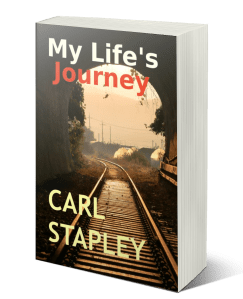
Over the last year I helped a friend, Carl Stapley, write his memoir. Writing a book about his life has been something he has dreamt about and aspired in doing for over last 20 years. At the age of 85 years he finally began pursuing his goal.

Carl has limited computer skills and when he mentioned he wanted to write a book I readily agreed to help him. At the time he had over 4 hours of audio completed and nothing written down.

To help assist in his writing of the book I purchased a copy of ‘Dragon – Speech to Text Voice Recognition Software’. Purchasing ‘Dragon’ was definitely well worth the investment as it saved a lot of time and resources in getting the book done at various stages in the writing process to speed up the goal of getting it done and published.

Carl’s book is his personal story from his early memories and recollections reflecting on the hardships growing up in the 1930’s and his many successful endeavors as an entrepreneur. Many readers, including myself, have experienced mixed emotions from sadness in shedding tears to laughing and full of joy while reading the book.

If you are not sure how to go about writing your book I would highly recommend getting a copy to get to know Carl and get ideas for writing yours.

Overall it took about eight months from start to finish and then have it self-published and available for sale on Amazon.

Carl’s book is called “My Life’s Journey” and is available on Amazon in eBook or Paperback.

Book Description of Carl’s Book

A memoir about Carl from his earliest childhood memory. Life growing up in rural Ontario towns, dealing with family relationships and hardships at a very young age.

Carl is a self-starter and the ultimate entrepreneur. He has gone through good times and the bad times and many were life changing events. Everyone has their ups and downs. Carl has salvaged cars and other useful items, torn apart vehicles, been an auto mechanic and body repairman, a salesman, an entrepreneur for many different business adventures and more recently a true craftsman in leather work. He is a man who loves a challenge having many talents and is very knowledgeable.

Writing this book is to help readers understand him as a person and as a human being and realize I am just like you. I only have a one-way ticket for this life and when it is used up, the ride like life itself must come to an end.

Carl Stapley

DNA Testing

This article will look at the benefits of DNA testing for ancestral research and what you can learn from it. We will also examine some of the limitations of DNA testing and how it can be used in conjunction with other research methods.

What is the Difference Between Ancestry DNA and Family Tree DNA Testing?

Ancestry DNA Testing is a type of genetic genealogy that traces your ethnicity and geographic origins. Family Tree DNA is a type of genetic genealogy that identifies relatives who are not part of your family tree.

Ancestry DNA testing is a genetic test that looks at your DNA to find out about your ancestral history. Ancestry DNA testing can tell you where your ancestors lived hundreds or even thousands of years ago. It is a type of genetic genealogy that traces your ethnicity and geographic origins.

Family Tree DNA was acquired by an Australian company called MYDNA, Inc. in January 2021. It is also known as Family Finder and is a genetic test that looks at your DNA to find out about recent family history. Family Finder can tell you where you come from on both sides of the family, and how closely related you are to other people in the world. It is designed to find relatives on any of your ancestral lines within the last five generations.

Ancestry DNA Testing is different from Family Finder in the sense that it traces your ethnicity and geographic origins while Family Finder identifies relatives who are not part of your family tree.

Ancestry DNA employs strict security measures and takes your privacy serious as your test results are stored in a secure database. To learn more go to Ancestry to read more…

Also, Family Tree DNA has a great track record and takes your privacy very seriously keeping your information safe. They will never share your test results with any other company.

What are the pro’s and con’s of DNA Testing?

The pro’s of DNA Testing are that it is a safe way of learning about your ancestry and you can find out if you are related to famous people. The con’s of DNA Testing is that it can be expensive and there is no guarantee that the results will be accurate.

How does DNA Testing help in researching your family tree?

DNA testing is a process where people are tested for their DNA to learn their ancestral origins which helps to identify the ancestry of an individual or group. This testing can be done either by extracting DNA from the person’s body or by using old samples of DNA that are found in the family tree.

The DNA test can help in tracing your ancestry by providing information about your family’s past. It also helps you find out who your relatives are and what they might be like. But the test cannot provide you with all the details of who you are, because it only offers insights into what happened to your ancestors, not on how they lived or what they were like as individuals.

The DNA test can also be used to find out whether two people are related or not, by comparing their genetic codes.

The Benefits of DNA Testing for Ancestral Research

DNA testing is a tool that can be used to trace one’s ancestry. This is done by comparing the DNA of an individual to that of others in order to find out their genetic similarities.

The benefits of DNA testing for ancestral research are many. It can help learn about one’s cultural heritage, determine if they are related to other people, and even answer questions about what diseases they may be at risk for.

DNA tests have become more popular in recent years as more people are interested in learning about their ancestry and what it means for their future health risks. DNA testing has become one of the most popular ways to trace ancestry. It is an effective means for people to find out about their genealogy and where they come from.

It can be used to identify biological relatives, including parents, children and other family members. DNA testing is also used to determine the geographical origin of a person’s ancestors and to assist in solving crimes.

DNA testing has many advantages that make it a valuable tool for researchers. One of the most significant advantages is that it provides a complete picture of an individual’s genome, which means they can identify any mutations, hereditary diseases and infer risks of various conditions. DNA testing can also be used to confirm family relationships and determine ancestry.

Some of these advantages include:

-It can help you find your family history

-It can provide you with information about your health and ancestry

-It can help you find your lost relatives or friends

-It can help solve crimes

The False Positives of DNA Test Results

DNA tests are an important tool for many people. They can be used to find out whether a person is related to another, or whether they are the biological parent of a child. DNA tests can also be used to identify whether someone committed a crime.

But there is one major issue with DNA testing: false positives. False positives occur when an individual has been wrongly identified as someone else in the database, and they often happen because of how close two people’s DNA profiles are.

DNA testing is one of the most accurate ways to identify individuals. However, it can sometimes lead to false positives.

False positives are a risk in DNA testing when the person being tested does not have any genetic markers that match with what they are looking for. This can happen when there is an error in the test or when the person being tested has a different ethnicity than what the test was designed for.

Is DNA Testing right for you in researching your family tree?

DNA testing has become a popular method in researching family trees. It is an affordable, efficient and accurate way to find out more about your ancestry.

The test can reveal how your genes are inherited from your ancestors and the ethnicities that you come from.

It is also used in criminal investigations, paternity suits or when there is a need to identify victims of natural disasters or war crimes.

There are many different types of DNA tests available on the market today, but they all work in the same way – by extracting DNA from cells in your mouth and cheek swabs for example.

The most popular type of DNA test is the autosomal DNA test which looks at all parts of your genome that don’t come from either parent (mitochondrial DNA).

Other DNA Testing methods used for researching your family

There are many different methods that are used to research your family using your DNA. One method is called autosomal DNA. This type of testing looks at the 22 pairs of Chromosomes that you inherit from both parents. Another method is called Y-DNA which looks specifically at the Y chromosome, passed down from father to son.

What DNA Testing Methods does AncestryDNA provide?

AncestryDNA provides a variety of DNA test methods to help people discover more about their family history and ethnic origins.

The company offers two DNA test types: AncestryDNA and AncestryHealth. The first is for people who want to trace their ancestry and the second is for those who want to better understand their health risks.

AncestryDNA offers three DNA testing methods: Autosomal, Y-chromosome, and Mitochondrial. The autosomal test provides a detailed look at an individual’s ethnicity from all parts of the world, while the Y-chromosome test traces the paternal lineage of males only (fathers, brothers, sons). The mitochondrial DNA test analyzes both maternal and paternal lineage of females only (mothers, sisters, daughters).

What DNA Testing Methods does MyHeritageDNA provide?

MyHeritageDNA offers a variety of DNA testing methods to help you find out more about your family history.

The company provides a variety of DNA testing methods to help you find out more about your family history.

MyHeritageDNA offers three different types of DNA tests: the MyHeritageDNA test, the MyHeritage Family Tree Builder test, and the MyHeritage Home Test Kit. The company also provides access to raw data from other companies such as 23andMe and FamilyTreeDNA.

The first type of test is the MyHeritageDNA test, which is an at-home kit that contains everything needed for collecting a sample and sending it in for analysis. The second type of test is the MyHeritage Family Tree Builder test.

The MyHeritage Family Tree Builder test is a modern way to preserve your family legacy. This interactive, one-of-a-kind test allows you to trace your ancestry from anywhere in the world. You can create a free account and upload your DNA data from any of the supported DNA testing providers. Uploading your DNA data takes just a few minutes, and then you can get started with the test.

The MyHeritage Family Tree Builder test is used to trace one’s family tree. This test will also provide information on genetic traits, geographical origins, and historical relatives related to the person being tested.

Conclusion: The Future of Personalized Medicine and Simple Solutions to the Problem

In conclusion, personalized medicine is a future where diseases can be treated based on the individual’s genes and DNA. It will also help to reduce the cost of healthcare.

A simple solution to this problem is to use a drug that has been FDA approved and tested for safety and efficacy.

DNA Testing is a tool that can help you in your family tree research but ultimately is your decision to utilize it.

Click the links to learn more about AncestryDNA and FamilyTreeDNA.

You probably have a lot of concerns and are wondering ‘Should I get my DNA tested?’ – Read the articles at Ancestry DNA ‘5 Reasons Not to Take a DNA Test‘ and on Tom’s Guide website ‘DNA test security alert: Why you should think twice about getting one [updated twice]‘ – then make a wise decision.

Good luck in your ancestral research.