

In the digital age, where information is just a click away, there’s an age-old repository of knowledge that often goes overlooked: our own family members. Grandparents, aunts, uncles, and older relatives are living archives of our family’s history, holding stories and information that can illuminate our ancestral roots. In this article, we’ll explore the invaluable process of talking to family members, interviewing older relatives, and uncovering the gems of our genealogical history.

The Importance of Family Conversations
As the hands of time continue to turn, the chance to interact with our great-grandparents slips away. However, our grandparents and aunts and uncles remain a treasure trove of memories and experiences. These conversations bridge the gap between generations, enabling us to preserve family history, traditions, and the essence of our heritage.
1. Preserving Ancestral Information
Talking to your older relatives grants you access to vital details about your family’s past. Names, dates, and places are crucial in tracing your genealogical lineage. By recording this information, you’re creating a living record that future generations can cherish.
2. Capturing Family Stories
Behind every family is a tapestry of stories, anecdotes, and experiences. These narratives often hold cultural, emotional, and historical significance. The personal stories shared by your grandparents and aunts and uncles breathe life into your family’s history.
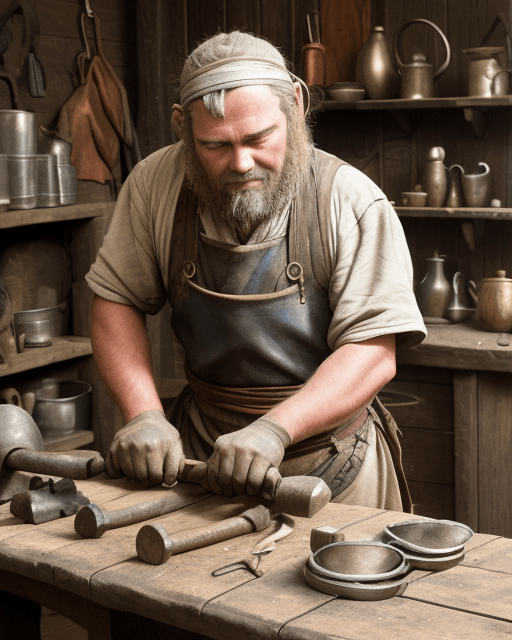
3. Understanding Occupations:**
Learning about the occupations of your ancestors provides insight into their livelihoods, lifestyles, and the societal context they lived in. From farmers to teachers, each profession has a story to tell about the challenges and triumphs of the past.
Questions to Ask
When conducting interviews with older relatives, consider asking questions that delve into various aspects of their lives:
1. What are your earliest childhood memories?
2. Can you describe your parents and grandparents? What were their names, occupations, and where did they live?
3. What significant historical events do you remember from your youth?
4. Did your family have any unique traditions or cultural practices?
5. What challenges did your family face, and how did they overcome them?
6. Are there any remarkable love stories, friendships, or adventures you can share?
7. What was the most memorable advice or lesson you received from your parents or grandparents?
8. Can you recall any funny or heartwarming family anecdotes?
It’s best to prepare a list of questions before your interview. The questions above are just some you can ask.

Recording an audio of the conversation. Before recording an audio interview with a family member, it’s important to ensure you have their explicit authority and consent to use both the gathered information and the audio itself. This not only respects their privacy but also establishes a foundation of trust, allowing you to preserve and share their stories with integrity and respect for their wishes.
Gathering Genealogical Information
In addition to interviews, there are other ways to uncover genealogical information:
1. **Explore Photo Albums:** Old photographs are windows into the past. Examine family photo albums for clues about relatives, locations, and events.
2. **Birth, Marriage, and Death Records:** These official documents provide vital statistics that are essential for building your family tree.
3. **Local Libraries and Archives:** Many local libraries and archives hold historical records, newspapers, and documents that can shed light on your family’s history.
4. **Online Genealogy Resources:** Websites like Ancestry.com, FamilySearch.org, and MyHeritage offer tools and databases to aid in your genealogical research.

Conversations with grandparents, aunts, uncles, and older relatives are like time capsules that connect us to our past. The information, stories, and memories shared during these interactions contribute to our understanding of where we come from. So, take the time to talk, listen, and record these precious moments. Your journey to discovering your past will not only enrich your own life but also create a legacy that future generations will cherish.
 Discovering Your Past