A 12-Stage Guide to Genealogy Research

Researching your family tree can be an exciting and rewarding journey.

I seriously began researching my tree about 10 years ago and made a lot of mistakes. Mistakes I made were a good thing as I learned from them. I researched for months and was wondering why there wasn’t a step by step guide readily available for new family historians?

A few years ago when I wrote my book ‘22 Steps in Researching Your Family Tree’ I thought I had developed an excellent resource for helping others in their search.

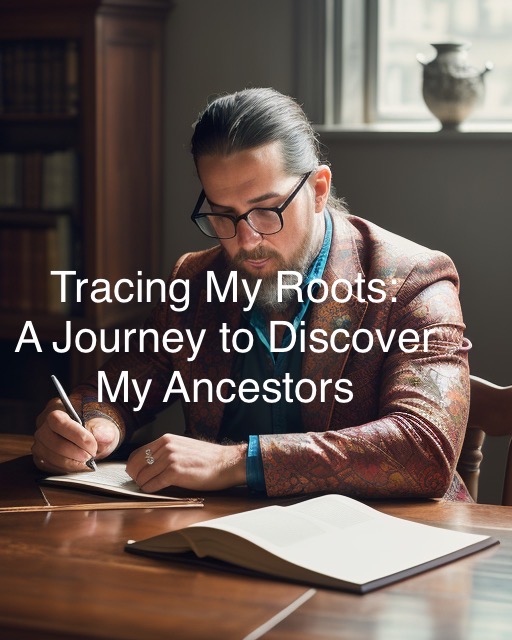
Tracing My Roots: A Journey to Discover My Ancestors

If you are new to genealogy, or the study of family history and ancestry, it can seem overwhelming at first. However, with some basic steps, you can begin to piece together your family’s history and learn about your ancestors. In this blog post, we’ll cover the main things you need to do to get started with genealogy.

1. Start with what you know

The first step in genealogy is to start with what you know. Write down your own information, such as your full name, birth date and place, as well as your parents’ names, birth dates, and birthplaces. Then, move on to your grandparents, and so on. Try to gather as much information as possible, including full names, dates of birth and death, marriage dates, and places of residence.

Family History Benefits Adolescents

Family History Benefits Adolescents

My thoughts on the article on “New BYU study shows one way adolescents can develop healthy identity and why it matters”. Study provides some empirical evidence that supports what Church leaders have long taught about participation in family history. By Rachel Sterzer Gibson 12 March 2023, 10:15 AM EDT

You can read the original article at the link below:

Reference: https://www.thechurchnews.com/members/2023/3/11/23631123/byu-research-impact-of-family-history-adolescent-identity

A new study conducted by Brigham Young University has found that having knowledge of one’s family history can help adolescents develop a healthy sense of identity. The researchers surveyed almost 250 18- to 20-year-old students at seven universities in the US and found that individuals who had healthy identity development also had high levels of family history knowledge. The more youth knew about their parents and grandparents, the better. Specifically, the study found that family history knowledge is linked to healthy adolescent identity development. Adolescents who develop a healthy sense of identity are less likely to struggle later in life with family and individuality conflicts, says the lead researcher, Brian Hill.