5 Generation Pedigree Chart

How To Use a 5 Generation Pedigree Chart

Filling in a 5-generation pedigree chart involves tracking your ancestry back through five generations, typically including yourself, your parents, grandparents, great-grandparents, and great-great-grandparents. Here’s a step-by-step guide on how to use and fill in a 5-generation pedigree chart:

Obtain a Pedigree Chart Template: You can find these online or create one yourself. A 5-generation chart will have five levels, with spaces for names, birthdates, and other relevant information.

1. Start with Yourself:

  • Write your name in the first box at the bottom or center of the chart. Include your birth date and any other pertinent details.

2. Add Your Parents:

  • Write your father’s name in the box above yours on one side. Include his birth date, place of birth, and any other details.
  • Write your mother’s name in the box next to your father’s. Include her birth date, place of birth, and other details.

3. Add Your Grandparents:

  • For each of your parents, add their parents’ names in the boxes above them.
  • Include birth dates, places of birth, marriage dates, and other relevant information.

4. Add Your Great-Grandparents:

  • For each of your grandparents, add their parents’ names.
  • Fill in birth dates, places of birth, marriage dates, and other details.

5. Add Your Great-Great-Grandparents:

  • For each of your great-grandparents, add their parents’ names.
  • Complete the chart with birth dates, places of birth, marriage dates, and other pertinent information.

Research and Verify Information:

  • Use family records, birth certificates, marriage certificates, census records, and other documents to gather accurate information.
  • Talk to relatives who might have additional details or stories.

Keep It Organized:

  • Ensure that each generation is clearly separated and labeled.
  • Use consistent formatting for names, dates, and places to make the chart easy to read.

Update Regularly:

  • As you discover new information or verify existing details, update your pedigree chart.

Share with Family:

  • Share your completed pedigree chart with family members to preserve family history and encourage collaboration in gathering more information.

By carefully filling in each section and verifying your information, you’ll create a comprehensive and valuable family history record.

A Quick Guide
1. Generation I: Yourself – Male symbol: Square – Female symbol: Circle – Start with yourself as the “proband” or “reference person.” – Write your name, date of birth, and sex in the appropriate box.

2. Generation II: Parents – Draw lines connecting you to your parents. – Write their names, dates of birth, and sexes in the boxes representing them.

3. Generation III: Grandparents – Draw lines connecting your parents to their parents (your grandparents). – Write their names, dates of birth, and sexes in the boxes representing them. – If any of your grandparents are deceased, indicate this with a diagonal line through their box.

4. Generation IV: Great-Grandparents – Draw lines connecting your grandparents to their parents (your great-grandparents). – Write their names, dates of birth, and sexes in the boxes representing them. – If any of your great-grandparents are deceased, indicate this with a diagonal line through their box.

5. Generation V: Great-Great-Grandparents – Draw lines connecting your great-grandparents to their parents (your great-great-grandparents). – Write their names, dates of birth, and sexes in the boxes representing them. – If any of your great-great-grandparents are deceased, indicate this with a diagonal line through their box.

Additional Information: If you know the birth or death locations of any of your ancestors, you can include this information within their boxes.

You can also indicate any known medical conditions or genetic disorders that run in your family.

Pedigree charts can be used for a variety of purposes, including genetic analysis, family history research, and medical diagnosis.

FREE 5 Generation Pedigree Chart – Sample

Unlock Your Family’s Legacy with a Family Time Capsule Project

Are you ready to transform the way you explore your family history? If traditional genealogy feels a bit dry or overwhelming, it’s time to rethink your approach. Imagine an evolving, multi-generational project that brings your family tree to life, blending past, present, and future in a unique and dynamic way. Welcome to the Family Time Capsule Project!

What is a Family Time Capsule Project?

The Family Time Capsule Project goes beyond the typical genealogical search. It’s not just about tracing lineage or collecting dusty documents. Instead, it’s about creating a living, breathing archive that integrates personal stories, digital media, and even physical artifacts. This project is designed to grow with your family, ensuring that each generation can contribute their own experiences and memories.

Why a Family Time Capsule?

In our fast-paced world, it’s easy to lose touch with our roots. We might have scattered bits of information, but how often do we sit down and truly connect with our heritage? The Family Time Capsule Project provides a unique opportunity to:

• Preserve Rich Histories: Gather and safeguard invaluable stories and artifacts.

• Strengthen Family Bonds: Create a shared project that involves every family member.

• Engage Younger Generations: Make history fun and interactive with modern technology.

• Create a Lasting Legacy: Build something that future generations can continue to cherish and expand.

Vintage Vehicles

How to Start Your Family Time Capsule Project

1. Gather Historical Data:

• Start with the basics: birth, marriage, and death certificates; census records; and historical photos.

• Interview older family members. Record their stories, memories, and personal anecdotes.

• Research the historical context of your ancestors’ lives to paint a vivid picture of their times.

2. Create Personal Contributions:

• Encourage family members to contribute letters, photos, videos, and digital copies of meaningful objects.

• Collect personal reflections on family traditions, favorite recipes, and funny or touching anecdotes.

• Ask everyone to write letters to future generations, sharing their hopes, dreams, and advice.

3. Integrate Technology:

• Build a family website or secure digital archive where all collected data is stored and accessible.

• Use augmented reality (AR) to create an interactive family tree, allowing users to click on ancestors and view multimedia content.

• Implement blockchain technology to ensure the integrity and security of your digital records.

4. Create a Physical Time Capsule:

• Assemble a physical time capsule to be opened at a specific future date (e.g., 50 years from now). Include printed materials, USB drives with digital content, and meaningful artifacts.

Musical Instruments – Hobbies

• Choose a safe and significant location for storage, such as a family property or a bank safe deposit box.

5. Plan Periodic Updates:

• Make it a tradition to update the digital archive and physical time capsule every 10 years. Gather new contributions during family reunions or significant events.

• Encourage each generation to add their own stories and artifacts, maintaining an ongoing narrative.

6. Engage Younger Generations:

• Create interactive and educational content to captivate younger family members, such as games, quizzes, and AR experiences about their heritage.

• Organize family storytelling sessions where older members share their experiences, and younger members can ask questions and contribute their perspectives.

Ready to Get Started?

The Family Time Capsule Project is more than just a genealogical endeavor; it’s a way to bring your family’s past to life and build a bridge to the future. It’s about creating a shared legacy that everyone in your family can be proud of and contribute to.

So why wait? Start gathering those stories, digitizing those photos, and reaching out to relatives today. Transform your family history from a collection of facts and dates into a rich, vibrant tapestry that will inspire and engage generations to come.

Digitize Photos and Other Articles or Documents

Join the Family Time Capsule movement and create a living legacy that honors the past, celebrates the present, and enriches the future.

10 Unique & Innovative Strategies to Use in Your Genealogy Research

Genealogy has experienced a resurgence in recent years, driven by technological advancements, increased access to historical records, and the rising popularity of DNA testing. In addition to traditional methods of tracing lineages through birth, marriage, and death records, genealogists are now utilizing innovative strategies and techniques to reveal hidden connections, solve ancestral mysteries, and gain deeper insights into their family’s past.

In this blog, we will explore ten unique strategies and techniques for advancing genealogical research in the modern age. From harnessing the power of DNA triangulation and crowdsourcing collaboration to incorporating historical context and conducting ethnographic research, each approach offers a distinct pathway to unlocking the secrets of our ancestors’ lives. Through a combination of traditional genealogical research methods and cutting-edge tools, genealogists can embark on a journey of discovery that transcends borders, spans generations, and enriches our understanding of who we are and where we come from. Join us as we delve into the fascinating world of genealogy and explore the diverse array of methods that continue to revolutionize the field. 

What will these strategies teach you?

  • Explore cutting-edge strategies in genealogical research.
  • Unlock hidden connections and ancestral mysteries.
  • Overcome research barriers and break through brick walls.
  • Gain deeper insights into your family’s history and heritage.
  • Harness the power of technology and collaboration to enrich your genealogical journey.

Genealogy, like many fields, evolves over time with new technologies and methodologies. Here are some unique strategies and techniques you can explore:

  • DNA Triangulation: Utilize DNA matching services to identify common ancestors among genetic matches, helping to confirm relationships and break through brick walls in your research.
  • Cluster Genealogy: Grouping individuals into clusters based on demographic or geographic similarities can reveal connections that might not be immediately obvious. Software tools like Genetic Affairs can assist in this process.
  • One-Name Studies: Focus on researching everyone with a particular surname, regardless of their relationship to you. This can provide valuable insights into surname origins, distribution patterns, and potential distant relatives.
  • Citizen Science Projects: Join genealogical citizen science projects that aim to crowdsource data collection and analysis. Projects like the Global Family Reunion and the DNA Land Matching Project offer opportunities to contribute to larger research efforts. If you plan on a get together or a family reunion you could check out Reunacy or MyEvent to plan the special occasion.
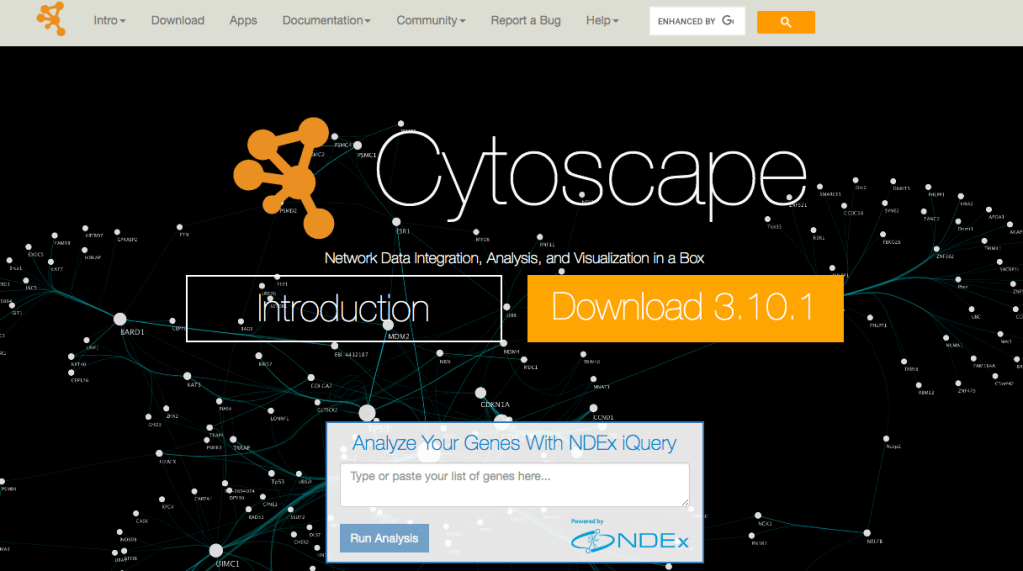
  • Social Network Analysis: Apply social network analysis techniques to genealogical data to visualize and analyze complex family relationships. Software tools like Gephi or Cytoscape can help in this regard.
  • Genetic Genealogy Education: Stay updated on advancements in genetic genealogy by attending workshops, webinars, and conferences. Understanding the latest methodologies and tools can significantly enhance your research capabilities.
  • Incorporating Historical Context: Contextualize your ancestors’ lives within historical events and social conditions of their time. This can provide valuable insights into their motivations, movements, and relationships.
  • Crowdsourcing and Collaboration: Engage with other genealogists through online forums, social media groups, or collaborative research projects. Sharing information and collaborating with others can lead to new discoveries and breakthroughs.
  • Utilize Niche Records: Explore lesser-known or niche record collections specific to your ancestors’ locations or occupations. Examples include church records, military pension files, and probate records, which may contain valuable genealogical information.
  • Ethnographic Research: Conduct ethnographic research to gain a deeper understanding of your ancestors’ cultural practices, traditions, and beliefs. This can provide context for interpreting historical records and family stories.

By incorporating these strategies and techniques into your genealogical research, you can uncover new insights and make meaningful connections within your family tree.

This blog post is an excerpt from an upcoming book “Unveiling Ancestral Threads – Innovative Strategies in Modern Genealogy” which will be released soon on Amazon.

This book is designed to help individuals interested in genealogy, regardless of their level of experience. It provides a comprehensive guide that encompasses a wide range of strategies and techniques, from basic genealogical research steps to advanced methodologies.

Beginners will find valuable information and guidance in the foundational chapters, such as “Building the Foundation: Steps in Basic Genealogy,” which cover essential concepts and techniques to kickstart their research journey. Intermediate genealogists will benefit from the more advanced strategies presented throughout the book, including DNA triangulation, niche record exploration, and ethnographic research.

Overall, “Unveiling Ancestral Threads” will serve as a resource for anyone seeking to deepen their understanding of genealogy and uncover the stories of their ancestors using innovative approaches and methodologies. Whether you’re just starting out or looking to expand your research toolkit, this book offers insights, tips, and practical advice to guide you on your genealogical journey.

Stay tuned for more updates…