
I haven’t written any articles lately since publishing my new book and thought I would write something different and interesting.
Over the years, I have indulged in various hobbies that have brought me joy and fulfillment. Some of these hobbies may have remained hidden to my children and grandchildren, becoming cherished memories of my younger years. One such hobby that holds a special place in my heart is collecting comic books, which began during my childhood.
As a young enthusiast, I discovered the world of comic books and quickly became captivated by the vibrant artwork, captivating stories, and larger-than-life characters. My passion for comic book collecting blossomed, and it became an exciting adventure to seek out and add new issues to my growing collection.

One vivid memory that stands out is visiting my Uncle Bill and Aunt Alice’s home in Carnarvon, Ontario. It was there that I was introduced to a treasure trove of comics belonging to my cousin Brian. We would spend countless hours poring over the pages, immersing ourselves in the extraordinary adventures of superheroes, detectives, and everyday characters that became part of our imaginations.
In those moments, comics provided a bond between my cousin and me, allowing us to share our excitement and discuss the fascinating stories and artwork. It was not just about collecting the comics; it was the joy of reading, discussing, and imagining ourselves within those vibrant panels.
As time went on, my comic book collection grew, with titles ranging from Superman and Batman to Spider-Man and X-Men. Each issue held a world of possibilities and provided an escape into realms where imagination knew no limits.
There was a time when I would draw my favourite characters (even though they have been lost in time). Silly putty was a big thing as a kid as I would (like many other kids) transfer the cartoon onto the Silly Putty, it was cool back then.
Silly Putty is a non-toxic, stretchable, and moldable toy that is often enjoyed by both children and adults. It was originally created as a failed attempt to develop a synthetic rubber during World War II. Silly Putty is composed of a viscous, silicone-based polymer that exhibits unique physical properties.
This peculiar material has fascinating characteristics. It can stretch, bounce, and even act as a temporary adhesive, allowing it to pick up images from newspapers and comics when pressed onto them. Silly Putty is also known for its distinctive property called “drippy flow,” where it slowly oozes like a liquid over time.
The versatile nature of Silly Putty encourages creativity and playfulness. It can be squeezed, molded into various shapes, and used for fun activities like bouncing it, stretching it, or rolling it into a ball. It can also be used to transfer images, as mentioned earlier, making it a source of amusement for kids and collectors alike.
Although Silly Putty’s primary purpose is for entertainment and stress relief, it has also found practical applications in fields such as physics and engineering. Researchers have utilized its unique properties to simulate various physical phenomena, such as modeling earthquakes or studying materials science.
Silly Putty has become an enduring classic in the world of toys, captivating generations with its squishy and malleable nature. Its ability to provide tactile stimulation and unleash the imagination has made it a beloved and nostalgic item for many, serving as a timeless reminder of carefree playfulness.
Now, as I reflect on those early years, I realize that my children and grandchildren may not be aware of this particular hobby that brought me so much delight. However, it is a part of my personal history, a reminder of the things that sparked my imagination and helped shape my love for storytelling and art.
While my focus may have shifted to other hobbies and interests over the years, the memories of collecting and reading comics remain cherished. Perhaps sharing these stories with my children and grandchildren will not only provide a glimpse into my own past but also inspire them to explore their own hobbies and passions, forging their unique paths of discovery and joy.
As we navigate the complexities of life, it is through hobbies and shared experiences that we can connect across generations, bridging the gap between past and present, and fostering a deeper understanding of the passions that shape who we are.
I may be revealing my age, but as a young kid growing up in the vibrant 1960s, my passion for comics knew no bounds. Those colorful pages held countless adventures that fueled my imagination and taught me valuable lessons along the way. I fondly recall my stacks of comics, amassed through purchases, collections, borrowing, and exciting trades with friends. In this article, we’ll journey back in time and revisit some of the comics I immersed myself in, hoping to spark cherished memories or ignite new ones within you.
- Superheroes Galore: The realm of superheroes was my gateway to thrilling escapades. Marvel and DC Comics ruled the scene, introducing me to iconic characters like Superman, Batman, Spider-Man, and the Fantastic Four. Their extraordinary powers and unwavering determination inspired me to embrace bravery, justice, and the belief that even the smallest of individuals could make a difference.
- Archie Comics: In the quaint town of Riverdale, the beloved Archie and his pals entertained me with their humorous misadventures, teenage romances, and the eternal love triangle between Archie, Betty, and Veronica. The lighthearted stories and relatable characters provided a delightful escape into the ups and downs of adolescence.
- Classic Disney: The enchanting world of Disney came alive within the pages of comics, where I joined Mickey Mouse, Donald Duck, and their friends on magical journeys. Whether they were exploring ancient ruins, battling wicked witches, or simply enjoying whimsical adventures, these tales showcased the importance of friendship, perseverance, and the wonder of imagination.
- Cartoon Stars: Comics featuring beloved cartoon characters further enriched my reading experience. Bugs Bunny, Daffy Duck, Tom and Jerry, and the Flintstones brought laughter and joy as their amusing antics unfolded before my eyes. Their witty banter and hilarious mishaps never failed to brighten my day.
- Action-Packed War Comics: The war comics of the 1960s, such as Sgt. Fury and His Howling Commandos and G.I. Joe, transported me to battlefields where heroism and camaraderie triumphed over adversity. These gripping tales, often inspired by real-world conflicts, conveyed the resilience, sacrifice, and bravery of soldiers fighting for freedom.
Reflecting on those cherished comics of yesteryear brings a wave of nostalgia, reminding me of the countless hours spent flipping through pages and immersing myself in the colorful worlds they depicted. I hope this article sparks similar fond recollections within you, whether you share the same memories or discover new comics to explore. So let’s embark on this journey together, diving into the comics that shaped our younger years and relishing the memories they bring or the new adventures they may inspire.
As a kid growing up in the 1960s, I was fortunate to be surrounded by a diverse array of comics that sparked my imagination and brought me joy to my days. The comic book landscape during that time was bursting with colorful characters and thrilling stories, offering a wide range of choices to young readers like myself. Among the many comics I enjoyed, a few stand out prominently.
The world of comics has been graced with a host of iconic characters, each bringing their unique charm and humor. Bugs Bunny, Daffy Duck, Donald Duck, and Mickey Mouse, beloved stars of cartoons and movies, have also made their mark in the realm of comic books, enchanting readers of all ages with their mischievous antics and lovable personalities.
Bugs Bunny, the wise-cracking hare with an insatiable appetite, captured hearts through his quick wit and clever schemes. In the pages of comics, Bugs Bunny’s adventures took on new dimensions, transporting readers to whimsical worlds where he outsmarted his adversaries and entertained with his signature catchphrases like “What’s up, Doc?”
Daffy Duck, with his zany and unpredictable nature, provided endless laughter. From his exaggerated expressions to his comedic timing, Daffy Duck’s comic book appearances showcased his irresistible charisma. Whether he was chasing fame and fortune or finding himself caught in amusing predicaments, Daffy Duck’s misadventures never failed to entertain.
Donald Duck, the easily frustrated but endearing character, won the hearts of readers with his distinct voice and lovable quirkiness. Donald’s comic book escapades often featured his mischievous nephews Huey, Dewey, and Louie, adding to the humor and mayhem. The stories highlighted Donald’s determination, resilience, and occasional temper tantrums, creating relatable and comical situations.
Mickey Mouse, the iconic symbol of the Walt Disney Company, took the comic book world by storm. With his infectious optimism and adventurous spirit, Mickey Mouse captured the imagination of readers worldwide. Whether he was embarking on daring quests or finding himself in humorous predicaments, Mickey’s comic book stories celebrated friendship, bravery, and the joy of exploration.
These classic characters not only entertained readers but also taught valuable life lessons. Through their stories, readers learned about the importance of friendship, resilience, and finding humor in challenging situations. The comics featuring Bugs Bunny, Daffy Duck, Donald Duck, and Mickey Mouse were a gateway to imagination, encouraging readers to embrace their creativity and find joy in the simplest of things.
The enduring popularity of these characters is a testament to their timeless appeal. From the golden age of comics to the present day, Bugs Bunny, Daffy Duck, Donald Duck, and Mickey Mouse have delighted audiences across generations. Their legacy in the comic book medium continues to inspire and entertain, reminding us of the power of laughter and the enduring magic of beloved characters that have become ingrained in popular culture.
So, whether it’s the clever quips of Bugs Bunny, the zany antics of Daffy Duck, the unpredictable adventures of Donald Duck, or the endearing charm of Mickey Mouse, these classic comic book characters have left an indelible mark on the hearts of readers, ensuring that their laughter-filled tales will continue to bring joy for years to come.
Some Other Comics I’ve Read
The world of Riverdale came to life through the pages of “The Archie’s” comics, introducing you to the lives and adventures of Archie Andrews, Betty Cooper, Veronica Lodge, and their friends. The relatable high school tales, peppered with humor and a touch of romance, provided a delightful escape into the lives of these iconic characters.
“Casper the Friendly Ghost”: The gentle spirit known as Casper touched your heart with his friendly demeanor and his desire to bring happiness to those he encountered. The whimsical adventures of Casper, along with his ghostly companions, transported you to a world where kindness and friendship triumphed over fear and misunderstanding.
Diving into the depths of the sea, you embarked on thrilling adventures alongside the underwater superhero Aquaman. His ability to communicate with marine life and protect the oceans resonated with your love for aquatic creatures and fueled your imagination as you joined him on quests to defend the seas.
The blind superhero Daredevil, with his acrobatic skills and heightened senses, captured your imagination and took you on adrenaline-pumping escapades through the gritty streets of Hell’s Kitchen. The dynamic storytelling and intricate moral dilemmas of Daredevil’s world made for riveting reads that left a lasting impression.
Immersing you in the thrilling world of military adventures and heroic combat. These titles offered a glimpse into the lives of brave soldiers, showcasing their courage, camaraderie, and unwavering dedication to protecting freedom.
The “G.I. Joe” comics introduced you to an elite team of soldiers who fought against the forces of evil, defending justice and freedom around the world. The gripping stories, combined with intricate missions and cutting-edge weaponry, allowed you to witness the triumphs and struggles of these real American heroes. From Duke and Scarlett to Snake Eyes and Storm Shadow, the characters in “G.I. Joe” inspired you with their bravery and commitment to the greater good.
In the action-packed pages of “Sgt. Fury and His Howling Commandos,” you experienced the intensity and sacrifice of World War II through the eyes of Nick Fury and his band of fearless soldiers. The tales of their daring exploits behind enemy lines showcased the resilience and valor of the Allied forces. Through the camaraderie of the Howling Commandos, you witnessed the power of teamwork and the indomitable spirit of those who fought for freedom.
In the realm of superheroes, the caped crusader Batman and his trusted sidekick Robin captured your imagination. The dark and brooding world of Gotham City, plagued by crime and corruption, served as the backdrop for their adventures. Batman’s detective skills, gadgets, and unparalleled combat abilities fascinated you, while Robin added youthful energy and enthusiasm to their crime-fighting escapades. Together, they exemplified the power of justice, resilience, and the pursuit of a safer world.
Superman – The Man of Steel: A Timeless Icon of Heroism
My favorite growing up was Superman, and as I look back I wonder if my parents read these comics when they were young kids.

Reading DC Superman comics in the 1940s and 1950s likely had a limited direct impact on our ancestors’ genealogy. While comics can influence popular culture and shape personal interests, their direct effect on genealogical aspects such as family history, lineage, or genetic traits is typically minimal. However, it’s important to remember that personal experiences and interests can contribute to one’s broader cultural and social context, which might indirectly shape family dynamics and values over time.
Superman comics were created primarily as a form of entertainment and storytelling. The character of Superman was introduced in 1938 by writer Jerry Siegel and artist Joe Shuster, published by DC Comics. Superman was a response to the growing demand for superhero stories during that era.
My Dad was born in 1933 and was 5 years old when the first issue was released in 1938. I would like to think that he had and I wish I had talked to him more when he was growing up because he passed away in 2000.
The creators of Superman aimed to offer readers an iconic and aspirational character with extraordinary abilities, fighting for justice and protecting the innocent. The success of Superman comics led to the establishment of the superhero genre and paved the way for numerous other beloved characters and stories in the comic book medium.
DC Superman Comics, with their iconic red and blue-clad hero, have enthralled readers for decades. Beyond their captivating stories and stunning illustrations, these comics hold a special place in the hearts of many, including our ancestors.
In this blog article, we delve into the creation of Superman comics and explore the potential impact they had on the lives of those who came before us.
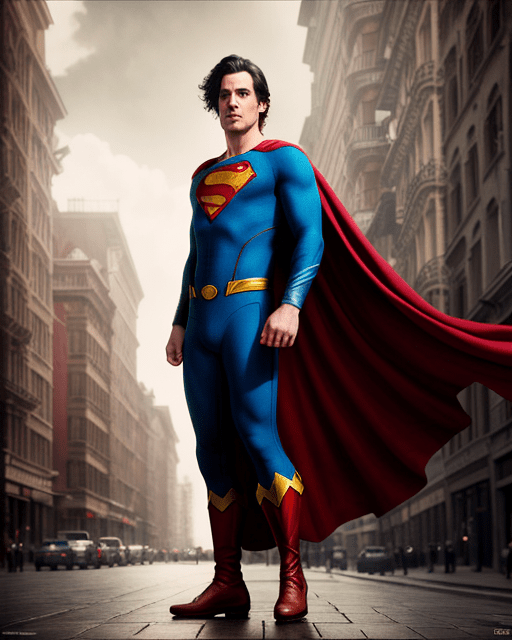
When Superman first burst onto the comic book scene in 1938, it forever altered the landscape of the medium. Born out of a desire to captivate readers with a character of immense power and unwavering justice, Superman quickly became an overnight sensation. His superhuman abilities, secret identity as Clark Kent, and moral code resonated deeply with audiences, drawing them into a world of imagination and heroism.
During the 1940s and 1950s, when our ancestors were reading Superman comics, the world was undergoing significant changes. World War II had ended, but the anxieties of the Cold War era prevailed. In this tumultuous period, comics, including Superman, offered a much-needed escape from reality. The colorful pages transported readers to a realm where good triumphed over evil and justice prevailed. Superman’s unwavering commitment to truth and fairness instilled a sense of hope and inspiration, providing a refuge from the uncertainties of the time.
While the direct impact of Superman comics on genealogy may be limited, they undoubtedly left an indelible mark on our ancestors’ cultural and social context. The rise of superheroes in popular culture, spearheaded by Superman, influenced various aspects of society. The comics sparked the imaginations of young and old alike, fostering a sense of wonder and adventure. Superman’s values, such as truth, justice, and compassion, became embedded in the collective consciousness, shaping the moral fabric of communities.
Superman comics also played a role in fostering family bonds and shared experiences. Parents and children would gather to read and discuss the latest adventures of the Man of Steel. These shared stories became a bridge between generations, fostering connections and passing down the love for Superman from one family member to another. The comics sparked conversations and ignited imaginations, providing a common ground for discussions and creating cherished memories.
DC Superman Comics, since their creation, have captivated audiences with their tales of heroism and extraordinary feats. While their direct impact on genealogy may be limited, their influence on our ancestors’ lives was far-reaching. Superman comics provided a form of escapism, inspiration, and shared experiences, shaping the cultural and social fabric of the time. As we reflect on the legacy of Superman, we can appreciate the enduring power of storytelling and the way it connects generations, reminding us of the indomitable human spirit and the universal values of truth and justice.
Who Was Superman?
Superman, who stands tall as the epitome of heroism and the embodiment of hope. The ‘Man of Steel’, with his iconic blue suit, red cape, and the symbol of the House of El emblazoned on his chest, has captivated readers for generations.
Superman’s origins lie on the distant planet of Krypton, where he was born as Kal-El. Sent to Earth as an infant by his parents, Jor-El and Lara, he was raised by the loving Kent family in Smallville. As Clark Kent, he navigates the challenges of everyday life while secretly using his incredible powers to protect the innocent and uphold justice.
Superman’s unwavering commitment to truth, justice, and the American way has made him an enduring symbol of heroism. His superhuman abilities, including super strength, speed, flight, and heat vision, have made him an unstoppable force against villains and threats to humanity.
However, what truly sets Superman apart is his compassionate nature and his unwavering moral compass. He is a beacon of hope, inspiring others with his selfless acts and relentless pursuit of a better world. Whether he’s rescuing innocent civilians from danger or standing up against injustice, Superman represents the embodiment of noble virtues and the triumph of good over evil.

Over the years, Superman’s adventures have spanned comic books, television shows, films, and various forms of media. His enduring popularity lies in his ability to transcend time and resonate with audiences of all ages. Superman is not just a superhero; he represents the innate human desire for a savior, someone who can inspire us to be better and remind us of the power of truth and justice.
So, embrace your love for Superman and continue to be inspired by his unwavering heroism. Let his example remind you that with strength, compassion, and an unwavering commitment to truth, justice, and the pursuit of a better world, you too can soar to new heights and make a difference.
As one of my favourite characters, Superman holds a special place in my heart. Through his stories, I have witnessed epic battles against formidable foes like Lex Luthor and General Zod, and experienced the emotional depth of his struggles to balance his dual identity and personal relationships.
Superman’s legacy is more than just a fictional character; it symbolizes the potential for greatness within each of us. The ‘Man of Steel’ reminds us that even in our own lives, we can strive to be a force for good, to protect the weak, and to make a positive impact in the world.
During the tumultuous era of World War II, Superman emerged as a symbol of hope and inspiration for children around the world. As the war ravaged nations and families were torn apart by conflict, the Man of Steel provided a ray of light in the darkest of times.
Superman comics became a refuge for children, offering an escape from the harsh realities of war. The stories of this extraordinary superhero, with his unmatched strength and unwavering dedication to justice, instilled a sense of courage, resilience, and the belief that good would ultimately triumph over evil.
Through the pages of Superman comics, children witnessed the embodiment of heroic ideals. Superman’s selfless acts of bravery, his unwavering commitment to protecting the innocent, and his indomitable spirit resonated deeply with young readers who longed for a sense of security and stability in an uncertain world.
Superman became an aspirational figure for children during this time. They looked up to him as the embodiment of strength and righteousness, and his character served as a moral compass in a world filled with chaos and uncertainty. His steadfast determination to fight injustice and protect the weak resonated with children who sought solace and hope in the face of adversity.
In addition to the character of Superman himself, the stories often featured themes of unity, perseverance, and the triumph of good over evil. Children found solace in the tales where Superman, along with other heroes, would band together to defeat powerful adversaries. These narratives showcased the power of teamwork and the belief that, even in the face of overwhelming odds, individuals working together could bring about positive change.
Superman comics also served as a unifying force for children during the war. Through their shared love for the Man of Steel, children found common ground, forming bonds and friendships that transcended geographical boundaries and cultural differences. The stories provided a sense of community, a shared experience that brought children together in their admiration for a hero who represented the best qualities of humanity.
In a time marked by fear and uncertainty, Superman was a symbol of resilience and hope. He reminded children that even in the darkest of times, they could find strength within themselves to stand up against injustice and make a positive impact. The ideals embodied by Superman during World War II left an indelible mark on the hearts and minds of countless children, shaping their values and inspiring them to become heroes in their own right.
As we look back at the role Superman played during World War II, we recognize the profound impact he had on children who sought solace, inspiration, and a beacon of hope. Superman served as a reminder that, even in the face of unimaginable challenges, the human spirit could rise above adversity and strive for a better future.
Did you or your ancestors read comics? If so, what comics did they read?
Comics have been a beloved form of entertainment for generations, captivating readers with their vibrant illustrations and captivating stories. As we explore our own family histories, it’s intriguing to discover the comics that held a special place in the hearts of our ancestors. Whether it was the Golden Age classics like Superman, Batman, or Wonder Woman, or the Silver Age gems like Spider-Man, X-Men, or The Fantastic Four, comics have left an imprint on the lives of many. So, did you or your ancestors delve into the colorful pages of comics? If so, we would love to hear about the comics that sparked their imaginations and became part of their cherished memories. Share your stories and let us unravel the rich tapestry of comic book nostalgia that connects us across generations.
Superman – The Man of Steel: A Timeless Icon of Heroism
Download the 1st copy of DC Superman June 1938 – pdf
Download Issue 221 – DC Comics (10/1956) – pdf (Issue that was released the month I was born)
If you’re a comic book fanatic and would like more Superman issues to read in pdf format, contact me.
Also:
Don’t forget to check out my new genealogy books on Amazon!
Discovering Your Past – The Genealogy Bible Vol 1 and Discovering Your Past – Charts & Forms Vol 2








 Discovering Your Past