
Unearthing the Storyteller in Our Ancestral Roots

NOTE: At the end of the blog – Download and Read the FREE Short Story (14 pages)

Genealogy is a fascinating journey that unveils the hidden stories of our ancestors. As we delve into the past, we often uncover remarkable surprises, connecting us to extraordinary individuals who have left their mark on history. In this enthralling chapter of our family tree, we have stumbled upon an extraordinary revelation – one of our ancestors was not just an ordinary person, but an accomplished author and storyteller. Join us as we embark on this literary adventure, piecing together the life and legacy of our talented forebear.

Our journey begins with a serendipitous discovery while sifting through old family records and heirlooms. Amongst the dusty volumes of handwritten letters and faded photographs, we stumble upon a tattered journal, brimming with the eloquent prose of our ancestor. It dawns on us that we may have a literary treasure trove in our possession.

As we meticulously comb through the journal’s pages, we encounter vivid descriptions of long-forgotten landscapes, heartwarming anecdotes, and captivating tales of the past. We find ourselves transported to distant times and places, where our ancestor’s words breathe life into the narratives of bygone eras.

Carefully tracing the clues provided by the journal, we follow the footsteps of our ancestor’s life. Historical records and local archives help us piece together a vivid portrait of their journey – from humble beginnings to literary success.

Along the way, we learn about the challenges our storyteller ancestor faced. As we delve deeper into their life, we discover the adversities they encountered in pursuing a career in writing during their time. From societal expectations to financial struggles, their path to becoming an author was not without obstacles.

Yet, our forebear’s perseverance and passion for storytelling persevered. The written words became their refuge, allowing them to express their innermost thoughts and create worlds that captivated readers from all walks of life.

We are elated to learn that our ancestor’s writing extended beyond the confines of the journal. In our research, we unearth newspaper clippings, magazine articles, and even a published book. Their work covers an array of genres, from fictional tales to insightful essays, reflecting a diverse and imaginative mind.

Our journey also leads us to discover the impact our ancestor had on their community and the literary world. We find records of book readings, literary gatherings, and even reviews of their writings in publications of their time.

As we absorb the literary gems of our ancestor, we come to appreciate the shared passion for storytelling that spans generations. Reading their words, we find familiar themes, emotions, and expressions that echo in our own lives.

In connecting with our ancestor’s creative spirit, we find a profound sense of belonging and an intimate bond that transcends time and space. We, too, are storytellers in our own right, passing down tales and anecdotes through the ages.

Our journey into our ancestor’s literary world leaves us with more than just an understanding of our past. It ignites a newfound inspiration to continue the legacy of storytelling in our family. The discovery of our ancestor’s literary prowess reminds us of the enduring power of words and the potential impact we can have on future generations.

Uncovering the storyteller in our ancestral roots has been an awe-inspiring adventure. We have unearthed a treasure trove of literature, a legacy that intertwines our lives with those who came before us. This journey of discovery has enriched our understanding of our family history and strengthened our connection to the literary heritage we inherit. As we continue our own journey, we carry forward the torch of storytelling, ensuring that our ancestor’s words continue to echo through the ages.

Unraveling the diverse occupations, things they liked and hobbies of our ancestors, especially those of our accomplished storyteller, has been a true genealogy gem that has enriched our family’s legacy. The discovery of our ancestor’s literary pursuits, their passion for storytelling, and the plethora of interests they pursued during their lifetime have offered us a precious window into the past.

Sharing these revelations with other family members is not just a way to pass down information but also a means to ignite a spark of curiosity and wonder in the hearts of our loved ones. As we collectively explore our ancestral heritage, we foster a deeper understanding of our roots, identity, and the rich tapestry of experiences that have shaped us.

By delving into the vast array of genres and hobbies our ancestors engaged in, we celebrate the diversity within our family tree and recognize the vastness of human potential. We come to realize that creativity and passion have always been a part of our lineage, inspiring us to nurture our own interests and explore the paths that resonate with our souls.

The act of sharing these discoveries with our family creates a collective sense of pride and unity. Our ancestor’s literary pursuits and varied hobbies are a reminder that, like them, we, too, have the capacity to leave behind a meaningful legacy for future generations. Our own interests, talents, and hobbies could inspire our descendants just as our ancestor’s words and creations continue to inspire us today.

In cherishing the gems of our genealogy, we forge a stronger connection to our family’s past while building a bridge to the future. As we pass down these stories, we sow the seeds of curiosity and instill a deep appreciation for our ancestral history. Our family’s tapestry becomes richer and more vibrant as each member contributes their unique interests and passions to the collective narrative.

In conclusion, exploring the diverse genres and hobbies of our ancestors is a journey of self-discovery, connection, and inspiration. It reminds us that we are part of a long and intricate story, and we play an essential role in shaping its future chapters. Let us share these precious genealogy gems with open hearts, so that the legacy of our ancestors may continue to thrive and inspire generations yet to come.

Write your own autobiographical odyssey  – a priceless gift to those who will journey through time, guided by the wisdom, experiences, and passions of their ancestors.

Check out my new genealogy books on Amazon!
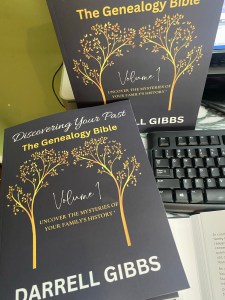
Discovering Your Past – The Genealogy Bible Vol 1 and Discovering Your Past – Charts & Forms Vol 2

Download and Read the FREE Short Story (14 pages)

The Fascinating World of Genealogy Using Church Records

Welcome to a journey through time, where we dive into the captivating realm of genealogy. In this blog, we will explore the art of tracing our ancestry, unearthing forgotten stories, and connecting with our roots using church records. Genealogy, a pursuit as old as humanity itself, has been revolutionized in recent times, making it more accessible and rewarding than ever before. Join us as we delve into the methods, tools, and emotional revelations that come with exploring our family history.

1. The Digital Age of Genealogy:

In the digital era, genealogy has undergone a significant transformation. Online platforms and genealogical databases have democratized the process, allowing individuals to access vast archives and historical records from the comfort of their homes. We will explore the popular websites and resources that aid in genealogical research, enabling you to build your family tree with unprecedented ease.

2. DNA Testing and Genetic Genealogy:

Advancements in DNA testing have opened up a whole new dimension in genealogy. Learn about the power of genetic genealogy and how DNA testing can connect you with distant relatives, shed light on your ancestral origins, and even solve long-standing family mysteries.

3. Uncovering Hidden Stories:

Every family has its share of untold stories, and genealogy is the key to unlocking them. Discover how genealogical research can reveal long-forgotten tales of triumphs, struggles, migrations, and the resilience of our ancestors.

4. Connecting with Living Relatives:

Genealogy is not just about the past; it also fosters connections in the present. Learn about heartwarming stories of families reuniting after years of separation and how distant cousins find each other through shared genealogical pursuits.

5. Preserving Family Heritage:

As we uncover our family’s history, we gain a sense of responsibility to preserve this precious heritage for future generations. Explore the various methods of preserving family stories, documents, and heirlooms, ensuring that our legacy lives on.

6. Genealogy Tourism:

Traveling to the lands of our ancestors can be a deeply enriching experience. Genealogy tourism has become increasingly popular, as people embark on pilgrimages to their familial homelands, walk in their ancestors’ footsteps, and immerse themselves in local cultures.

7. Overcoming Challenges in Genealogy:

Genealogical research is not without its obstacles. Discover common challenges faced by genealogists and learn effective strategies to overcome them, whether it’s navigating incomplete records, dealing with conflicting information, or encountering unexpected surprises.

8. Researching Your Ancestors Using Church Records:

Church records have long been invaluable resources for genealogists, providing a wealth of information about our ancestors’ vital events and religious affiliations. These documents can offer essential clues to extend family trees and paint a vivid picture of our forebears’ lives. In this section, we will explore the significance of church records and how to harness their potential in your genealogical research.

a. Birth, Marriage, and Death Records: Churches have traditionally maintained meticulous records of baptisms, marriages, and burials, often spanning several centuries. These records can be a goldmine of information, offering names, dates, and locations that serve as stepping stones in tracing your lineage. By delving into these archives, you can uncover significant milestones in your family’s history.

b. Parish Registers and Church Censuses: Parish registers, maintained by local clergy, chronicle significant events within the community. Alongside birth, marriage, and death entries, they may also contain details on confirmations, first communions, and other sacraments. Additionally, some churches conducted censuses or headcounts, providing valuable insights into the demographics of their congregation and the surrounding neighborhood.

c. Marriage Banns and Licenses: Marriage banns were public announcements of an impending marriage, intended to identify any legal impediments. These banns can offer insights into potential relatives or connections between families. Marriage licenses, issued by ecclesiastical authorities, may provide further details about the couple’s background and parental consent.

d. Church Membership and Communion Records: Church membership rolls and communion lists can help you understand the religious life of your ancestors. These records may reveal the frequency of their attendance, their participation in church activities, and even any disciplinary actions taken against them.

e. Gravestones and Memorial Inscriptions: Churchyards often contain ancient gravestones with inscriptions that go beyond simple names and dates. These inscriptions might include meaningful epitaphs, familial relationships, or symbols that reflect the deceased’s occupation, beliefs, or social status.

f. Local Parish Histories: Some churches have published histories that shed light on their congregation and the community they served. These historical accounts might include anecdotes, biographies, and illustrations, providing a broader context for your ancestors’ lives.

Tips for Successful Church Records Research

1. Identify the Relevant Church: Determine the religious denomination of your ancestors, as well as the specific church or parish they were associated with. This information is crucial in locating the appropriate records.

2. Consult Local Archives and Repositories: Many church records are now digitized and available online, but some might still be preserved in local archives or historical societies. Visit these institutions to access additional records that may not be easily accessible online.

3. Transcription and Translation: Church records might be written in archaic handwriting or different languages, depending on the region and time period. Familiarize yourself with these variations or consider seeking the help of experts in transcription or translation to accurately interpret the information.

4. Cross-Reference with Other Sources: Corroborate the information found in church records with data from civil registration, census records, and other genealogical sources. This cross-referencing can help verify the accuracy of your findings.

Incorporating church records into your genealogical research can unlock significant pieces of your family history puzzle, providing a profound connection to the past and adding depth to your understanding of your ancestors’ lives.

As we conclude this exploration of genealogy and its myriad facets, we are left with a profound appreciation for the journey of discovering our ancestral roots. From the digital age’s convenience to the power of DNA testing, genealogy has evolved into a captivating endeavor, accessible to all who seek to know more about their family history.

Throughout this blog, we’ve witnessed how genealogy connects us not only to our past but also to living relatives, forging bonds that transcend time and distance. Uncovering hidden stories and preserving our family heritage become acts of love, ensuring that the memories of those who came before us endure for generations to come.

As genealogy enthusiasts, we’ve learned to navigate challenges and obstacles with patience and determination, appreciating that every discovery, no matter how small, adds an essential thread to the tapestry of our lineage.

And, of course, we cannot overlook the invaluable contribution of church records, rich repositories of our ancestors’ vital events, religious connections, and community ties. The insights gleaned from parish registers, gravestones, and historical church histories have offered us glimpses into the lives of those who lived before us, enriching our understanding of our family’s story.

As you embark on your own genealogical journey, we encourage you to embrace the fascination of the past, the excitement of discovery, and the joy of connecting with fellow researchers and long-lost relatives. The world of genealogy is vast, and there are always new tales to be unveiled and cherished.

May your pursuit of genealogy be a fulfilling and rewarding experience, one that not only shapes your understanding of your family’s history but also leaves a lasting legacy for generations yet to come. As we continue to unravel the past, we find ourselves on a timeless quest, seeking the truth of who we are, where we came from, and the boundless potential of our shared human heritage.

Happy researching, fellow genealogists, and may your journey be as extraordinary as the stories you uncover!

Don’t forget to check out my new genealogy books on Amazon!

Discovering Your Past – The Genealogy Bible Vol 1 and Discovering Your Past – Charts & Forms Vol 2

Genealogical Research in Immigration Records

Tracing Your Ancestors’ Journey

Tracing our ancestors’ footsteps and understanding their journeys is an exciting and rewarding aspect of genealogy. One pivotal chapter in many family histories is immigration, as countless individuals embarked on arduous voyages to new lands in search of better opportunities. In this article, we will explore the wealth of information found in immigration records and discuss how they can help uncover the stories of our immigrant ancestors.

Immigration records serve as invaluable resources for genealogists. These documents provide details such as arrival dates, ports of entry, ship names, and even passengers’ personal information. Understanding the significance of these records can significantly enhance our genealogical research and shed light on our ancestors’ migration paths.

There are various types of immigration records to explore, depending on the time period and location of your ancestors’ arrival. Some common examples include passenger lists, naturalization records, passports, border crossing records, and visa applications. Each record type offers unique insights into your ancestors’ immigration experiences and can help build a more comprehensive family narrative.

Passenger lists are among the most commonly used immigration records. They provide detailed information about individuals arriving in a specific port, including their names, ages, occupations, and sometimes even their hometowns. Online databases and archives offer access to digitized passenger lists from different time periods and locations, making it easier than ever to find your ancestors’ arrival records.

For ancestors who sought citizenship in their new homeland, naturalization records are a goldmine of information. These records document the process of becoming a citizen and often contain personal details like birthdates, places of birth, and occupation history. They may also include photographs, signatures, and even personal testimonies, offering a vivid glimpse into your ancestors’ lives.

Beyond passenger lists and naturalization records, there are several other resources that can aid in tracing your ancestors’ immigration journey. These may include alien registration files, immigration correspondence, and citizenship and immigration court records. Exploring these lesser-known resources can unveil hidden details and unique perspectives on your family’s immigration story.

Genealogical research in immigration records can sometimes pose challenges due to factors like misspellings, anglicized names, or incomplete information. Overcoming these obstacles requires creativity and thoroughness. Utilizing sound research strategies, exploring alternative record sources, and collaborating with other researchers can help you overcome these hurdles and continue uncovering your ancestors’ immigration stories.

While immigration records provide essential facts and details, it’s crucial to contextualize your ancestors’ journey within the historical, social, and cultural framework of their time. Understanding the political climate, economic conditions, and social factors that influenced migration patterns can offer deeper insights into your family’s motivations for leaving their homeland.

Abraham’s Search

Abraham sat in his study, surrounded by piles of old family photographs, faded letters, and a sense of curiosity that seemed to consume him. He had always been fascinated by his family’s history, and today he had a specific mission in mind—to find information about his great-great-grandfather, who had immigrated to the Americas in the year 1837.

With determination in his eyes, Abraham began his search by combing through the family records passed down through generations. Amongst the aged papers, he stumbled upon a weathered diary belonging to his great-great-grandmother, Amelia. The diary’s fragile pages revealed glimpses of their family’s story, including the voyage across the vast Atlantic Ocean.

Amelia’s words painted a vivid picture of the hardships they faced during their journey. She described the cramped conditions aboard the ship, the relentless waves, and the fear that gripped the hearts of those on board. But through her writing, there was also a glimmer of hope and excitement, as she expressed her dreams of a better life for her family in the Americas.

As Abraham read through the diary, he uncovered a reference to a port in New York where their ship had arrived. Inspired by this clue, he turned to the internet to search for immigration records from that time period. After countless hours of combing through digital archives, he finally discovered a passenger list that listed his great-great-grandfather’s name—Jonathan Anderson.

Jonathan’s name was nestled within a long list of other immigrants, his age recorded as 28 years old. Abraham’s heart raced as he read the details—Jonathan’s occupation, “farmer,” and his country of origin, “England.” It was a remarkable feeling to see his ancestor’s name etched into history, a tangible connection to the past.

With newfound excitement, Abraham dove deeper into his research. He visited local libraries, scoured historical newspapers, and reached out to genealogical societies. Piece by piece, he uncovered additional information about Jonathan’s life in America—land deeds, census records, and even a newspaper article highlighting his involvement in the local community.

Abraham’s journey took him across different states, tracing his great-great-grandfather’s footsteps. He walked the same streets Jonathan once walked, visited the church where he worshipped, and stood before the house that had sheltered generations of their family.

Throughout his search, Abraham discovered the stories of other immigrants who had sailed alongside Jonathan, forming a tight-knit community in their new home. He connected with distant relatives who shared their own family lore and treasured artifacts, deepening his understanding of his roots.

As Abraham pieced together his great-great-grandfather’s story, he felt a profound sense of gratitude for the sacrifices made by those who came before him. Jonathan’s courage to embark on a perilous journey in search of a better future had paved the way for generations to come.

Armed with a wealth of newfound knowledge, Abraham chronicled his discoveries in a beautifully bound family history book. It became a cherished heirloom, passed down through the generations, ensuring that Jonathan’s legacy and the tale of their family’s immigration would forever be remembered.

Abraham’s journey into the past not only enriched his understanding of his great-great-grandfather but also deepened his appreciation for the shared human experience of migration and the pursuit of a better life. And as he closed the chapter on this particular quest, he knew that his connection to his ancestors would continue to inspire and guide him on his own journey through life.

Where to Search Immigration Records for Genealogical Research

  1. Ancestry.com: Ancestry.com offers an extensive collection of immigration records, including passenger lists, naturalization records, and more. Subscription required.
  2. FamilySearch.org: FamilySearch, a free genealogy platform, provides access to a wide range of immigration records from around the world, including digitized passenger lists and naturalization records.
  3. Ellis Island Database: The Ellis Island Database (ellisisland.org) focuses on immigration to the United States, providing a searchable index of passenger arrival records from 1892 to 1924.
  4. National Archives and Records Administration (NARA): The National Archives website (archives.gov) offers resources and access to immigration-related records, such as naturalization records, ship passenger lists, and passport applications.
  5. Library of Congress: The Library of Congress website (loc.gov) features a wealth of historical resources, including immigration-related materials, such as photographs, maps, and digitized collections.
  6. The Statue of Liberty-Ellis Island Foundation: The foundation’s website (libertyellisfoundation.org) offers access to passenger arrival records, ship manifests, and immigration-related historical information.
  7. Cyndi’s List: Cyndi’s List (cyndislist.com) is a comprehensive directory of genealogical resources. It provides links to websites, databases, and archives that cover immigration records worldwide.
  8. Findmypast: Findmypast.com provides access to a vast collection of immigration and travel records from various countries, including passenger lists, naturalizations, and emigration records. Subscription required.
  9. Local Archives and Libraries: Visit local archives, libraries, and historical societies in the areas where your ancestors settled. They may have unique collections of immigration records and local resources.
  10. Ethnic-specific Websites: Explore ethnic-specific genealogy websites that focus on immigration and migration for particular groups, such as Irish, Italian, or German ancestry, as they often provide specialized resources and databases.

Remember to always verify the accuracy of the information found and cross-reference multiple sources to ensure a comprehensive and accurate family history.

Tracing your ancestors’ journey through immigration records is a captivating and illuminating aspect of genealogical research. By delving into passenger lists, naturalization records, and other immigration resources, you can piece together the puzzle of your family’s migration story, connecting with the trials and triumphs of those who came before you. So, grab your magnifying glass and embark on an exciting adventure to trace your ancestors’ footsteps across the seas of history.

Don’t forget to check out my new genealogy books on Amazon!

Discovering Your Past – The Genealogy Bible Vol 1 and Discovering Your Past – Charts & Forms Vol 2