

A Treasure Trove of British Heritage
Delving into your family’s history can be an exhilarating adventure, but it can also be an arduous journey filled with uncertainty, especially when you’re unsure where to begin or where to find the information you need. If, like me, you’re on a quest to trace your lineage back to ancestors who made the voyage from England to the New World or the Americas, particularly to Canada or the US, you may find yourself facing this perplexing challenge.
Chasing your genealogical roots can be a pursuit both rewarding and confounding, but fret not; this blog post aims to be your guiding light in this genealogical odyssey.
I currently reside in Canada, and the bulk of my genealogical roots trace back to the UK. This geographic separation makes it quite challenging to access the historical records and archives I need to uncover my ancestors’ stories. Consequently, I find myself relying on free resources, despite having a paid subscription to Ancestry.ca. Additionally, I’ve ventured into the realm of genetic genealogy, having undergone DNA testing with AncestryDNA and MyHeritageDNA, in hopes of connecting with potential cousins scattered across North America and the UK.
However, even with these tools at my disposal, I’ve hit a roadblock in my quest to unearth the elusive details and proper citations for my 4th Great Grandfather, William Gibbs, on my paternal side. While Ancestry remains my primary research source, there are instances when it doesn’t yield the results I seek, compelling me to explore alternative avenues. Diversifying your sources is crucial, and you can cast your net wider by turning to platforms like FamilySearch, MyHeritage, FindMyPast, Gedcom, and many others. These alternatives might hold the key to the missing pieces of your family puzzle.
William Gibbs, a resident of Sussex, UK, is my focal point, and I have gathered some information about him. However, it’s imperative to validate this information and compile the appropriate citations for the available documents.

My journey began with a simple Google query: ‘sources to search for your ancestors from Sussex, UK in the 1800s.’ The search results unveiled an array of suggestions, but I opted to revisit some trusted sources, with FamilySearch being my starting point.
Link to FamilySearch’s Sussex, England Online Genealogy Records

This page provides a plethora of links to facilitate my research. The most vital data I seek revolves around Birth, Marriage, and Death Records, so I’ll begin by exploring the options listed at the top of the page to see what valuable insights I can uncover. The quest for your ancestors might be swift or stretch over hours, weeks, or even months. Patience is key, and maintaining a positive outlook is crucial; who knows when that breakthrough moment might occur.
Another valuable resource for your genealogical expedition is FreeUKGenealogy, offering access to three distinct websites:
- FreeBMD
- FreeCEN
- FreeRec

In preparation for this article, I delved into these resources, aiming to better understand the wealth of research materials available, and I believe you’ll find this knowledge beneficial as well. Once this article is published, I’ll commence my searches and keep you updated on my progress.
In the meantime, journey with me through the rest of this article to unearth more insights and tips for your genealogical pursuits.
Remember this is an exciting genealogical journey. So, here are some strategies and techniques to help me discover more:
- Start with Family Records: Gather any family records, documents, or photographs related to your great-great-grandfather. This might include birth certificates, marriage records, diaries, letters, or family trees.
- Census Records: Utilize census records to trace his life through the decades. The UK census, which began in 1841, provides valuable information about family members, addresses, and occupations. Access these records through websites like Ancestry.com and FindMyPast.
- Parish Registers: Investigate church records. Your great-great-grandfather’s birth, marriage, and death may be recorded in parish registers. The Sussex Family History Group or the Sussex Online Parish Clerks are excellent resources for these records.
- Local Archives: Contact local archives or historical societies in Sussex. They may hold records, such as wills, land deeds, and local histories, which can shed light on your ancestor’s life.
- Online Genealogy Databases: Explore genealogy websites like Ancestry.com, MyHeritage, or FamilySearch. They offer extensive databases with access to historical records and family trees created by other researchers.
- Local History Books: Check if there are any published local history books related to Horsted Keynes. These books might contain references to your ancestor.
- Probate Records: Seek wills and probate records. These documents often provide details about family members and the distribution of assets.
- Newspapers: Search for old newspapers from Sussex. Birth, marriage, and death announcements, as well as other news articles, can reveal valuable information.
- DNA Testing: Consider taking a DNA test with companies like AncestryDNA or 23andMe. This can connect you with distant relatives who may have additional information about your great-great-grandfather.
- Local Historical Societies: Contact local historical and genealogical societies in Sussex for assistance and guidance. They may have knowledgeable volunteers who can help with your research.
- Online Forums and Social Media: Join genealogy forums and groups, or use social media platforms like Facebook to connect with others researching Sussex ancestry. They can offer guidance and share their findings.
To uncover information about marriage and children, focus on census records, parish registers, and family records. These sources will likely provide details about your searches immediate family. Patience and thorough research are key in unraveling the fascinating story of your ancestor’s life.
Some reputable websites and resources that you can search for online:
- Ancestry.com: Ancestry is a comprehensive genealogy website with access to a wide range of records and family trees.
- Findmypast: Findmypast is another popular genealogy site with a focus on British and Irish records.
- FamilySearch: FamilySearch is a free genealogy website provided by the Church of Jesus Christ of Latter-day Saints and offers a vast collection of global records.
- Sussex Family History Group: Visit the Sussex Family History Group website for information and resources specific to Sussex genealogy.
- Online Parish Clerks (OPC) for Sussex: Explore the Sussex Online Parish Clerks (OPC) website, which can be found through a web search. OPCs often transcribe and provide access to parish records.
- The National Archives (UK): The National Archives is a valuable resource for accessing historical documents and records in the UK.
- The Keep, Sussex Records Office: The Keep, located in Brighton, holds a wealth of local records and archives related to Sussex. You can visit their website or search for records in their collections.
- British Newspaper Archive: Access historical newspapers through the British Newspaper Archive.
- FreeBMD: FreeBMD is a volunteer project that provides free access to civil registration records, including birth, marriage, and death indexes.
- GENUKI: GENUKI is a valuable resource for UK genealogy, with information on various regions and counties.
Please note that while many resources are free, some may require a subscription or payment to access certain records and features. Always check the specific websites for the most up-to-date information and access to records relevant to your research. When researching English ancestors, it’s often beneficial to use a combination of these resources to cross-reference information and confirm details. Each of these resources specializes in different types of records, so using them together can help you build a more comprehensive family history.
From the list above you can see I have lots of resources to chose from. A website I would like to focus my research first is with the National Archives, located in Kew, London. There is a treasure trove of historical records and documents that provide valuable insights into the history of the United Kingdom.
Here’s more information on what the National Archives UK provides:
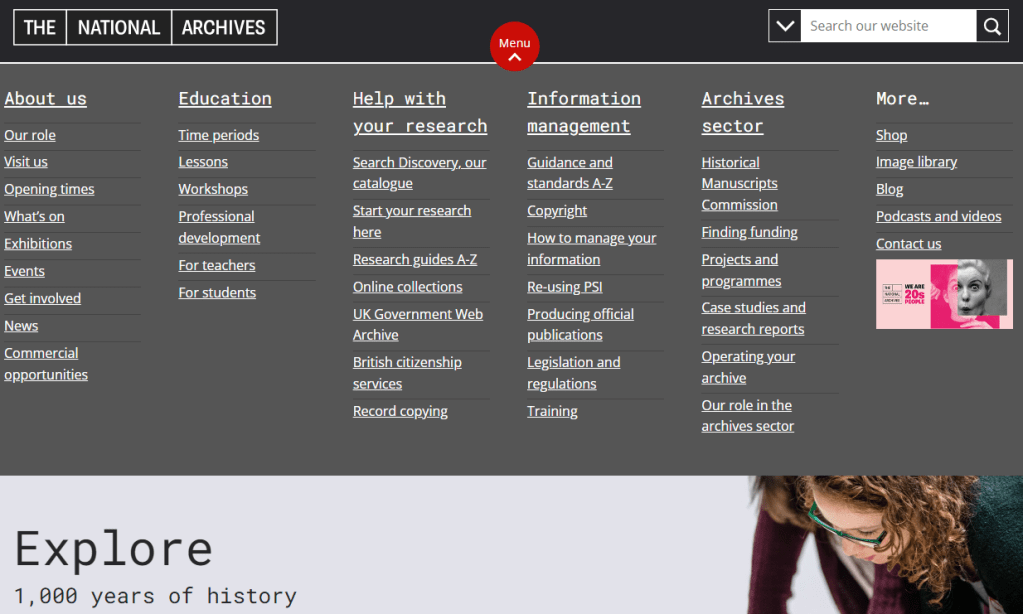
- Extensive Collections: The National Archives houses an extensive collection of documents that span over a thousand years of British history. These records include government papers, legal documents, maps, photographs, and much more. They cover a wide range of topics, from military and political history to social and economic aspects of the nation.
- Access to Government Records: It serves as the official repository for government records in the UK. This means you can find a wealth of information related to government decisions, policies, and actions throughout history. Whether you’re interested in historical legislation, royal decrees, or administrative records, the National Archives is the place to look.
- Census Records: The National Archives holds historical census records, which are crucial for genealogical research. These records are essential for tracking family histories and understanding demographic changes over time.
- Military Records: If you’re researching military history or ancestors who served in the armed forces, the National Archives is a vital resource. It holds military service records, war diaries, and other documents related to the British military.
- Legal Documents: Legal records, including wills, court proceedings, and land deeds, are preserved here. These records can provide insights into property ownership, inheritance, and legal disputes.
- Maps and Charts: The National Archives maintains an extensive collection of maps and charts that are invaluable for historical research, urban planning, and understanding changes in geographical boundaries.
- Online Access: Many of the records held by the National Archives are available for research online through their website. This online portal allows researchers to search for records, view digitized documents, and order copies of records for a fee.
- Reading Rooms: The National Archives provides physical reading rooms for on-site research, where you can access documents that are not available online. Researchers can consult with archivists and experts to navigate the collections effectively.
- Educational Resources: The National Archives offers educational programs, workshops, and exhibitions to engage the public and promote historical understanding.
- Preservation and Conservation: The organization is dedicated to the preservation and conservation of historical documents, ensuring they are protected and accessible for future generations.
The National Archives UK is an invaluable resource. It plays a crucial role in preserving and making accessible the historical records that shape our understanding of the United Kingdom’s rich and diverse history.
When did the National Archives UK begin?
The National Archives UK, originally known as the Public Record Office, has a long and storied history. It officially began its operations in 1838 when it was established by an Act of Parliament. The creation of the Public Record Office marked a significant step in the preservation and accessibility of historical records and documents of the United Kingdom. Over time, it evolved into the National Archives, continuing its mission to safeguard and provide access to a vast collection of historical materials.
I would like to go into more detail about each of the ten topics above that are available to you as a family historian. I am sure if you have a lot of English ancestors to research this could be your go to resource to take advantage of. Hopefully after reading this article you gain some valuable tips and strategies you can use in searches.
Extensive Collections
The National Archives is a treasure trove of historical resources that caters to a diverse range of research interests. Within its extensive collections, you’ll find a wealth of materials that provide invaluable insights into over a thousand years of British history.
- Government Papers: At the core of this repository lies an expansive collection of government records. The National Archives serves as the primary custodian of government papers in the United Kingdom. Within its vaults lie an abundance of documents sourced from various government departments, agencies, and ministries. These papers encompass a broad spectrum of topics, including policies, legislation, reports, and official correspondence, offering an encompassing view of the nation’s governance throughout history.
- Legal Documents: Legal records form an integral part of the archives’ holdings. This category comprises a diverse array of documents such as wills, court records, deeds, and legal contracts. These records shed light on legal matters, property transactions, and significant historical disputes, making them an indispensable resource for researchers interested in the intricacies of property ownership and legal decisions.
- Maps and Charts: The National Archives boasts an extensive cartographic collection that spans centuries. Historical maps and charts are invaluable resources for understanding the evolving geographical landscape of the UK. They provide insights into territorial changes, urban development, and the exploration of new lands.
- Photographs: The archives house a vast repository of photographs documenting British history. These images capture moments in time, from political events to everyday life, offering an essential visual resource for researchers and historians keen on delving into the social, cultural, and political aspects of the UK.
- Military Records: Military enthusiasts and genealogists exploring their family’s military history will find a wealth of information in the National Archives. It houses an extensive collection of military records, including service histories, war diaries, casualty lists, and other documents related to Britain’s military past.
- Social and Economic History: The archives provide a rich tapestry of materials related to social and economic history. This category encompasses records on demographics, trade, industry, and social policies, allowing researchers to explore changing demographics, economic shifts, and the societal impact of various government policies.
- Political History: The National Archives’ holdings include records that shed light on the political evolution of the UK. This comprises minutes of cabinet meetings, royal decrees, and parliamentary proceedings. Researchers can delve into political decisions, debates, and policies that have shaped the nation’s history.
- Personal Histories: While official records often take center stage, the archives also preserve personal histories. These could be in the form of diaries, letters, and personal correspondence from historical figures or ordinary citizens, offering intimate glimpses into the lives and experiences of people in the past.
Whether your interests lie in exploring the intricacies of government, unraveling the social and economic fabric of the nation, or tracing your family’s history, the National Archives’ extensive collections stand as an invaluable window into the rich tapestry of British history. It serves as a vital resource, welcoming researchers and historians from all walks of life to embark on a journey through time and the annals of the United Kingdom’s past.
Government Records
- Historical Legislation: The National Archives houses an extensive collection of historical legislation, including acts of Parliament, bills, and legal statutes dating back centuries. Researchers and legal scholars can trace the evolution of laws and regulations that have shaped the UK’s legal framework over time. This is particularly valuable for understanding the legal foundations of the nation.
- Royal Decrees and Orders: The archives contain records of royal decrees and orders issued by monarchs throughout British history. These documents provide insights into the monarchy’s role in governance, as well as the relationships between the Crown and the government. Researchers can access these documents to explore royal proclamations, charters, and letters patent.
- Administrative Records: Administrative records encompass a broad range of documents related to the day-to-day operations of government departments and agencies. These include memoranda, reports, correspondence, and other administrative materials. Researchers can use these records to gain a deeper understanding of how government institutions functioned and made decisions.
- Public Policy Documents: The National Archives is a goldmine for those interested in public policy. It houses records that detail the development, implementation, and evaluation of government policies. These records can help researchers analyze the reasoning behind policy decisions and their impact on society.
- Foreign Policy and Diplomacy: Diplomatic records, including treaties, agreements, and diplomatic correspondence, are available at the National Archives. These documents shed light on the UK’s international relations, foreign policy decisions, and diplomatic interactions with other nations.
- War and Military Records: The archives are rich in records related to military history, including documents pertaining to the planning and execution of military campaigns, troop deployments, and wartime strategy. These records offer a comprehensive view of the UK’s military engagements.
- Cabinet Papers: The minutes and records of cabinet meetings, which often contain discussions of critical government decisions, are preserved. These documents provide insight into the decision-making processes of the highest levels of government.
- Civil Service Records: Administrative records from the civil service, the backbone of government operations, are also part of the collections. These records include personnel files, departmental correspondence, and reports, allowing researchers to explore the workings of government at a granular level.
- Local Government Records: In addition to national government records, the National Archives holds documents related to local government, including parish records and municipal archives. This is valuable for researchers interested in the development of local governance and community history.
- Historical Inquiries and Investigations: Records related to inquiries, investigations, and commissions of inquiry are available. These documents provide valuable insights into how the government has addressed various issues and challenges over time.
The National Archives’ role as the official repository for government records ensures that a vast array of historical and administrative documents is preserved and accessible to the public. This is an indispensable resource for exploring government decisions, policies, and actions throughout British history.
Census Records
- Historical Census Records: The National Archives of the UK holds a comprehensive collection of historical census records. These records, conducted every ten years since 1801, provide a snapshot of the population at different points in time. The most commonly used censuses for genealogical research in the UK are from 1841 onwards, as they contain more detailed information about individuals.
- Genealogical Research: Census records are a fundamental resource for anyone researching their family history. They contain details about individuals and households, including names, ages, occupations, relationships, birthplaces, and addresses. This information allows genealogists to trace their ancestors, identify family members, and understand their lives.
- Tracking Ancestry: Census records help individuals track their ancestors across multiple decades. By examining census data from various years, researchers can follow their family’s journey, identify when they moved, and explore changes in their circumstances.
- Residential History: Census records often include addresses, which enable researchers to trace the geographical history of their ancestors. This can provide insights into urbanization, migration patterns, and changes in local communities.
- Demographic Changes: The National Archives’ census records are essential for historians and demographers studying demographic changes over time. They offer a wealth of data on population growth, age distributions, urbanization, and occupational trends. Researchers can analyze these records to gain a deeper understanding of the social and economic changes that shaped the UK.
- Social History: Census records go beyond basic demographics. They capture a snapshot of people’s lives, showcasing aspects of their social and economic conditions. Researchers can uncover information about employment, education, housing, and even language spoken, providing a rich context for understanding the daily lives of past generations.
- Local and Regional Research: The National Archives’ census records allow for local and regional research. Researchers can focus on specific areas or communities to explore local history, social structures, and economic activities.
- Access to Original Records: The National Archives provides access to the original census records, allowing researchers to view the handwritten entries made by enumerators. This provides a direct connection to the past and can be particularly rewarding for genealogists.
- Researching Specific Time Periods: Researchers can use census records to investigate specific time periods, such as during times of war, industrialization, or economic hardship. This enables them to explore the impact of historical events on the lives of individuals and families.
- Online Access: While the original records are preserved at the National Archives, digital copies and transcriptions of census records are available online. This makes it convenient for researchers to access and search for information from the comfort of their own homes.
Census records held by the National Archives are indispensable for genealogical research and understanding the evolving demographics and social history of the United Kingdom. These records are a gateway to the past, offering a wealth of information about our ancestors and the societies they lived in.
Military History and Ancestors Who Served in the British Armed Forces:
- Military Service Records: The National Archives is home to a vast collection of military service records. These records provide detailed information about individuals who served in the British military, making it an essential resource for genealogists and historians. The records cover various branches of the armed forces, including the Army, Navy, Air Force, and Marines.
- Genealogical Research: Military service records are invaluable for genealogical research. They include information such as the individual’s name, birthplace, enlistment date, service number, unit or regiment, and often details about their military career, promotions, and conduct.
- Tracing Ancestors: For individuals looking to trace their military ancestors, the National Archives offers a wealth of resources. Researchers can locate records of their ancestors’ service, learn about their military careers, and uncover details about any awards or medals they received.
- War Diaries: The National Archives holds war diaries that provide a day-to-day account of military operations during various conflicts, including World War I and World War II. These diaries offer insights into the activities and challenges faced by military units and are an invaluable resource for understanding the context of an ancestor’s service.
- Medals and Awards: Researchers can access information about military medals and awards granted to servicemen and women. This includes details about the award, the circumstances of its presentation, and the associated records.
- Personnel Records: Personnel records can reveal personal information about individuals who served in the military, such as their height, physical description, marital status, and next of kin. These records offer a comprehensive view of a service member’s life.
- Casualty and Medical Records: The National Archives houses casualty and medical records that detail injuries, illnesses, and medical treatment received by service personnel. These records are vital for understanding the health and well-being of military ancestors.
- Prisoner of War Records: Researchers can access records related to prisoners of war, including details about capture, internment, and repatriation. These records shed light on the experiences of soldiers during wartime.
- Operational Records: For those interested in the operational aspects of military history, the National Archives provides access to a wide range of operational records, including orders, maps, and operational plans.
- Online Access: Many of the military records held by the National Archives are available online, making it convenient for researchers to access and search for information from anywhere in the world. These online resources have opened up military history research to a global audience.
The extensive collection of military records, including service records, war diaries, medals, and awards, provides a comprehensive view of military personnel and their experiences. These records offer a unique window into the lives of those who served their country.
Legal Documents
- Wills and Probate Records: The National Archives holds a significant collection of wills and probate records. Wills are legal documents in which individuals detail how their property and assets should be distributed after their death. These records are a treasure trove for genealogists and those interested in family history, as they often list heirs, beneficiaries, and assets.
- Property Ownership Records: Land deeds and property records are essential for understanding the history of land ownership and property transactions. Researchers can trace the history of specific properties or pieces of land, learning about previous owners and any legal agreements or encumbrances related to the property.
- Inheritance and Heirship: Legal documents often contain information about inheritance, including the distribution of assets among heirs. These records can provide insights into family structures, relationships, and the transfer of wealth from one generation to the next.
- Legal Disputes and Litigation: Court proceedings and legal records document various legal disputes and litigation cases. These can range from property disputes to personal grievances, and they offer a window into the legal system’s functioning and the resolution of conflicts in the past.
- Deeds of Sale: Deeds of sale or conveyance documents record the transfer of property ownership from one party to another. These documents can provide information on the sale price, the description of the property, and the parties involved in the transaction.
- Mortgages and Liens: Legal documents also include records of mortgages and liens on properties. These documents detail financial agreements and encumbrances related to properties, shedding light on economic aspects of the past.
- Bound Volumes and Manuscripts: The National Archives houses a wide range of bound volumes, manuscripts, and official records, which are particularly valuable for researchers interested in specific legal cases, historical legal practices, or the evolution of the legal system.
- Local and Regional Legal Records: Researchers can explore legal documents specific to local and regional jurisdictions, enabling a closer examination of legal practices and cases within particular areas of the UK.
- Estate Papers: Estate papers often contain a comprehensive view of an individual’s assets, liabilities, and financial affairs. These records are essential for understanding the financial status of an individual at a given point in time.
- Access to Original Documents: Researchers have the opportunity to access the original legal documents, allowing for an intimate connection with the past through handwritten agreements, court transcripts, and other records.
The legal documents preserved at the National Archives are a vital resource for researchers interested in property ownership, inheritance, and legal disputes. These records offer valuable insights into the legal, financial, and social aspects of the past, allowing individuals to trace the history of properties, understand family dynamics, and explore the resolution of legal conflicts.
Maps and Charts
Their significance for historical research, urban planning, and understanding changes in geographical boundaries:
- Historical Maps: The National Archives houses a wide variety of historical maps dating back centuries. These maps are a valuable resource for understanding the changing landscape of the United Kingdom and other regions. They often include topographical details, such as land use, settlements, and transportation routes.
- Urban Development: Researchers interested in urban planning and the development of cities and towns can utilize historical maps to track the growth and evolution of urban areas. These maps offer insights into the expansion of cities, changes in infrastructure, and the development of neighborhoods.
- Boundary Changes: Maps in the National Archives help document shifts in geographical boundaries, including changes in administrative divisions, counties, parishes, and local government boundaries over time. This information is critical for understanding the evolving political and administrative landscape.
- Land Use and Ownership: Historical maps often include details about land use, property boundaries, and ownership. Researchers can trace the history of specific properties and the ownership of land over generations.
- Transportation and Infrastructure: Maps and charts provide information about transportation networks, including roads, railways, canals, and ports. This data is valuable for tracking the development of transportation infrastructure and its impact on the movement of people and goods.
- Military and Strategic Maps: The National Archives holds military and strategic maps that offer insights into battle plans, fortifications, and military campaigns. These maps are crucial for military historians and those interested in conflicts and wars.
- Environmental and Natural Features: Maps often include information about environmental features, such as rivers, mountains, and natural landmarks. They provide a context for understanding how the environment has influenced settlement patterns and development.
- Charting Exploration and Expeditions: Historical maps document the exploration and expeditions undertaken by explorers and adventurers. These maps provide a record of discoveries, routes, and geographical knowledge from different time periods.
- Maritime and Nautical Charts: For those interested in maritime history, the National Archives holds a collection of nautical charts that detail coastlines, sea routes, and navigational information. These are valuable for understanding maritime exploration and trade routes.
- Comparative and Overlay Analysis: Researchers can overlay historical maps with modern data to perform comparative analysis. This allows for a better understanding of how landscapes have changed and how past decisions have influenced the present.
- Cultural and Historical Context: Maps offer cultural and historical context, showing the locations of historical landmarks, heritage sites, and historical events. They provide a visual representation of the past.
The collection of maps and charts is a rich source of information for a wide range of researchers. Whether you are an urban planner, historian, geographer, environmental scientist, or simply interested in the history and geography of a region, these maps provide a unique perspective on the past and its influence on the present.
Online Access to Records
- Digital Records: The National Archives has made significant efforts to digitize a substantial portion of their extensive collection. This digitization process allows researchers to access records and documents in digital format, making it much more convenient for those who cannot visit the physical archives in person.
- Searchable Databases: The National Archives’ website provides access to various searchable databases. These databases are designed to help researchers efficiently locate specific records by allowing them to input relevant keywords, names, dates, or other search criteria. This saves time and effort in the research process.
- Viewing Digitized Documents: Researchers can view digitized documents directly through the National Archives’ website. This means you can access and examine historical records, manuscripts, photographs, and maps from the comfort of your own home. The digital copies often retain the detail and quality of the original documents.
- Remote Research: Online access expands the reach of the National Archives to a global audience. Researchers from around the world can explore British history and access records without the need for physical travel, making it more inclusive and accessible.
- Ordering Copies: The website offers options for ordering copies of records for a fee. If you find a record of interest, you can request a copy to be sent to you. This service is particularly valuable for genealogists, researchers, and historians who want to have physical copies of important documents.
- Convenient Access: The convenience of online access allows individuals to fit their research into their own schedules. It eliminates the need to travel to physical archives and spend time searching through physical documents, making the research process more efficient.
- Researcher Support: The National Archives’ website often provides guidance, tutorials, and research tips to help users make the most of their online access. This support can be valuable, especially for those new to archival research.
- Educational Resources: In addition to records, the website may offer educational resources, articles, and guides related to historical research and the use of the archives’ collections. This can assist researchers in understanding how to navigate and make the most of the available resources.
- Subscription Services: While many records are freely accessible, the website may also offer subscription services that provide additional features and records. Researchers can choose the level of access that suits their needs and budget.
- Continuous Updates: The National Archives continually updates its online offerings with new records and documents. Researchers can return to the website regularly to explore new additions and expand their research.
Online access is a valuable resource for researchers interested in British history, genealogy, and various other fields of study. It offers the convenience of remote access to a wide range of records and documents, making historical research more accessible and efficient for a global audience.
Physical Reading Rooms
The valuable resources they offer to on-site researchers:
- Access to Original Documents: The physical reading rooms at the National Archives provide researchers with access to the original, physical documents that are not available online. This access is critical for those who need to consult primary source materials and view historical records in their original form.
- Wide Range of Materials: The reading rooms house a vast collection of records, including historical documents, manuscripts, maps, photographs, and other original materials. This collection covers a diverse range of topics, periods, and subjects, making it an essential resource for historians, scholars, and genealogists.
- Expert Assistance: The National Archives employs archivists, librarians, and subject-matter experts who are available to assist researchers. These experts can help researchers navigate the collections, locate specific documents, and provide guidance on research strategies.
- In-Depth Research: For complex research projects that require in-depth analysis, the reading rooms offer a controlled and quiet environment where researchers can concentrate on their work. This setting is particularly beneficial for scholars engaged in extensive research endeavors.
- Collaborative Environment: The reading rooms provide a space for collaboration and networking. Researchers often share insights, tips, and information with one another, fostering a sense of community among individuals with shared research interests.
- Accessibility to Fragile Materials: Some historical documents are fragile and require careful handling. The reading rooms are equipped with the necessary facilities and procedures to ensure the preservation of delicate materials while allowing researchers to access them.
- Digitization Requests: While many records are available online, not all have been digitized. For documents that are not available digitally, researchers in the reading rooms can request digitization of specific materials to facilitate their research.
- Learning Opportunities: The reading rooms often host workshops, seminars, and training sessions for researchers. These educational opportunities can help individuals gain a better understanding of archival research practices and how to maximize their use of the archives’ resources.
- Reference Materials: In addition to the original documents, the reading rooms are typically stocked with reference materials, such as finding aids, catalogues, and reference books. These resources can help researchers locate relevant records and navigate the collections effectively.
- Enhanced Security: The National Archives takes security seriously, ensuring the protection of historical documents. Researchers can feel confident that their access to and interaction with these invaluable materials occur under controlled and secure conditions.
Reading rooms play a pivotal role in supporting on-site researchers. They offer direct access to original documents and provide the expertise and resources necessary for conducting in-depth research. Whether you are an academic researcher, historian, genealogist, or simply interested in exploring primary source materials, the reading rooms offer a unique opportunity to engage with history in its most authentic form.
Unfortunately, I don’t have that luxury at this time though if the resources were available for me to do that I would definitely do a six month family research trip.
Educational Resources
To engage the public and promote historical understanding:
- Educational Programs: The National Archives designs and hosts a wide range of educational programs aimed at various audiences, including students, teachers, researchers, and the general public. These programs are designed to make history come alive and provide valuable learning experiences.
- Workshops and Seminars: Workshops and seminars cover a variety of historical topics and research techniques. They often feature expert speakers and instructors who share their knowledge and expertise with participants. These events provide opportunities for skill-building and in-depth exploration of historical subjects.
- Exhibitions: The National Archives frequently organizes exhibitions that showcase highlights from their collections. These exhibitions offer a visual and immersive way for the public to engage with historical documents and artifacts. They often feature thematic displays related to significant events, individuals, or aspects of British history.
- Family and School Programs: The National Archives provides tailored programs for families and schools. These programs are designed to make history accessible and engaging for young learners. They often involve interactive activities, tours, and hands-on experiences.
- Online Resources: In addition to physical programs and exhibitions, the National Archives offers a wealth of educational resources online. These include articles, videos, podcasts, and interactive learning materials that cater to a diverse audience interested in British history and archival research.
- Outreach and Community Engagement: The National Archives often engages with local communities and partners with schools, libraries, and cultural organizations to bring history to a broader audience. Outreach efforts include lectures, history festivals, and collaborative projects.
- Digital Learning Tools: The National Archives has developed various digital learning tools and platforms. These tools aim to help students and educators access historical materials, conduct research, and build historical skills. They may include online databases, interactive timelines, and educational apps.
- Teacher Training: Recognizing the importance of educators in promoting historical understanding, the National Archives offers teacher training programs. These programs equip teachers with the skills and resources to integrate primary sources and historical materials into their curricula.
- Archival Skills Training: The National Archives offers training in archival research and preservation. This is particularly valuable for researchers, historians, and anyone interested in working with historical documents.
- Special Events: The National Archives hosts special events, such as open days, historical reenactments, and commemorations of important historical anniversaries. These events serve to engage the public and make history relevant and exciting.
- Publications and Resources: The National Archives produces a range of publications, including books, guides, and research aids that assist researchers in navigating historical records and conducting effective research.
The National Archives is dedicated to making historical understanding accessible and engaging. Their educational resources, programs, and exhibitions not only provide valuable learning opportunities but also foster a deeper connection with the past. Whether you are a student, educator, researcher, or a history enthusiast, these initiatives help promote a richer understanding of British history and the significance of archival materials in that exploration.
Preservation and Conservation of Historical Documents
Their efforts to ensure these materials are protected and accessible for future generations:
- Preservation Techniques: The National Archives employs a range of preservation techniques to safeguard historical documents. This includes climate-controlled storage facilities to maintain proper temperature and humidity levels that prevent deterioration. Additionally, they use archival-quality materials for storing and handling documents.
- Document Restoration: The organization has a team of skilled conservators who are trained in document restoration. They work to repair and restore documents that have been damaged or are in a state of disrepair. This involves careful cleaning, repair of tears, and the removal of harmful substances.
- Digitization: To ensure long-term accessibility, the National Archives invests in digitization efforts. Digitized copies of historical records and documents are created, which not only provide greater accessibility but also reduce the handling of original materials, preserving them for the future.
- Storage and Handling Protocols: The National Archives has established strict protocols for the storage and handling of historical documents. This includes the use of acid-free folders, protective enclosures, and careful cataloging to prevent damage.
- Environmental Control: Maintaining a stable and controlled environment is essential for preserving historical records. The organization utilizes advanced environmental control systems to minimize the impact of factors like temperature fluctuations, humidity, and light exposure.
- Document Repairs: The National Archives routinely inspects documents and undertakes necessary repairs to prevent further deterioration. This involves addressing issues like weakened paper, fading ink, and other types of damage.
- Emergency Preparedness: The organization has plans in place to respond to emergencies such as fires, floods, or natural disasters that could threaten the archives. These plans include measures to protect and evacuate historical documents when necessary.
- Preventive Conservation: In addition to restoration, preventive conservation measures are implemented. This includes routine inspections, pest control, and the mitigation of potential threats to the collections.
- Access Controls: While ensuring accessibility is a priority, access to certain sensitive or fragile materials is carefully controlled to prevent damage. Researchers and visitors may need to adhere to specific guidelines when handling documents.
- Public Awareness: The National Archives also plays a role in raising public awareness about the importance of document preservation. They educate researchers and the general public on the need for responsible document handling and care.
- Long-Term Planning: Preservation and conservation at the National Archives are not limited to short-term efforts. Long-term planning is essential to ensure that historical documents remain in good condition for future generations.
- International Best Practices: The organization follows international best practices in preservation and conservation, working in alignment with global standards to ensure the long-term survival of the collections.
The National Archives is committed to the preservation and conservation of historical documents, recognizing the importance of these materials as a priceless resource for understanding the past. Through their careful stewardship and dedication to best practices in archival preservation, they ensure that historical records remain protected and accessible for future generations of researchers, historians, and the public.
Learning, Podcasts, Audio and Video Resources Available
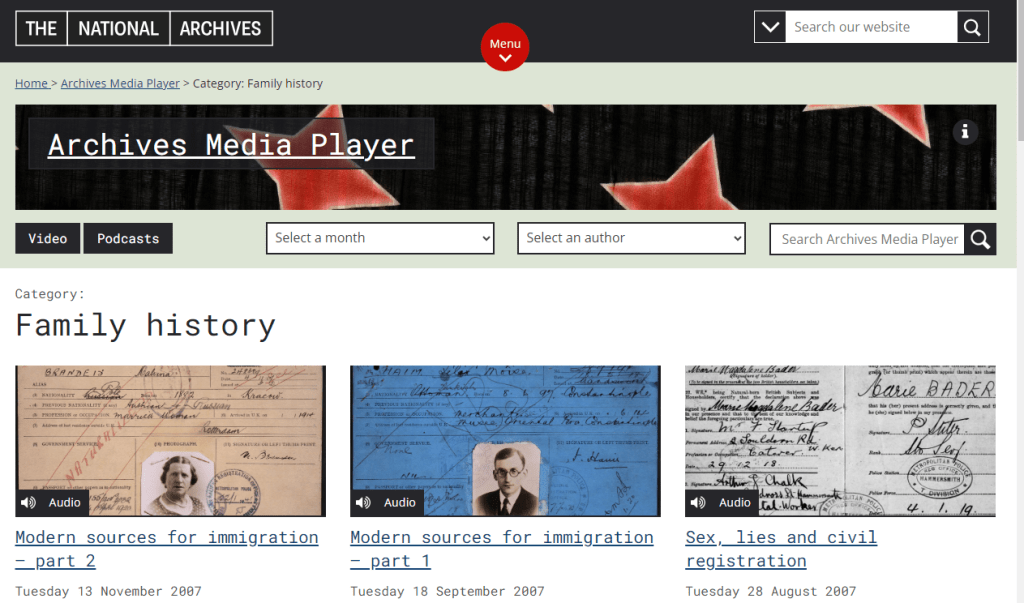
The National Archives UK is a renowned institution dedicated to preserving and providing access to a vast collection of historical records, documents, and materials that span over a thousand years of British history. In addition to traditional research resources, the National Archives offers a wealth of learning opportunities, including podcasts, audio, and video resources, to engage and educate the public. Here’s more about this aspect:
Learning Resources:
- Educational Programs: The National Archives UK designs and hosts a variety of educational programs to cater to different audiences, including students, teachers, researchers, and history enthusiasts. These programs often include workshops, seminars, and events that focus on historical subjects and research techniques.
- Workshops and Training: Workshops and training sessions are organized to provide participants with in-depth knowledge and practical skills related to archival research, historical methodologies, and record interpretation.
- Online Learning: The National Archives’ website serves as a hub for online learning resources. It features articles, videos, interactive tools, and digital exhibitions that allow individuals to explore and learn about British history, archival research, and specific historical topics.
Podcasts:
- Archival Sound Recording: The National Archives maintains an archive of audio recordings, which can be a treasure trove for researchers and history enthusiasts. These recordings include oral history interviews, speeches, and discussions related to various historical events and figures.
- Podcast Series: The National Archives produces a range of podcast series that delve into different aspects of history. These podcasts are engaging and informative, covering topics such as wartime experiences, famous historical figures, and significant events in British history.
- Expert Insights: Podcasts often feature experts, archivists, and historians who provide valuable insights into the historical significance of specific documents, records, and events. These discussions help listeners gain a deeper understanding of the context and impact of historical materials.
Audio and Video Resources:
- Archival Footage: The National Archives houses an extensive collection of historical photographs, films, and videos. These materials capture moments in time, from political events to everyday life, offering visual insights into the past.
- Online Exhibitions: The National Archives frequently creates online exhibitions that incorporate audio and video elements. These exhibitions provide a multimedia experience, allowing visitors to explore historical records, photographs, and documents in a dynamic and interactive way.
- Oral History Interviews: Audio and video resources include oral history interviews with individuals who have lived through significant historical events. These interviews serve as a valuable record of personal experiences and perspectives.
- Documentaries and Presentations: The National Archives collaborates with filmmakers and historians to produce documentaries and presentations that bring history to life. These audio and video resources provide in-depth explorations of specific historical topics and events.
- Online Access: Many of these audio and video resources are accessible through the National Archives’ website, providing a convenient platform for researchers, students, and the general public to access and engage with these materials from anywhere in the world.
In summary, the National Archives UK offers a rich array of learning opportunities through educational programs, podcasts, audio, and video resources. These resources are not only informative but also engaging, making history accessible and exciting for a diverse audience. Whether you are a student, teacher, researcher, or history enthusiast, the National Archives provides a gateway to exploring the past in a multimedia and interactive way.
What You Will Gain From The National Archives
New genealogists and family historians stand to gain a wealth of invaluable resources and support from the National Archives UK:
- Access to Historical Records: The National Archives houses a vast collection of historical records, including census data, military service records, wills, and much more. New genealogists will find a treasure trove of primary source materials to trace their family histories and uncover ancestral connections.
- Expert Assistance: The National Archives employs archivists and genealogy experts who can assist beginners in navigating the archives’ collections. They can provide guidance on research techniques, record searches, and deciphering historical documents.
- Educational Programs: The National Archives offers educational programs and workshops tailored to genealogy and family history research. New genealogists can learn essential research skills and historical context through these programs.
- Online Resources: The National Archives provides digital access to a wide range of historical records and research tools. New genealogists can use the online databases and search functions to explore records and documents from their own computers.
- Archival Skills Training: The National Archives offers training in archival research and preservation techniques. This training is particularly valuable for new genealogists who want to understand how to handle historical documents and perform effective research.
- Learning Opportunities: Whether through on-site visits or online resources, the National Archives provides an array of learning opportunities. New genealogists can explore guides, tutorials, articles, and digital exhibitions to enhance their understanding of historical research.
- Supportive Community: Engaging with the National Archives also connects new genealogists with a community of like-minded researchers. Sharing experiences, tips, and insights with fellow genealogists can be motivating and enlightening.
- Archival Preservation: New genealogists can learn about the importance of preserving family records and documents, gaining an appreciation for the long-term value of their own family history materials.
- Historical Context: The National Archives helps new genealogists place their family histories in a broader historical context. Understanding the social, economic, and political conditions of different eras can enrich the narrative of their family histories.
- Online and On-Site Access: The National Archives caters to both online researchers and those who wish to visit in person. New genealogists can choose the method that best suits their research needs and preferences.
- Cultural and Regional Insights: The National Archives’ diverse collections encompass materials from various regions and communities. New genealogists can gain insights into their family’s cultural and regional heritage.
- Legal and Administrative Records: Understanding the legal and administrative records preserved by the National Archives can help new genealogists uncover details about their ancestors’ lives, including property ownership, occupations, and legal matters.
In summary, new genealogists and family historians will find a valuable partner in the National Archives. The resources, support, and educational opportunities offered by the National Archives empower individuals to embark on a fulfilling journey of discovery, connecting with their family’s past and gaining a deeper appreciation for the historical context in which their ancestors lived.
Two highly recommended and informational podcasts from the National Archives you should listen to are:
- Introduction to birth, marriages and death registers in England and Wales (11 min 33 sec) https://media.nationalarchives.gov.uk/index.php/introduction-to-birth-marriages-and-death-registers-in-england-and-wales/
- Introduction to the census (16 min 4 sec) https://media.nationalarchives.gov.uk/index.php/introduction-to-the-census/
Some Future Resources to Explore (My 4th Great Grandfather)
Online Parish Clerks (OPC) for Sussex:
The Sussex Online Parish Clerks (OPC) project is a valuable resource for genealogical research, particularly if you have ancestors from Sussex, England. This project involves volunteers who transcribe and provide access to parish records, making it easier to research your family history. You can find the Sussex OPC website by performing a web search or by visiting the website of the Sussex Family History Group, which often has links to the OPC project.
The access to records through the Sussex OPC project is typically free. Volunteers contribute their time and effort to make these records available to the public without charge. This is a common practice in genealogy, where passionate individuals volunteer to transcribe, index, and share historical records to assist fellow researchers in their quest to uncover their family’s past. While access to the transcriptions and indexes is generally free, some websites may offer advanced features or services for a fee, so it’s a good idea to explore the specific website for more details on their offerings.

The Sussex Family History Group
It is a valuable resource for anyone researching their family history with connections to Sussex, England. Here’s more about what you can find on their website:
- Local Expertise: The Sussex Family History Group consists of experts and enthusiasts with in-depth knowledge of Sussex genealogy. Their expertise in local history and records can be invaluable for those seeking to trace their Sussex ancestors.
- Resources and Databases: The group’s website typically provides access to various resources and databases specific to Sussex genealogy. These may include transcribed records, indexes, and directories related to Sussex parishes, cemeteries, and more.
- Research Guides: The website often offers research guides and articles that provide guidance on how to conduct genealogical research in Sussex. These guides may cover topics such as using parish registers, census records, and wills.
- Events and Workshops: Many family history groups, including the Sussex Family History Group, host events and workshops. These can be an excellent opportunity to learn from experts, connect with fellow genealogists, and enhance your research skills.
- Publications: The group may publish newsletters, journals, or books with articles and case studies related to Sussex genealogy. These publications can provide insights and research tips.
- Collaboration and Support: Family history groups often foster a sense of community among researchers. You can connect with others who share your interests, exchange information, and seek assistance with your research.
- Links to Other Resources: The Sussex Family History Group’s website may include links to other valuable resources for Sussex genealogy, such as local archives, libraries, and online databases.
- Membership Information: If you find the group’s resources and support valuable, they may offer information about membership. Joining the group can provide access to additional benefits and a network of fellow genealogists.
The Sussex Family History Group’s website is a hub for those interested in exploring their Sussex roots. It’s a place to access records, gain knowledge, and connect with a community of researchers who share your passion for uncovering the history of Sussex and its inhabitants. It’s an excellent starting point for anyone delving into Sussex genealogy.
In conclusion, tracing the roots of your English ancestors is a journey that can be both enriching and enlightening. As we’ve explored in this article, a variety of resources are available to aid you in this rewarding pursuit.
These tools and resources are something I will use today in helping me uncover more family genealogical gems about my ancestors.
From the comprehensive genealogy websites like Ancestry and Findmypast to the invaluable databases and transcriptions provided by volunteers through the Sussex Online Parish Clerks (OPC) project, a wealth of historical records awaits your exploration. The free access to civil registration records offered by FreeBMD and the educational programs and workshops provided by the National Archives UK and the Sussex Family History Group add depth and context to your research.
Whether you’re just beginning your genealogical journey or you’re a seasoned family historian, these resources cater to a wide range of expertise and interests. Through their assistance, you can uncover the stories of your English ancestors, connect with your roots, and gain a deeper appreciation for the rich tapestry of history that underpins your family’s heritage.
Remember, the journey may be filled with unexpected twists and turns, but with each discovery, you’re one step closer to unveiling the lives and experiences of those who came before you. Happy researching!
 Discovering Your Past
One thought on “Unveiling My History with The National Archives”